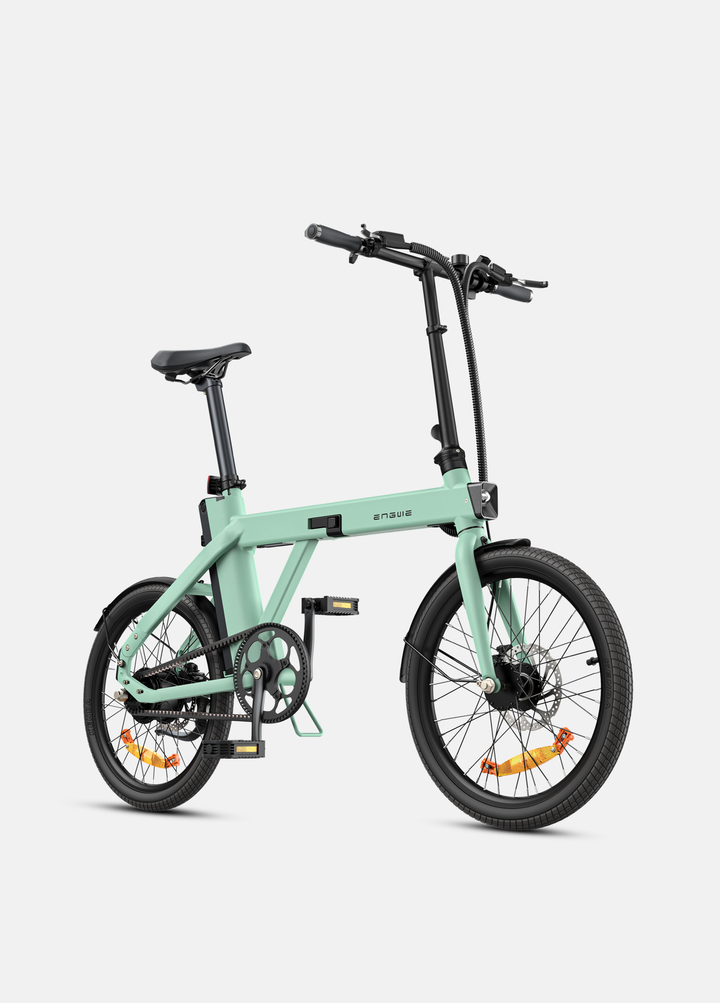
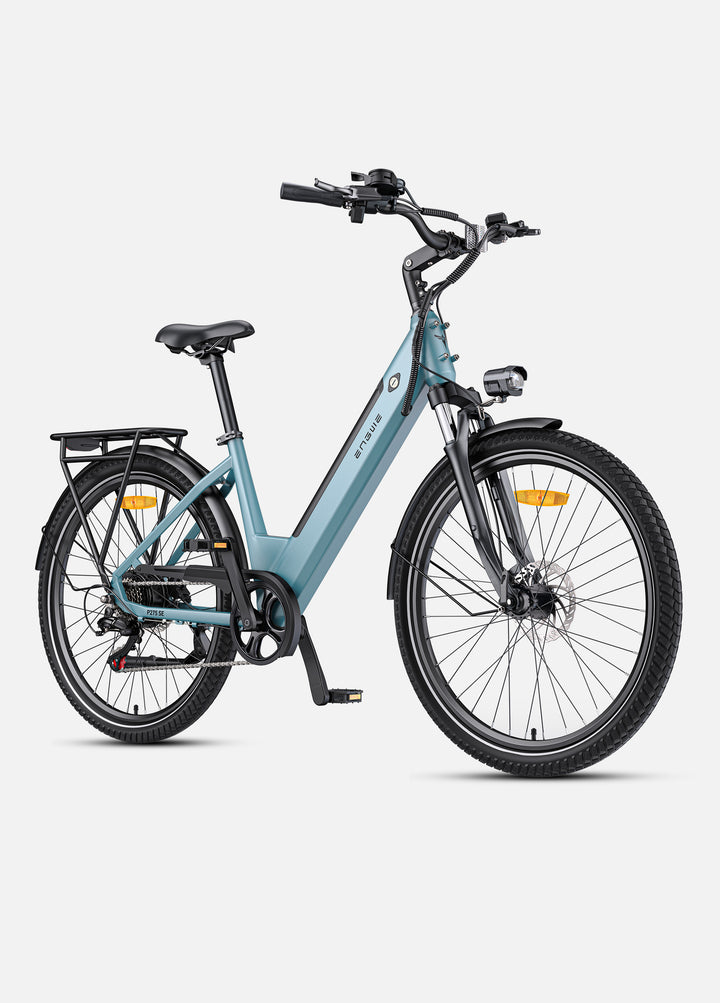
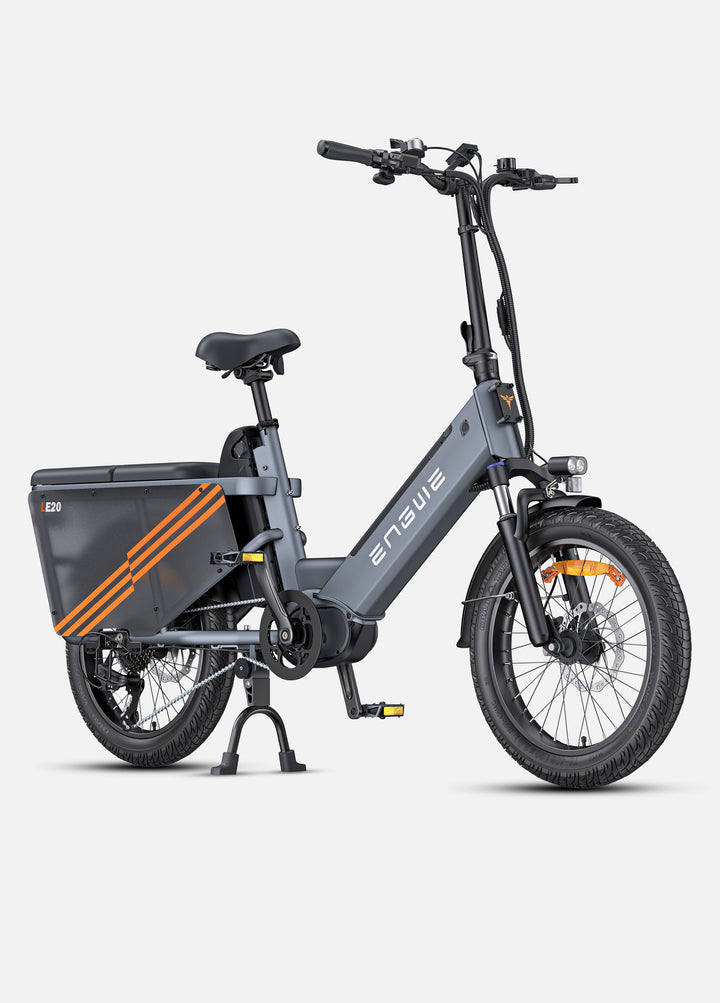
A Class 1 electric bike is becoming quite prevalent in most urban areas. It is not serious, quick, and good in short and long rides. However, there is no way you can go on the road with your e-bike without being aware of your local rules. There are various laws on where to ride your bike and how to ride your bike.
Local rules refer to the laws that govern the use of e-bikes in your local city or state. In certain cities, you can ride on the bike lanes, whereas in others, it is not possible. There are those who require helmets and those who do not. That is why it is necessary to make sure that your area has no laws that may forbid you from riding your e-bike.
What Is a Class 1 Electric Bike?
The Class 1 electric bike definition is simple. It’s an electric bike that helps you only when you pedal. The motor stops helping when you reach 20 miles per hour. That means you have to pedal to make it move faster. It’s not like a scooter or a bike with a throttle.
In short, what is a Class 1 ebike? It’s a normal pedal bike but with an electric motor that gives you a small push when you pedal. The Class 1 ebike definition says it helps you climb hills easily without getting too tired. It’s a legal and safe option in most cities.
The Difference Between Class 1, 2, and 3 Electric Bikes
Many riders get confused about Class 1 2 3 electric bikes. Here’s how they differ in easy words:
-
Class 1: Pedal assist only. Stops helping at 20 mph.
-
Class 2: Has a throttle and pedal assist. The throttle lets you ride without pedaling.
-
Class 3: Pedal assist up to 28 mph and may need a helmet or registration.
So, when you compare a Class 1 vs Class 2 electric bike, the main difference is the throttle. And when you look at Class 1 vs Class 3 electric bike, the difference is in speed and safety gear. Always check which one fits your local law before you buy.

Why Checking Local Laws Matters
Checking local laws also helps you understand where your e-bike fits best—on roads, bike lanes, or parks. It keeps your rides stress-free and fully legal.
Rules Can Change by State or City
The laws of e-bikes in all countries, or even cities, are different. Indicatively, in most of the EU countries, Class 1 bikes can be used on the roads but not on the walking paths. E-bikes are permitted in the bike trails of some states and limited in others in the U.S.
There are a few cities that have speed limits or e-bike lanes. Consult the local transport site or your city office before you get on a bike. This will assist you in future escapades through fines and misunderstandings.
Safety and Legal Benefits
Misunderstanding the law compromises your and others' safety. Adherence to the rules is the way to prevent accidents and fines from the police. With a road legal e-bike, you can ride without fear.
A lot of nations, EU countries included, demand the use of helmets, lights, and functional brakes. Your ride is safe and legal when you follow all these rules. Always remember that a safe rider mans his or her gear before going out

How to Check Local Laws for Your Class 1 Ebike
There are simple ways to check the laws for your Class 1 ebike in your area.
Visit State Department Websites
Go to your state transport or DMV website. Look for pages that say “Electric Bike Rules” or “E-Bike Regulations.” You’ll find details about speed limits, where you can ride, and helmet needs. Always check the latest updates before you ride.
Check Local Law Limits When Buying
You can check the e-bike store, especially ones that sell ENGWE electric bikes. The staff there usually know the latest e-bike laws in your city. You can also call your nearby police station and ask where class 1 bikes are allowed.
Use Online Maps or Forums
Many online groups talk about Class 1 ebikes and share updated riding areas. Search your city name plus “e-bike map” or “riding forum.” You can learn from other riders about places that allow or ban e-bikes.

Understanding the Limits and Permissions
You should always know what your Class 1 electric bike can and cannot do legally.
Where You Can Ride a Class 1 Electric Bike
You can ride most Class 1 electric bikes on normal roads, bike paths, and some parks. But you cannot ride on sidewalks or hiking trails in many cities. In some EU countries, parks only allow low-speed e-bikes. Check your local guide before riding in public places.
Age, Helmet, and Speed Rules
Some areas have age limits for e-bike riders. For example, riders under 16 might not be allowed on busy roads. Helmets are required in many cities for safety. The best Class 1 electric bikes and best Class 1 ebikes usually come with safety features like lights and reflectors to help follow these rules easily.

Comparing Class 1 E-Bikes with Other Types
Understanding other classes helps you choose the right one.
Class 1 vs Class 2 Electric Bike
A Class 1 bike only works when you pedal. A Class 2 bike has a throttle, so you can move without pedaling. If your city bans throttle use, then a class 1 model is better for you.
Class 1 vs Class 3 Electric Bike
A Class 3 electric bike goes faster, up to 28 mph. Some cities ask for helmets or registration for these. A Class 1 electric bike is slower but allowed in more public areas. It’s often the safest choice for beginners and daily riders.

The Best Class 1 Electric Bikes
If you are looking for the best Class 1 electric bikes, here are some top picks. These models are legal in most EU and US cities and follow Class 1 ebike rules.
ENGWE P275 SE – City Smart Ride
This ENGWE P275SE electric bike comes with a 250W EU-compliant motor and a smooth torque sensor. It reacts fast to your pedaling, giving a very natural ride feel. You can go up to 100km on a single charge. The LCD screen shows speed and distance. It’s legal for roads in the EU and safe for daily use.
-
Pros: Long range, smooth torque response, stylish look.
- Cons: Slightly heavy for beginners.

ENGWE P275 ST – Urban Comfort Power
The ENGWE P275 ST is a top ENGWE ebike made for comfort. It has a 250W mid-drive motor with 70Nm torque that makes city rides easy. The 260km range helps you go long distances without worry. The step-through frame and air seatpost make it easy to ride and get off. Fully street-legal in Europe.
-
Pros: Long range, step-through frame, smooth mid-drive motor.
- Cons: High price for casual riders.

Trek Verve+ – Hybrid Power Comfort
Verve + hybrid electric road bike puts you in complete control and comfort. Having a mid-drive motor and 75Nm of torque, it is easy to drive up the hills or take groceries. It is safe, has good brakes, and a solid frame. It would be a good idea to have a road-legal and fun vehicle.
-
Pros: Great balance, easy control, long battery life.
- Cons: Price is higher than entry-level bikes.

Himiway A7 Commuter eBike
The Himiway A7 is a commuter ebike built for both comfort and power. It has a 750W motor but can switch to class 1 mode to follow city rules. Its full suspension and hydraulic brakes make it safe for bumpy roads. The bike is street legal and comes with strong front and rear lights.
-
Pros: Very comfortable, full suspension, smooth performance.
- Cons: Heavy frame.

How to Stay Compliant with Local Laws
It's important to stay compliant with local laws, as it saves every rider from fines.
Keep Proof of Purchase and Manual
Keep your e-bike receipt and manual with you. This helps show the model and motor type if police or officers ask. It proves your bike is truly a Class 1 electric bike.
Check for Updates Yearly
Laws change often. Traffic regulations can be revised: speed control regulations or bike lane regulations, or helmet regulations. It is important to update the local site every 6-12 months. This will ensure you do not pay fines and make sure your riding is safe and legal.
Want the Best Electric Bikes?
Check out the best Class 1 electric bikes from ENGWE and other top brands today. Make sure your e-bike follows your city’s rules so you can ride freely and safely. Start your next ride with a road-ready Class electric bike that matches your lifestyle and keeps you within the law.
Conclusion
Never ride without first consulting your local e-bike laws. Being aware of your state or city regulations will keep you safe, out of trouble, and allow you to have a great time on your trip. A Class 1 electric bike is very comfortable, fast, and safe to ride within the boundaries.
To have a secure and comfortable ride, it is better to select the proven brands such as ENGWE ebike. They have powerful motors, longer distances, and vehicles that can be used on the city roads.
Frequently Asked Questions
What is a class 1 electric bike?
An electric bike of the class 1 type employs pedal assist and ceases to do so after 20mph.
Can you ride a Class 1 electric bike on the road?
Yes, most roads allow it if your city’s laws approve it.
Can I ride an electric bike on the road?
Yes, so long as your bike is marked as being road-legal and is not in violation of local regulations.
Can you ride an electric dirt bike on the road?
Some cities allow it, but may need a special permit. Always check first.
What are Class 1 2 and 3 electric bikes?
They are types of bikes with respect to speed and the type of motor. Classes 1, 2 and 3 have pedal assist, throttle, and high-speed, respectively.