There is no question about it: mountain biking is the most exhilarating type of biking. The excitement of going down the mountain trails, overcoming the rocks, and riding the rollers is pure adrenaline, but it is also an activity that demands talent, thorough planning, and high-quality gear.
In case you are a total beginner and desire to improve your skills, this piece is meant for you. Besides bikes, you will be introduced to the necessary gear, riding skills, safety checks, and the best downhill mountain bike for trail riding.
Step 1: Get Acquainted with a Downhill Mountain Bike
First and foremost, before discussing what a downhill mountain bike is composed of, it is crucial to understand what the bike is made of. The bikes are specially constructed for the extremely steep and harsh terrains. Indeed, the main features are:
- Heavy-duty frame: Downhill mountain biking is the situation where you will fall and your route will be rocks and jumps. A strong and cheap downhill mountain bike frame will claim your body against hurting thus keeping you safe.
- Suspension: The installation of full wrap suspension with rock and bump shock absorption resulted in not only smoother but also more comfortable rides.
- Big tires: Knobbly tires give you extra grip, traction, and stability on loose dirt or muddy trails.
- Hydraulic brakes: Strong brakes help you to control your descent more easily on steep slopes.
In the case of cross-country bikes, speed comes at the expense of stability and control, but this is not the case with downhill bikes; the issue of stability and control is settled. Their design puts you right in the middle of the action whether you are crossing rocky trails, boulders, or forest roads.

Step 2: Gear Up Properly
Downhill biking is unsafe without proper equipment. Safety is as important as skill. Correct equipment keeps you safe and makes you more confident on the trails.
Downhill gear requirements are:
Full-face helmet: Downhill mountain bike helmet is mandatory. Guards your face and head against impacts.
- Body armor: Elbow pads, knee pads, and chest plate reduce falls' damage.
- Gloves: Increase grip and deaden bumps on uneven surfaces.
- Shoes: Hard-soled, flat shoes improve control of the pedals and balance.
- Eye protection: Goggles or sunglasses exclude dirt, dust, and debris from your eyes.
- Clothing: Ventilated, durable clothing shelters your skin without overheating you.
Having the right gear keeps downhill mountain bikes safer, more enjoyable, and allows you to concentrate on technique instead of terror.
Step 3: Select the Ideal Bike
Selecting the ideal bike is one of the biggest choices for downhill riding. Your electric downhill mountain bike must be suitable for your skill level, terrain, and comfort.
ENGWE has some great models for mountain bike downhill:
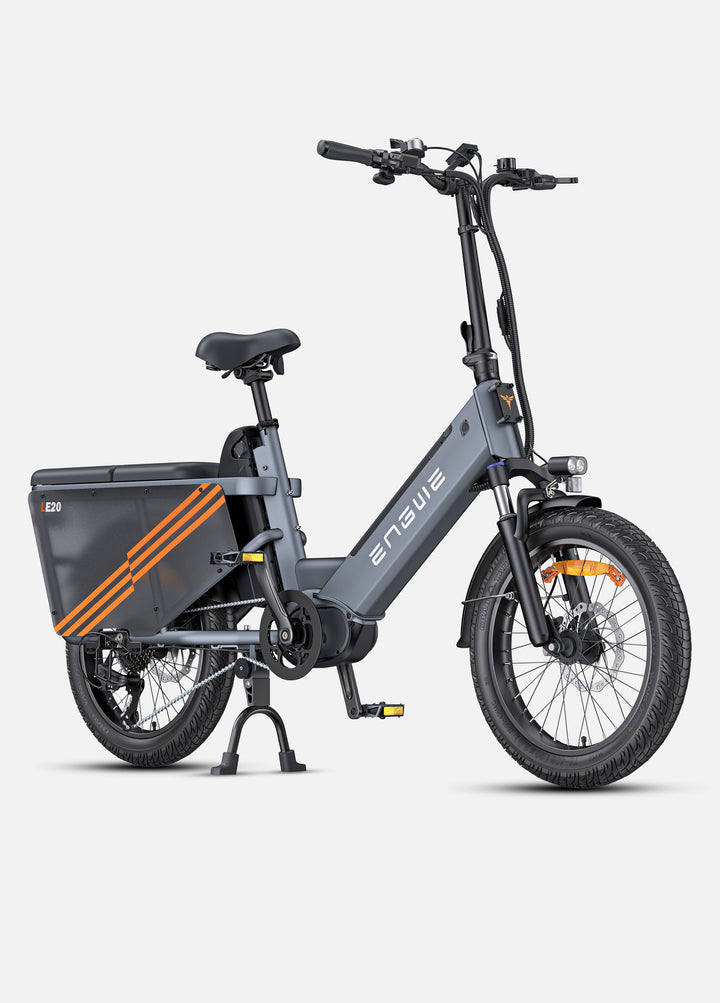
1. ENGWE Engine Pro 3.0 Boost – Full-Suspension Downhill MTB
ENGWE Engine Pro 3.0 Boost is ideal for veteran riders seeking power, stability, and performance. Its suspension system features full shocks to absorb the impacts and provide unparalleled control when going downhill on steep slopes. Big tough tyres stick close to the trail, and strong hydraulic brakes allow for safe braking.
- Ideal for: Veteran riders seeking optimal downhill performance
- Advantages: Highly stable, strong brakes, full suspension for bumpy trails
- Ideal trails: Steep wooded paths, rock gardens, and technical sprints
This is a bike for cyclists who want to challenge themselves, but safely and in a controlled environment with full suspension downhill mountain bike.

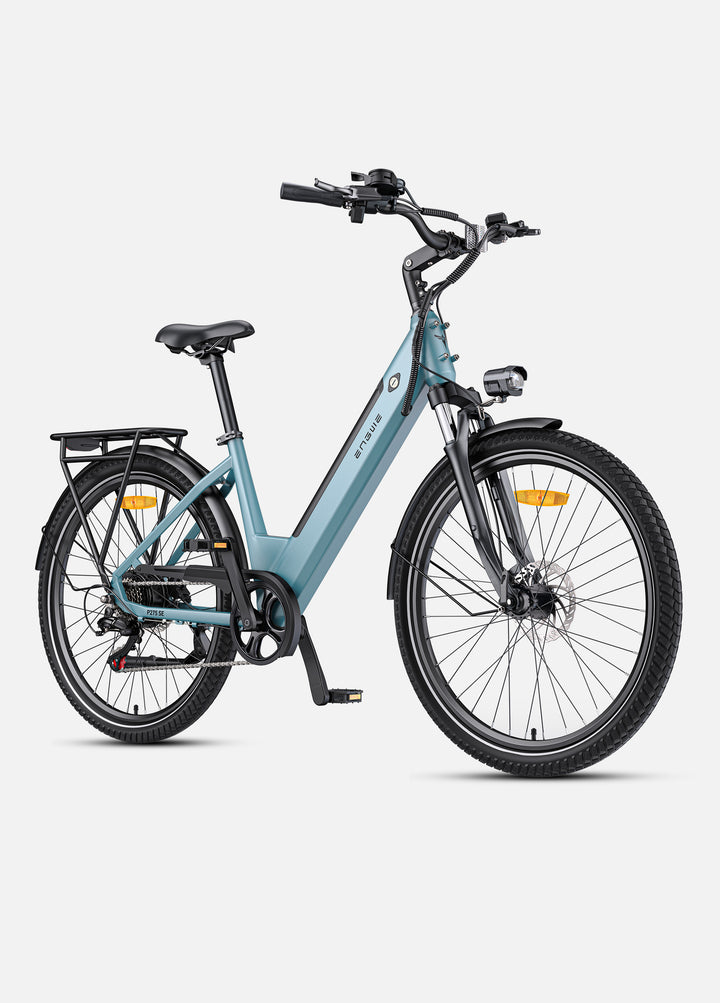
2. ENGWE M20 – Safe and Sleek
ENGWE M20 is perfect for new and mid-level riders. Its motorbike-like design and wide tires offer perfect traction, which means it's easier to ride downhill without worrying about slipping. This bike is also more affordable, which means new riders will have a gentle introduction to downhill mountain bikes.
- Best for: New riders or mid-level riders
- Pros: Easy to ride, excellent brakes, economical
- Best trails: Smooth or lightly bumpy trails, moderate trails
The ENGWE M20 is perfect for learning downhill riding skills without being overwhelmed by high-performance capabilities.

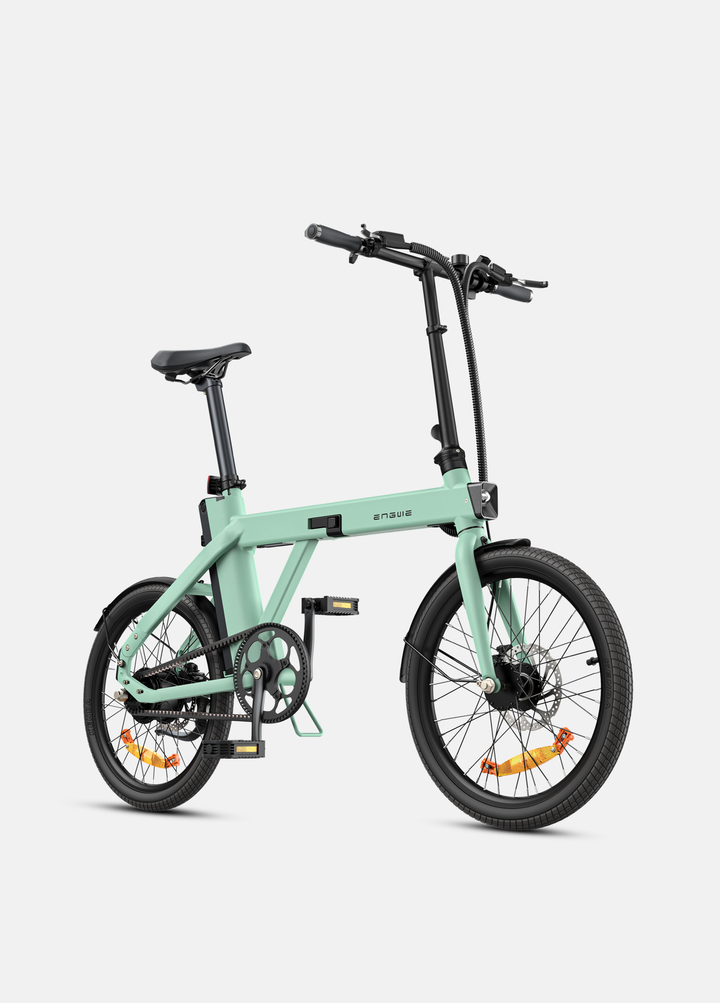
3. ENGWE EP-2 Boost – Convenient and Portable
ENGWE EP-2 Boost is foldable and light in weight, ideal for consumers needing convenience and downhill fun. Its broad wheels and shock-absorbing system ensure comfort on smooth or easy ground. You can carry it in your car with ease or keep it indoors.
- Best for: Commuters or leisures who ride downhill once in a while
- Advantages: Lightweight, foldable, simple folding, silky trail ride
- Best trails: Trail park, groomed downhill trails, urban descents
This bike is ideal for someone who prefers an occasional ride downhill but also needs convenience while commuting or traveling.A downhill full-suspension mountain bike features both front and rear suspension, providing maximum shock absorption and control on steep, rough, and technical trails.

Why These ENGWE Bikes Stand Out
ENGWE electric mountain bikes for downhill riding offer electric assistance, stability, and shock absorption. They save energy for grueling climbs and reserve technique for smooth runs. The appropriate model to select depends on your level of expertise, riding speed, and the type of trails you are using.
Step 4: Learn Downhill Riding Skills
The proper bike does make a difference, but it's all about the technique. These are the most important skills to master when it comes to downhill riding:
- Shift your position: Hips over the saddle and slightly bent knees to be in balance.
- Relax your handlebar grip: Don't grip handlebars too hard; let arms and knees take the bumps.
- Look ahead: Eyes on the road in front of you, not your front tire.
- Brake smartly: Use both brakes gently and before turning or coming up to an obstacle, not as you travel through it.
- Be centered: Avoid leaning forward or backward. Keep your body balanced with the bike.
Master these skills on smaller trails first. When you feel more comfortable, ride steeper, more challenging descents.
Step 5: Inspect Your Bike Before Riding
Before each ride, take a quick safety inspection:
- Tire pressure: The best levels of air mean better grip and shock absorption.
- Brakes: Make sure the front and back brakes respond quickly.
- Bolts: Vibration loosens screws, check all the bolts and nuts.
- Suspension: Shock absorbers should move smoothly.
- Helmet: Straps should not be too tight or too loose.
- Maintenance keeps your bike safe and gives a smooth ride down.

Step 6: Electric Help Should Be Used in a Smart Way
Electric mountain bikes make it easier to go downhill, especially if the descent is long or the climb is long. Electric help:
- Your muscles will not be so heavily loaded.
- You will be able to focus on technique rather than lengthy climbs.
- You will have the opportunity to ride more trails within a day.
For example, with the ENGWE Engine Pro 3.0 Boost , you can keep riding back up and riding back down without wearing yourself out. Electric assistance is not only a nice-to-have but also a safer and more confidence-boosting way of riding on trails.

Step 7: Know Your Riding Style
Your style will determine your bike and how you ride trails. This is how to pair your style:
1. Thrill-Seeker
If you like challenging trails with drops, jumps, and tough terrain, give a sturdy full-suspension bike. Its shock absorbers and stability let you ride aggressively while still having control.
2. Relaxed Explorer
For those who like rolling trails and gentle inclines, choose the ENGWE M20. It's simple to handle, secure, and suitable for riders who want fun without taking too much risk.
3. Down-to-Earth Rider
If you require a bike that's easy to carry, store, and use from time to time for downhill riding, go for the ENGWE EP-2 Boost. Its foldability and lightweight make it possible for you to easily have it at home in the city or carry it while on the move.
Rules of adjusting your style:
- Become familiar with the types of trails you like most.
- Make bike adjustments (suspension, tire pressure) fit your style of riding.
- Acclimate gradually to new experiences, begin with middle trails before moving on to extreme downhill.
- Balance adventurous rides with skill training to build confidence and ability.
- Matching your bike to your riding personality enhances performance, safety, and fun. It makes riding comfortable yet thrilling.
Conclusion
Mountain biking, downhill, requires skill, bravery, and the right gear. With the proper gear, the proper bike, and with proper techniques, you will be having fun and safe rides.
ENGWE's lineup of electric mountain bikes has something for every biker, whether you're an adrenaline junkie, laid-back adventure-biker, or no-frills commuter.
Shed focus on technique, armor up with protective downhill mountain bike gear, and savor every turn. You have read all about what is the best downhill mountain bike and its features. With practice, patience, and the right vehicle, even downhill riding becomes pro-grade.