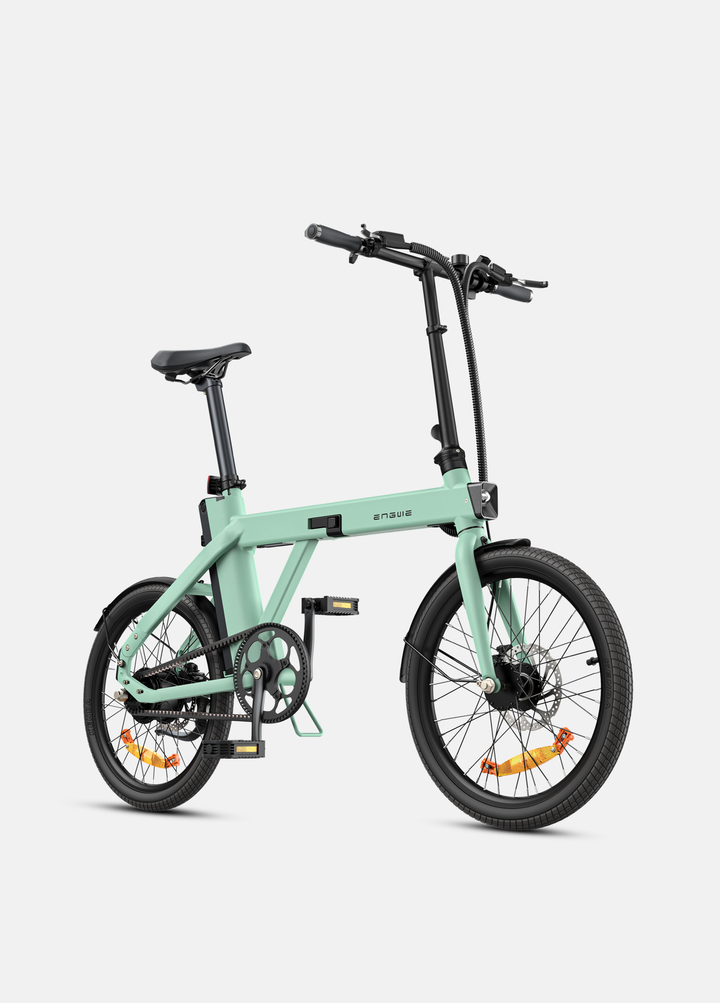
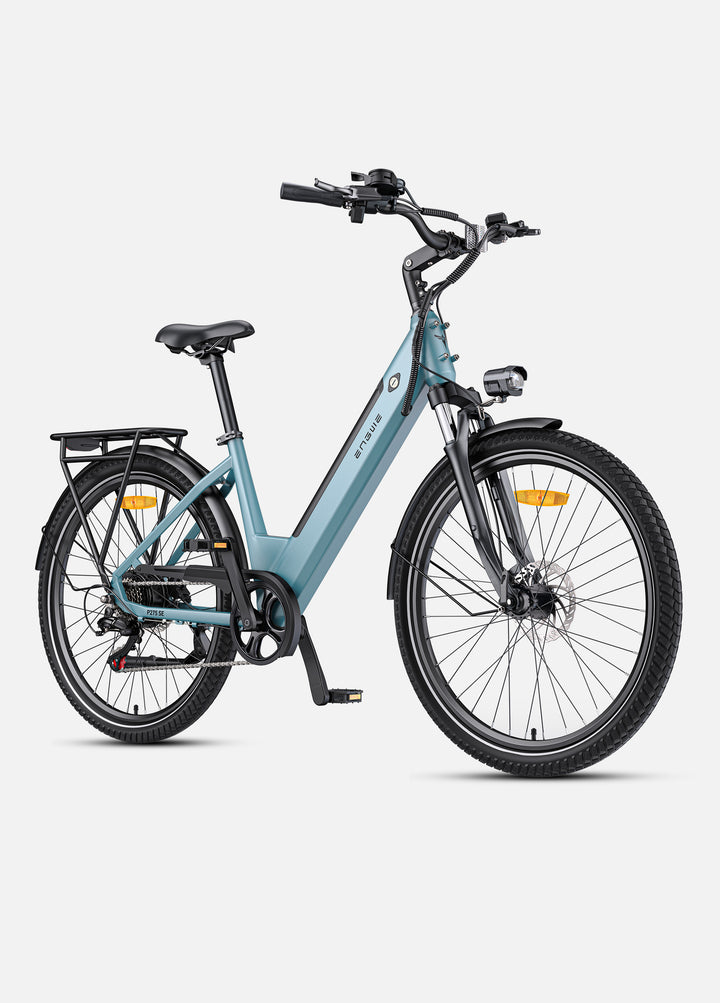
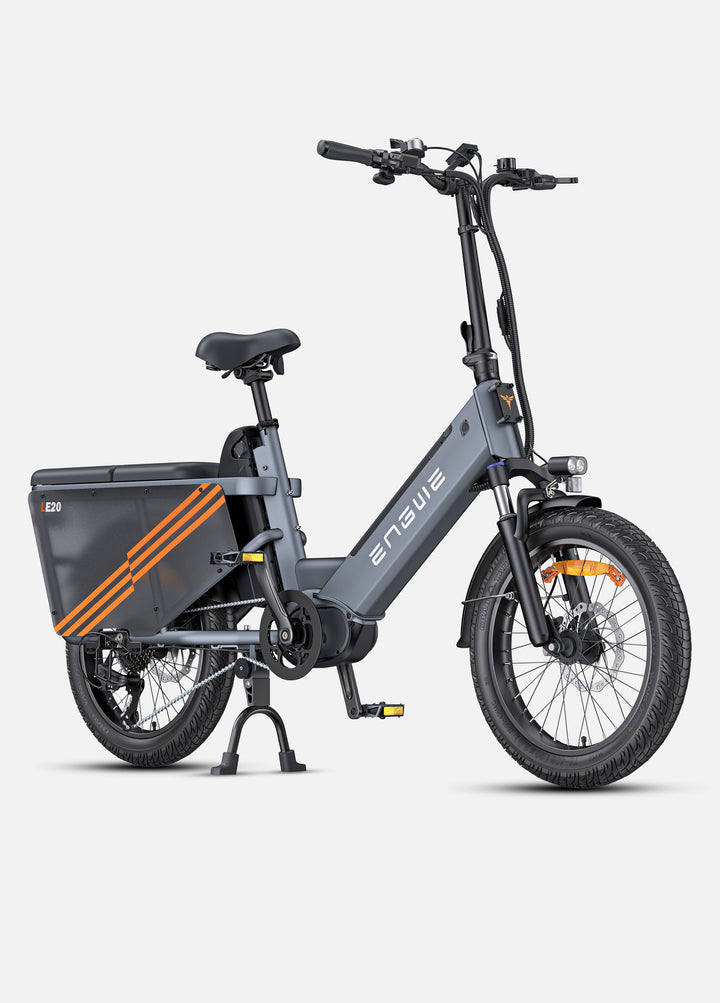
The ebike fat tire trend has gone way beyond tropical surfing locations and snowy mountain tracks. What was once a niche product to tackle the issue of sand and snow has gradually found its way into the urban areas where riders are challenged by broken asphalt, disjointed bike paths, curb falls, and unstable weather conditions.
It is now common in most urban centres to see fat tire e-bikes as a real solution to infrastructure issues, as opposed to a style statement.
However, is this growth sustainable, or is it a short-term phenomenon? To respond to that, it is beneficial to know what fat tire e-bikes can provide to urban riders and how these advantages can be maintained in the long run.

What Is an Ebike Fat Tire Model?
An ebike fat tire model typically used in an ebike is 4.0 inches or larger in diameter, as opposed to the typical commuter tires (1.75 to 2.4 inches). The contact patch with the ground is greatly increased by this increased width, increasing traction and absorbing any irregularities in the surface.
This can be translated into performance improvement in an urban environment, as there will be improved performance in potholes, broken pavements, brick roads, metal utility covers, and poor-quality bike lanes. The fat tires also provide natural suspension at lower pressures, typically 15-25 PSI, and eliminate vibration, which would otherwise be completely reliant on mechanical suspension systems.
Fat tires have ceased to be extravagant to many city riders. They are a convenient method of compensating for real-world road conditions.

Why Urban Riders Are Choosing Fat Tire Ebikes
Comfort on Poor City Roads
Poor roads are one of the significant problems of urban areas. The municipal infrastructure reports across Europe and North America show that a big portion of urban roads have a rating of fair or poor. A fat tire ebike is capable of absorbing the surface imperfection that would have otherwise been transferred to the rider.
During a daily trip covering 8-15 km, decreased vibration has a great impact on eliminating strain on wrists, shoulders, and lower back. That is why a lot of riders, who change narrow tires, state that they feel less tired and have fewer complaints connected with discomfort.

Stability and Safety at Urban Speeds
Street riding occurs at speeds under 25 km/h and less, at which point balance and traction become more critical than aerodynamics. Large tires enhance low-speed stability and lower the chances of slipping off wet roads, gravel, or sandy roads at intersections.
It is one of the recurring themes of fat tire ebike reviews, particularly among the newer riders. Stability gains confidence, which in most cases results in more and prolonged riding.

Year-Round Urban Riding
Fat tires are also useful in seasonal cities where there is a need for good grip due to the rain, cold, and even debris-ridden roads. Although a fat tire mountain ebike is a trail bike, the same traction advantages are applicable to leaf-strewn roads, light snow, and wet bike paths.
This is part of the reason why urban riders are willing to use fat tire e-bikes all year round instead of changing to slimmer tires.

Are Fat Tire Ebikes Practical for Cities?
No, from the performance perspective, yes. Newer fat tire e-bikes have a higher weight of 25-35 kg, but the increased weight is canceled by higher motor efficiency and increased battery capacity.
Comfort and control are the priorities for most urban riders, rather than maximum range or speed. The efficiency between fat tires and narrow tires in a stop-and-go traffic is much less pronounced, particularly in the case of the pedal assist.
In the case of poor road riders, the tradeoff usually goes towards comfort and durability as opposed to marginal efficiency gains.

Folding and Compact Urban Options
One of the greatest concerns in cities is storage. This has led to the demand in the folding fat tire ebike, fat tire folding ebike, and foldable fat tire ebike categories.
Folding designs enable the riders to keep the bikes in apartments, offices, or shared areas. Although frame folding increases the weight and the complexity, technological improvement of frame design and the reinforcement of the hinge have enabled such bikes to be used in everyday urban life.

Motor Power and Urban Performance
City riding does not need extreme top speed; torque is very important. Strong low-speed power is required in hills, bridges, for heavier riders, and for cargo.
With a 1000w fat tire ebike, there will be sufficient torque to face the steep streets and frequent stops without straining the motor. A mid drive fat tire ebike is considered by many riders as efficient and balanced, and it offers a way to enhance the climbing efficiency and weight distribution through the use of gearing.
Some models promote dual motor fat tire ebike. Although high-performance, they do not need strong performance, as they can be used on off-road or on personal roads. A single-motor fat tire e-bike is the most suitable for power, using efficiently, and is the easiest to maintain for most urban riders.

ENGWE Fat Tire Ebikes for Urban Riders
ENGWE has established itself as a household brand within the ENGWE fat tire ebike category, specifically among the group of customers who focus on affordable bikes and those who are city-friendly.
ENGWE EP-2 Pro
The ENGWE EP-2 Pro is a 20 inch fat tire ebike that has a folding frame and wide tires and occupies a small space. It is small enough to be used in an urban storage and at the same time provides stability over rugged roads. It is frequently cited as riders look to the best budget fat tire ebike to use as a commuter.


ENGWE Engine Pro 2.0
To riders who are more concerned about comfort, the ENGWE Engine Pro 2.0 has a full suspension fat tire ebike design. A fat tire ebike full suspension also minimizes the vibration along cratered roads, and these factors make it attractive on longer distance rides within the city as well as commuting.


Fat Tire Ebike vs Traditional Urban Ebike
Fat tire models have significant benefits over other e-bikes in terms of comfort and stability and fastest fat tire ebike as compared to traditional, narrow-tire urban e-bikes. However, they come at a cost: trade-offs such as higher weight and slower acceleration on smooth pavements.
Riders who are forced to use imperfect infrastructure also experience more advantages than disadvantages. Another benefit of fat bike e-bikes is that this type of bike can be used during weekends when one wants to go out of the city limits, which is a valuable addition from a long-term perspective.
Is There a Budget-Friendly Option?
Lots of riders are looking to find a fat tire ebike under 1000, and even though there are not many, there are entry-level models. Fat tire e-bikes are often made with budget-oriented consideration, simplifying the parts and maintaining the value of large tires.
These models can be plain drive trains with smaller batteries; however, with moderate commutes in the city, they are still viable.

Is the Ebike Fat Tire Trend Here to Stay?
The fashion is not in trend, but a problem in the structure of the cities. The cities are still grappling with the issue of road maintenance, and riders are more concerned with comfort and safety than with weight savings.
With the advancement of design, light frames, improved folding systems, and smoother motors, fat tire e-bikes are becoming more urbanized. This indicates that the ebike fat tire is changing from a trend to a normal option.

What Is the Best Fat Tire Ebike for City Riding?
There is no single answer to what is the best fat tire ebike . The most suitable option in the case of urban riders is often a balance of moderate motor power, low-sensitivity brakes, easy size, and brand backlash.
City riders do not need to be after maximum speed or extreme specifications, but stable and well-supported designs to cope with the daily situation are always the winners.
Final Thoughts
The trend of the ebike fat tires is not only about looks. It shows actual transformations of the way in which people ride in cities that have imperfect infrastructure and different conditions.
Fat tire ebikes provide a more forgiving, confidence-inspiring ride to many city riders. The fat tire ebike is perhaps here to stay as long as issues revolving around comfort and road quality are not a concern.
Frequently Asked Questions
What is an ebike fat tire?
An ebike fat tire is an electric bicycle that has oversized tires, usually four inches or larger. These tires enhance stability, traction, and comfort, especially when on uneven surfaces and rough roads.
Are fat tire ebikes good for city commuting
Yes. Fat tire ebikes are good for urban commuting since they keep all the road bumps, and they also have more grip on wet or damaged roads, and therefore commuting becomes more comfortable and predictable.
Do fat tire ebikes require more effort to ride
Fat tire ebikes are heavier, but the weight is compensated for by the electric assist. The additional effort is not observed by most riders when they are riding in the city in normal conditions, particularly at moderate speeds.
Are folding fat tire ebikes practical for apartments
Folding fat tire bikes are potentially convenient in apartments. They can be folded up to a smaller size, but can be heavier than ordinary folding ebikes.
Will fat tire ebikes go out of style?
Fat tire ebikes are not all about style, but they are functional. So long as riders appreciate comfort and stability in less-than-perfect roads, they will continue to be a choice.