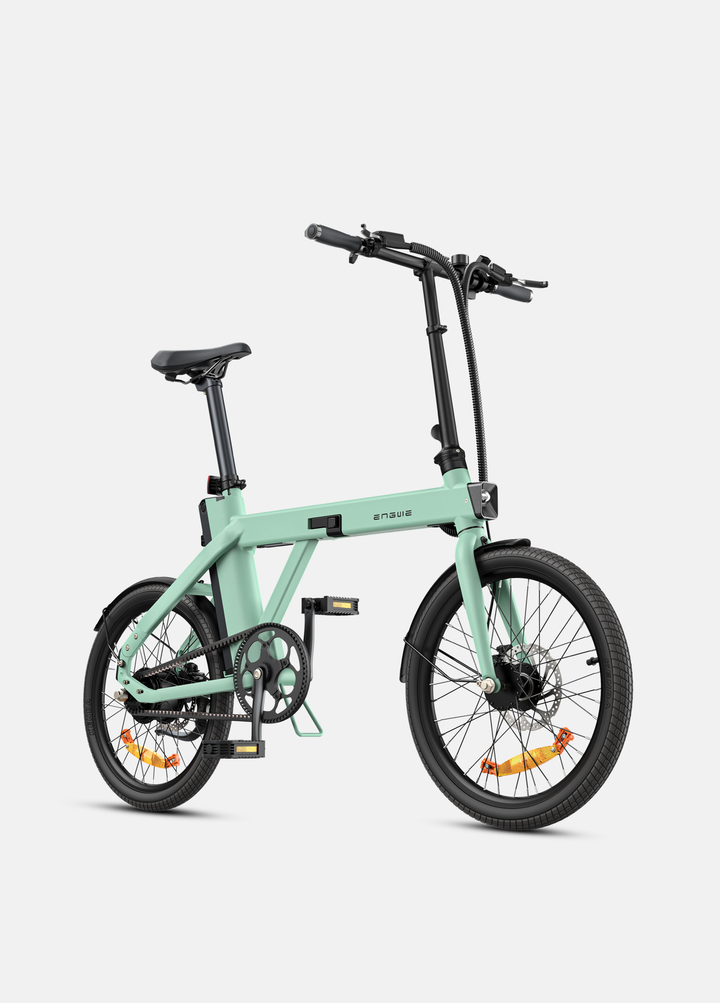
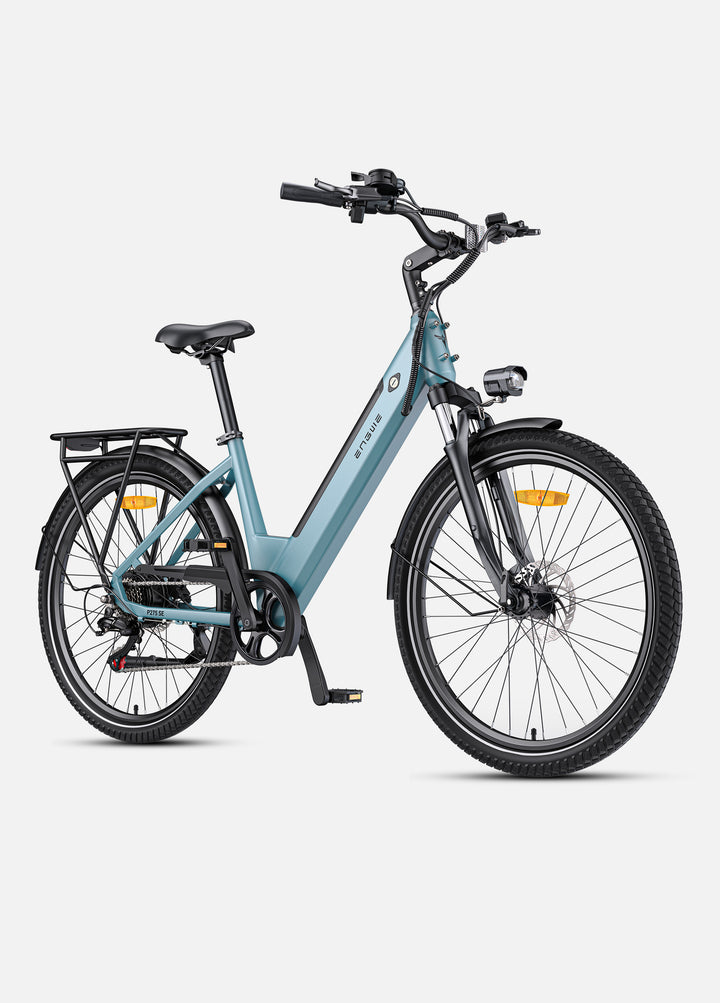
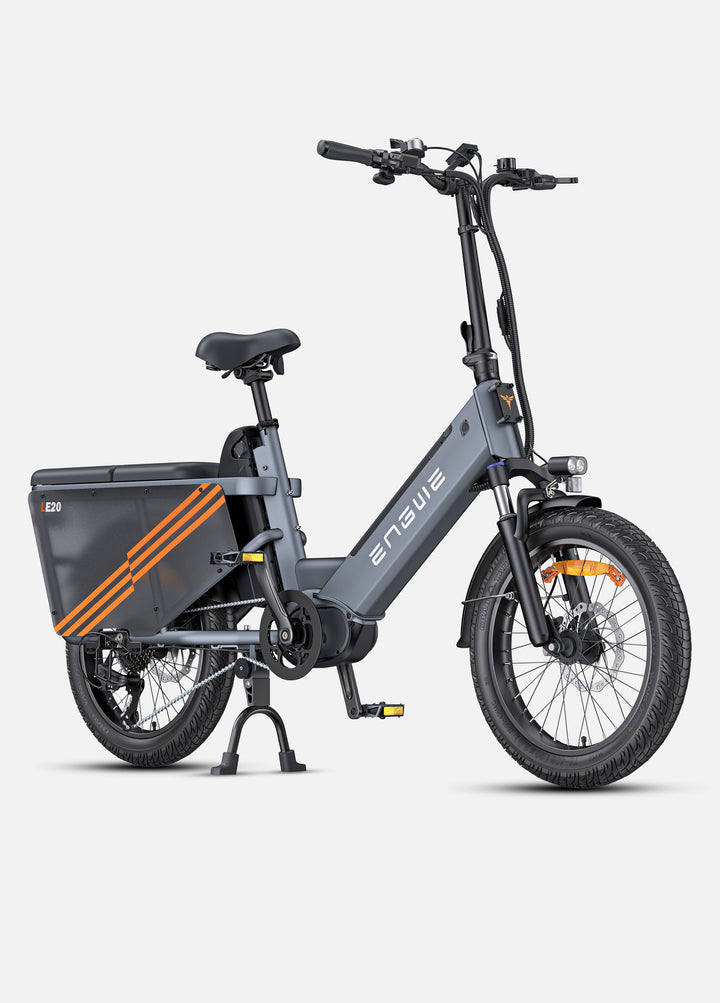
Electric bikes aren’t just a fancy version of regular bikes. They are powerful, convenient, and efficient. These electricity-fueled bikes can make traveling long distances a breeze.
But, like all things in the world, they have certain disadvantages. So, if you’re a first-time buyer, it’s best to weigh the pros and cons of electric bikes before making a decision.
Don’t worry, because this article will help you with exactly that. From functionality to pros and cons, we will dive deep into the world of electric ebikes. Read more!

What is an Ebike?
An e-bike is a bicycle that has a built-in electric motor to help you pedal. It still works like a regular bike – you can pedal it yourself – but the motor gives you extra power. This is useful when going uphill, riding longer distances, or commuting without getting too sweaty.
You can find different types of e-bikes in the market. For example, a woman's ebike usually has a smaller frame structure to make getting on and off easier. However, a man’s ebike is bigger and broader.
That being said, you’ll come across 3 main types:
Pedal-assist (pedelec): The motor helps only when you pedal.
Throttle-assist: You can use a throttle to get power without pedaling.
Speed-pedelecs: A faster version of pedal-assist bikes, often treated like mopeds.
E-bikes are very popular for city commuting, exercise, and eco-friendly travel. They account for more than half of bicycle sales in the European countries, specifically Germany and the Netherlands.
How Do Electric Bikes Work?
An electric bike, or e-bike, works like a regular bicycle but with extra support from an electric motor. The system is powered by a rechargeable battery and controlled by a device that manages how much assistance you get.
The key components of an e-bike include the motor, battery, controller, pedal sensor, and sometimes a display screen. The pedal sensor detects when you start pedaling and signals the controller to activate the motor.
The display (if included) shows useful information like speed, battery level, and assistance mode.
There are two main types of assistance: pedal assist and throttle. With pedal assist, the motor only helps when you are pedaling, making it feel like you have stronger legs. With throttle mode, you can press a button or twist a handle to move the bike without pedaling at all.
As for charging an e-bike, it is pretty simple. You plug the battery into a wall socket just like you would with a phone or laptop. It usually takes about three to six hours to fully charge. Once charged, the battery powers the motor and helps you ride with less effort.

10 Real Pros and Cons of Electric Bikes
Now that we know the basics, let us tell you one more thing – most manufacturers are only going to tell you the positives of riding an electric bike. But at Engwe Bikes, we maintain transparency and ensure our customers are completely aware of the reality.
So, here are 10 real pros and cons of electric bikes you must know before making a decision:
1. Easier to Ride Uphill and Against the Wind – PRO
E-bikes give you motorized assistance, which means you don’t have to struggle as much on hills or in strong headwinds. The motor provides torque that helps you move smoothly without overexerting yourself. This is especially helpful for older riders, beginners, or people with joint pain or limited stamina.
2. Heavier and Bulkier – CON
Due to the motor and battery, e-bikes are significantly heavier than regular bikes. This makes them harder to lift onto bike racks, carry upstairs, or maneuver in tight spaces. If the battery runs out, pedaling an e-bike manually can be quite difficult because of the added weight.
However, most companies have considered this problem, and you’ll notice that the best electric bikes for commuting now are lightweight and/or portable.
3. Great for Commuting – PRO
E-bikes make commuting quicker and less tiring, especially over longer distances. You can avoid traffic jams, skip expensive parking, and reach your destination without breaking a sweat. This makes them ideal for urban workers or students who want a reliable, affordable, and low-effort alternative to cars and public transit.
4. Expensive to Buy – CON
Electric bikes generally cost more than traditional bicycles due to the battery, motor, and electronic components. A decent e-bike can range from $800 to $3,000 or more. This initial cost can be a barrier for many people, especially when compared to the lower price of regular bicycles.
5. Saves Money Over Time – PRO
While e-bikes can cost more upfront than traditional bicycles, they save you money in the long run. You don’t need to buy fuel, pay for car insurance, or use costly public transport daily. Maintenance costs are also lower than cars, and charging a battery only costs a few cents.
6. Battery Life and Charging – CON
E-bike batteries typically last between 20 and 60 miles on a single charge, depending on terrain and assistance level. Long trips may require planning for charging stops. Recharging takes around 3 to 6 hours, and if you forget to charge, your bike could lose power mid-ride.
7. Good for Environment – PRO
Since they run on rechargeable batteries and don’t burn fuel, e-bikes are much better for the environment than cars. They emit no carbon dioxide or harmful gases during operation. If charged using clean energy sources like solar, they become an even greener option for eco-conscious individuals trying to reduce their carbon footprint.
8. No DIY Maintenance – CON
E-bikes include more complex parts like motors, sensors, and controllers, which aren’t always easy to fix at home. If something breaks, you may need a specialist or shop that handles e-bike components, and those repairs can be more expensive than for a standard bike.
The good part is that a high-quality electric bike won’t break down easily. You just need to make sure you go through ebike reviews and purchase from a reputable manufacturer.
9. Adjustable Assistance – PRO
Most e-bikes come with different power settings, which allow you to control how much assistance you receive. You can switch to low assistance for exercise or increase it to glide effortlessly on tough terrain.
10. Limited Speed in Some Models – CON
Most e-bikes are legally limited to speeds of 20 to 28 mph. For those seeking high-speed thrills, this may feel underwhelming compared to motorcycles or scooters. While the speed limit is for safety and legal reasons, it might be disappointing for riders used to faster vehicles.

So, Are Electric Bikes Worth It?
After reading these real pros and cons of electric bikes, we are pretty sure you would have already made up your mind about buying an ebike. It’s an amazing way to commute daily – whether you’re going for work or to do groceries.
You have to spend a bit more initially, but an ebike helps you save money and energy in the long run. And let’s not forget the positive impact on our environment!
The only thing you need to be careful about is buying the right one. There are lots of different models – lightweight, foldable, with more battery life, higher speed limits, and whatnot. So, first evaluate your needs and then research to find the perfect pick.