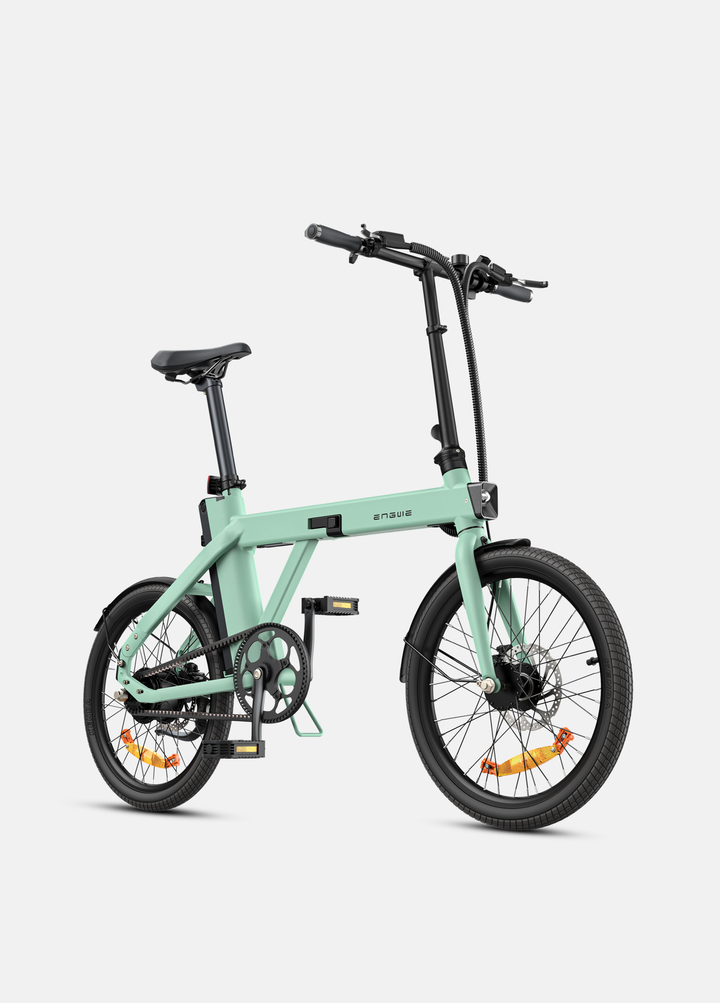
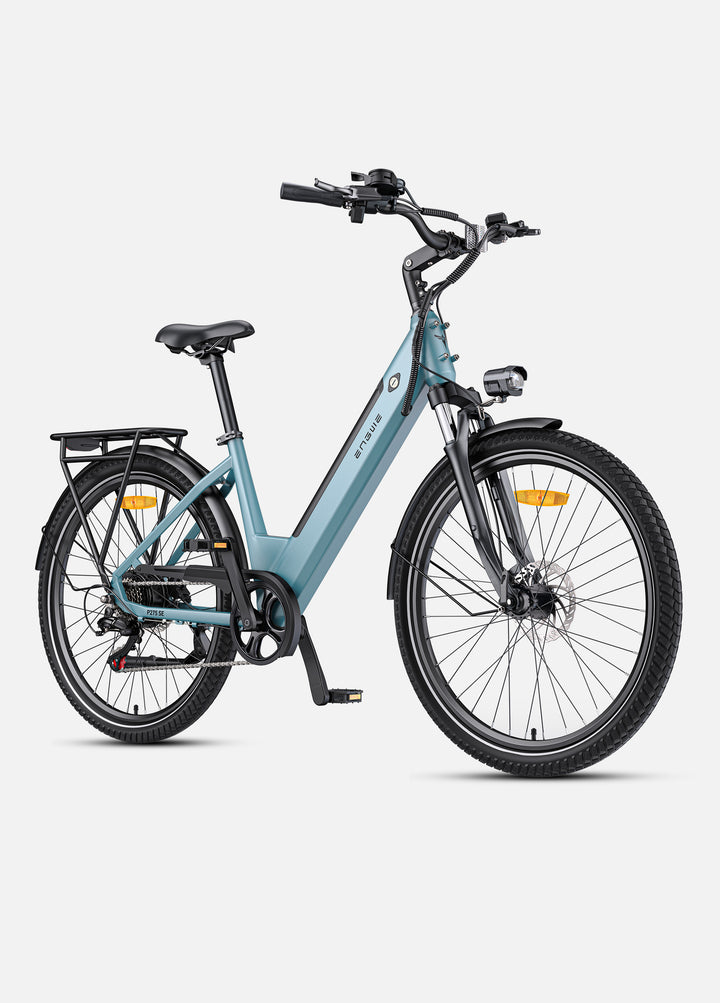
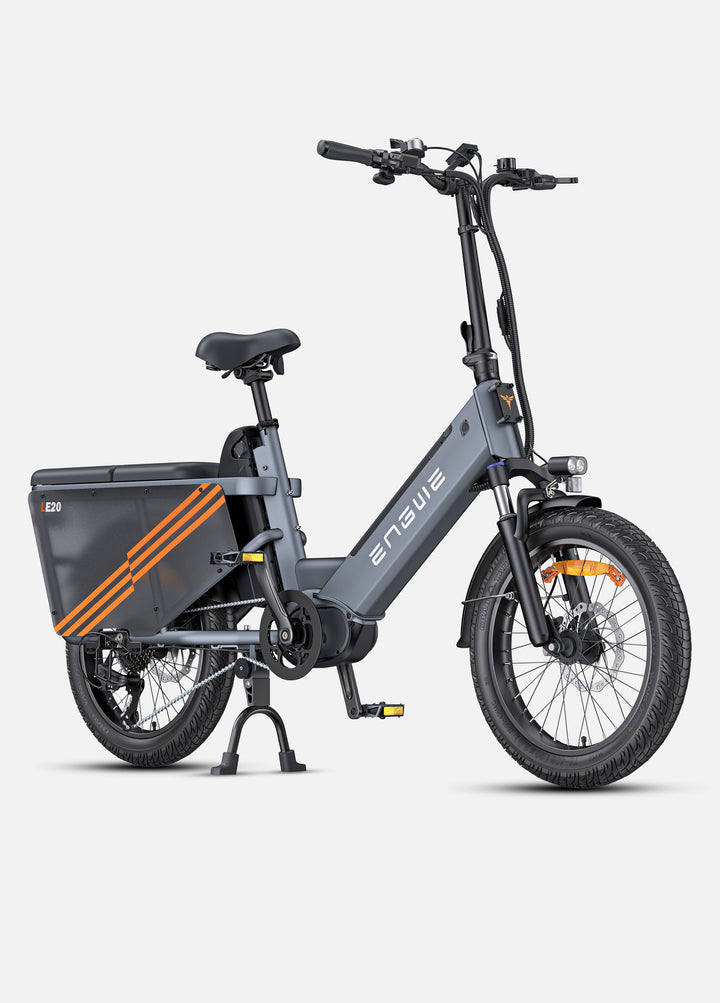
The sky turns grey and the rain hits the pavement. For anyone on an ebike, the question is, can you ride an electric bike in the rain? It is usually the first thing that comes to mind. This is particularly true in Europe, where rain may hit you out of nowhere.
Many modern e-bikes are built to withstand water. However, the final answer to the above question depends on the bike, the rain, and what you do afterwards. Below, we have discussed this topic in detail. Let's dive in.
Can You Ride an E-bike in the Rain?
Manufacturers design electric bikes with rain in mind. They seal the vital components like the motor, battery, and controller to prevent rain damage. Think of a commute through Amsterdam or a tour in the Lake District where rain is common. These bikes are engineered for such environments. The real risk is not a drizzle. It is a flood.
Riding in normal rain conditions is generally fine. Pedalling through a submerged underpass is usually not. Your actions after a wet ride matter as well. A quick wipe-down after riding in the rain prevents water penetration into the bike's electronics.
How to Know If an Electric Bike Is Waterproof
A bike's IP Code or ingress protection rating is the key to understanding its capabilities. The code has two digits. The first refers to dust. The second refers to water. Higher numbers indicate stronger protection against dust or water intrusion.
E-bike components with an IP65 or higher rating are dust-tight and water-protected. It is a robust rating that easily handles heavy rain. Some batteries or motors even reach IP67, meaning they survive temporary immersion.
A crucial detail: the bike as a whole does not have one rating. The motor, battery, and display each have their own. Always check these individual ratings. They tell the true story.

How Water Affects Your E-Bike’s Electronics
Water may cause short circuits. The sophisticated electronics that transfer power from the battery to the motor are most vulnerable to this risk. While seals and gaskets are a great way to keep these parts safe, they are not perfect.
Seals degrade with age, exposure to UV light, and regular riding. The reason an e-bike that withstood rain in Year 1 but became vulnerable to water damage in Year 3 or 4 could be due to maintenance. How well an e-bike resists water depends on its design and its owner’s overall care and maintenance of the bike.
What Kind of Wet Conditions Can E-bikes Handle?
The answer to the question “Can you ride an electric bike in the rain?” also depends on the type of wet conditions. Think in terms of typical European weather. A steady autumn rain in Berlin? Perfectly acceptable. A misty morning ride in the Scottish Highlands? Not a problem. Roads wet from spray? The best e-bikes are built for this.
Now consider the limits.
A torrential downpour pushes the bike’s boundaries. The real danger, however, often comes from the ground. Deep puddles that submerge the motor are a genuine risk. The same is the case with high-pressure washers. That concentrated jet of water will force its way past seals and damage the bike's components.
Which E-Bike Parts Are Prone to Water Damage?
Contacts on the battery are vulnerable to corrosion, which interrupts power. The motor, often low on the frame, faces constant spray. A motor with a high IP rating is essential to handle this. The display unit on your handlebars takes the rain head-on, and its seals are sometimes less robust. This leaves it vulnerable to water damage.
Finally, remember the connectors. They are small cables and ports that link everything and have seals. The seals will wear out and let moisture creep in.

How to Protect Your Electric Bike From Water Damage
Bike care is a simple but valuable habit.
Start with full-length mudguards. They are not an accessory. They are essential for protecting the battery and motor, as they significantly reduce the grimy water sprayed onto the bike's underside in wet conditions.
While riding, adjust your speed. Slow speed reduces spray and gives you more control on slippery surfaces. Try to avoid deep puddles as well to minimise water exposure.
The most critical part comes after the ride. Take a few minutes and wipe the bike down. Pay attention to the battery contacts as well. If your battery is removable, take it out and let everything dry properly.
Conclusion
Wondering, “Can you ride an electric bike in the rain?” The answer remains a confident yes. The engineering is there. The IP ratings prove it. These designs ensure that the bikes are ridden safely in ordinary rainy conditions. But remember to respect the difference between a wet road and a flooded one. In addition, the maintenance and care of electric bicycles is also essential. You ensure mindful riding and consistent care. Understand that a quick wipe-down after riding in the rain is important. This combination of smart design and proper care helps protect your e-bike and extend its lifespan.
FAQs
Can ebikes be submerged in water?
Never. This is the most important rule. An IP67 rating means a component survived a static immersion test. It does not mean you can ride through a flood. Moving through water creates pressure that breaches seals. The result is often an immediate failure and a voided warranty. If you encounter deep water, turn around or walk your bike through.
Can I hose down my electric bike?
It is a significant risk. High-pressure force water past seals. The safe method is to gently clean the frame with soapy water and a soft sponge. Avoid direct streams of water on electric components.
Can electric bikes get wet?
Rain and road spray are a normal part of operation. However, "getting wet" is different from "submerged in water." You can ride in the rain. You should not leave your bike outside in a storm for hours or ride through areas with deep standing water. Use it in the rain, then give it the care it needs to be ready for your next journey.