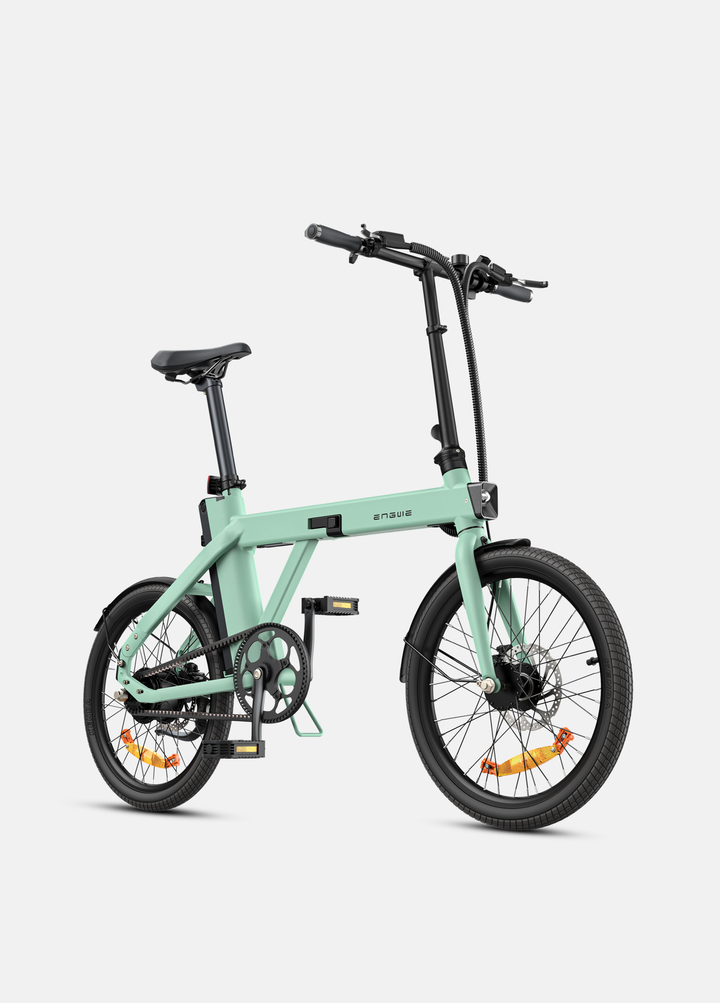
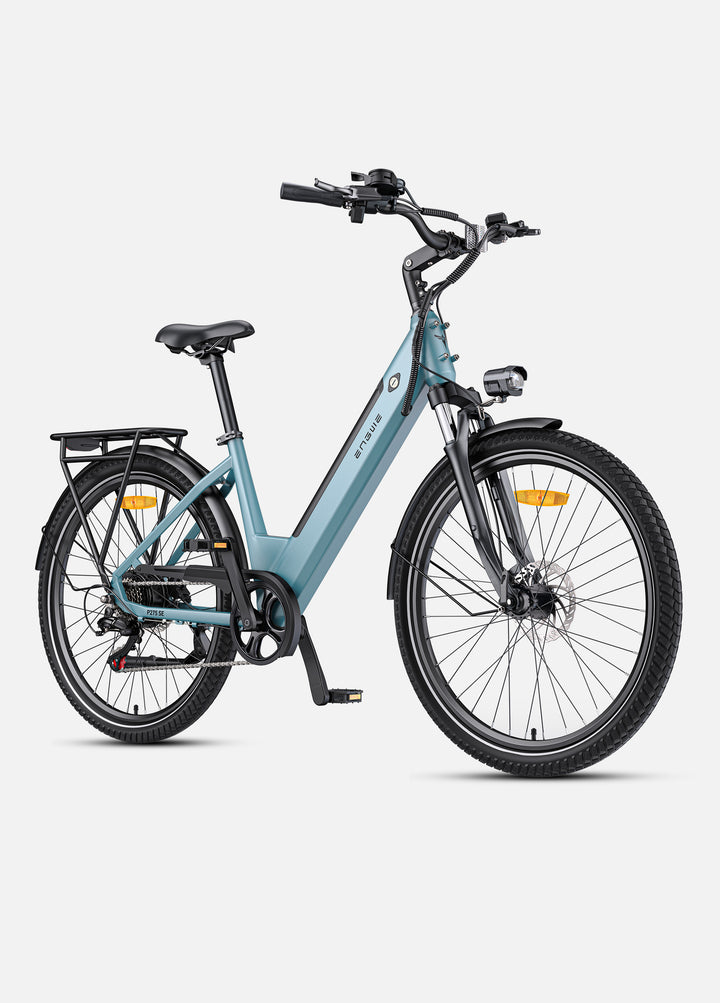
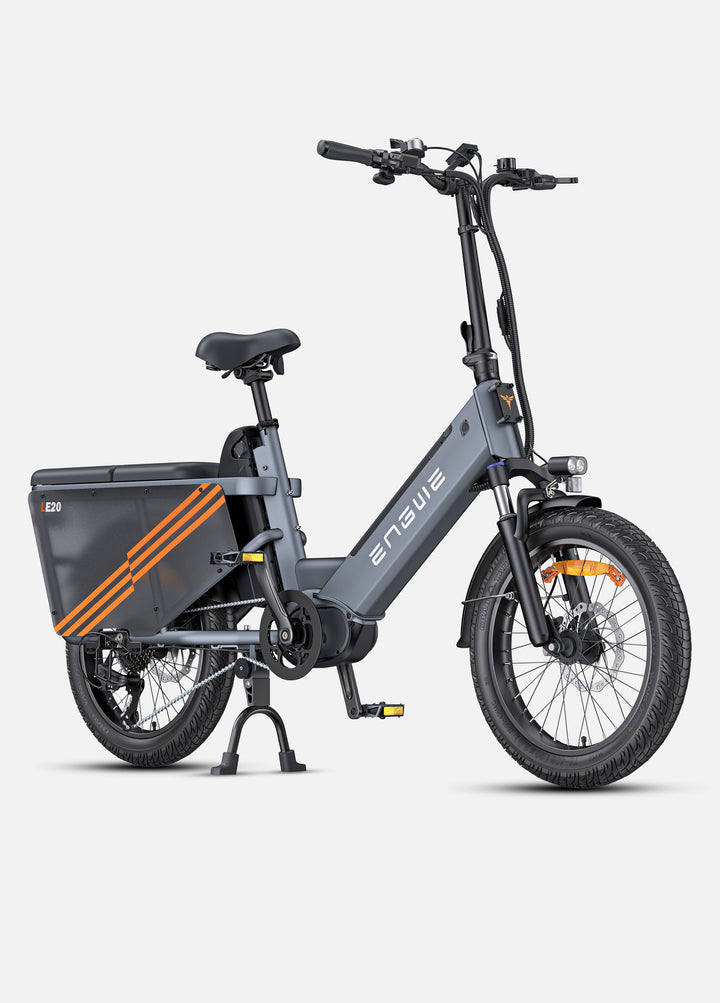
The selection of the right electric bike charger plays a crucial role when it comes to the health of the battery, long-term performance, and the safe daily usage of the product.
Various riders wish that there would be a universal electric bike charger that would be compatible with most types of chargers, but it all depends on the voltage and connector type, as well as the battery management systems. Understanding these details helps prevent damage to your electric bicycle battery and ensures consistent performance.
How an Electric Bike Charger Works
A standard ebike charger is a device that transforms the household electric power into DC power that is compatible with the battery of the bike. Whether you use a 36v battery charger for electric bike, a 48 volt electric bike charger, the charger should provide the appropriate voltage and amperage. Applying the wrong one will lead to overheating, slow charging, or even permanent damage to the battery.
Most modern e-bikes include a Battery Management System (BMS). This regulates how the battery accepts power and works alongside the ebike battery charger to prevent overcharging.

Can a Universal Electric Bike Charger Work for All Bikes?
A universal electric bike charger sounds convenient, but in practice, it does not work for every model. Batteries vary in:
-
Voltage (36V, 48V, 52V, etc.)
-
Connector type (DC barrel, XLR, Anderson, proprietary plugs)
-
Charging amperage limits
-
BMS requirements
Due to these differences, a charger needs to be specific to the battery. Although certain adjustable chargers claim to be universal, they still need to be manually selected in terms of voltage and properly wired, which makes them dangerous to the typical riders.
If you’re unsure, always choose a charger designed specifically for your e bike battery replacement or original model.

Common Charger Voltages and What They Mean
Different e-bike systems require different chargers. Here’s what typical voltages indicate:
36V Systems
Entry-level commuter bikes, lightweight city models, and folders are charged with an electric bike charger 36v. These batteries provide a lengthy distance and mass.
48V Systems
An electric bike charger 48v or electric bike battery charger 48v supports higher torque and better hill climbing. A large number of mid-tier and fat-tire models utilize this set up in order to accelerate more strongly.
52V and Higher
Higher-voltage packs, with specialized chargers such as a 48 volt battery charger for electric bike used in place of the electric bike, can be used in performance bikes, cargo e-bikes, and off-road builds.

How to Charge an Electric Bike Safely
Learning how to charge electric bike systems correctly extends battery life and reduces performance loss. Below are key principles written in paragraph form (not listicle):
To charge, one has to first plug the charger into the wall outlet, then plug the battery. This grounds the connection and prevents an arc at the connector. The riders are supposed to charge in a cool and dry environment, preferably not in direct sunlight or in very cold conditions.
Understanding how do you charge an electric bike also means monitoring the first few minutes to ensure the charging indicator and cooling system function normally. This avoids the stress on the cells and helps to increase reliability in the long run.

How Long Does It Take to Charge an Electric Bike?
Charging time depends on battery capacity (measured in Wh or Ah) and the charger’s amperage.
A battery with 36V or 48V with a 2A charger will typically require 4-6 hours, with larger capacity packs taking 6-9 hours. There are higher charge rates, although high-amp charging may be reduced by repeated high-amp charging- particularly with older electric bicycle battery packs.
Electric Bike Charging Stations: Are They Useful?
Public electric bike charging station setups are becoming more common in cities, campuses, and trailheads. These stations allow riders to plug in while commuting or exploring longer routes. They do not replace your home charger for electric bike, but they offer convenient top-ups for compatible models.

Can You Charge a Self-Charging Electric Bike?
A few brands advertise the self charge electric bike, which is typically powered by the regen braking system. Nevertheless, this system is capable of reclaiming a modest percentage of energy, which is not even close to substituting for conventional charging. Riders should still rely on a proper electric bike battery charger to maintain a full range.

Best Electric Bike Charger Options to Consider
Although universal chargers are never fully compatible, a few of the high-end models provide safe and efficient charging of the particular voltages as well as battery systems. The following are the reliable alternatives that riders tend to adopt whenever replacing or upgrading an electric bike charger.
ENGWE Charger – Everyday Reliable Replacement Option
The standard ENGWE Charger is a dependable choice for riders who need a simple, safe, and consistent way to recharge their batteries. It works with all popular ENGWE models and making it a versatile solution for most ENGWE owners. When paired with the optional DC2.1 adapter cable, it ensures proper compatibility and smooth charging across different battery ports.

ENGWE 54.6V 8A Charger for Engine Pro 3.0 Boost
This fast-charging unit dramatically reduces waiting time for riders with large-capacity batteries. Engineered for the ENGWE Engine Pro 3.0 Boost, it supplies stable high-amperage output while maintaining safe temperature control, making it ideal for long-distance or high-use riders who charge frequently. Matching the voltage and plug type ensures safe electric bike charging and avoids compatibility

Bosch Compact Charger
Another example that is not a member of the bosch ecosystem but is a well-known substitute to riders is the Bosch Compact Charger, which does not offer the same amount of portability, but delivers reliable charge performance. It is very popular amongst commuters because they require a lightweight and travel-worthy solution that still has a steady voltage and a long-term battery life.

Conclusion
A universal charger would be a nice idea, although accurate voltage matching and connector matching are important to safe and efficient charging. The right electric bike charger preserves battery life, smooth running of the car, and keeps your e-bike prepared to ride any day. It is still the smart and safe thing to match your charger to your battery.
Frequently Asked Questions
Can I use any electric bike charger on my e-bike?
Not always. Most e-bikes require a charger that matches the battery’s voltage and connector type. Using the wrong electric bike charger can damage the battery or BMS. Always check your bike’s manual or choose a model-specific charger such as those made for ENGWE batteries.
How long does it take to charge an electric bike?
The time of charging is determined by the battery capacity and the output of the chargers. The average rider requires 4-8 hours of a regular ebike charger. The fast chargers make that time shorter, though this condition is only possible when the battery can take higher amperage. Speed and battery life are enhanced through the utilization of the right charger.
How do you charge an electric bike correctly?
After connecting the charger to the wall, ensure that you insert it into the electric bicycle battery. Ensure the charger’s indicator light shows charging status and avoid leaving the battery connected after it reaches 100%. Keeping the charger and ports clean also helps maintain safe long-term performance.
What voltage electric bike charger do I need?
You have to adjust your charger voltage to your battery system, 36V or 48V. A 36V battery should be charged by a 42V charger, and a 48V battery should be charged by a 54.6V charger. The incorrect voltage used can destroy the electric bike battery permanently or make the battery not charge at all.
Can I charge an e-bike using a regular wall outlet?
Yes. The majority of riders will be at home and charge the ebike battery charger to any regular household power point. Special wiring is not needed. Nevertheless, do not use damaged sockets or extension cords, and make sure that the charger is compatible with your particular e-bike system.