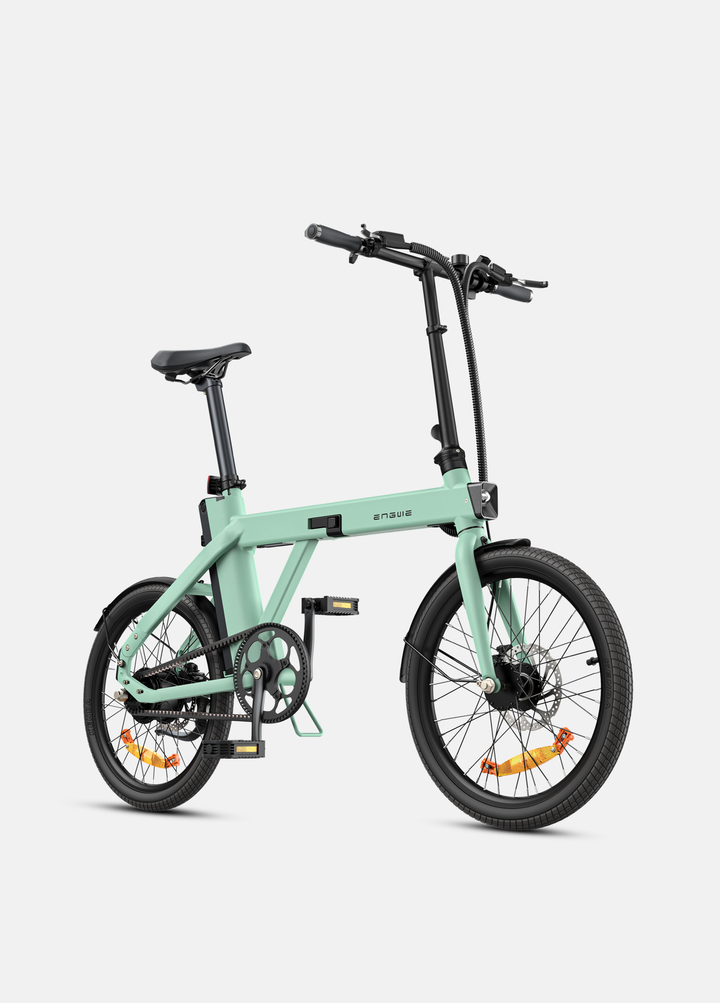
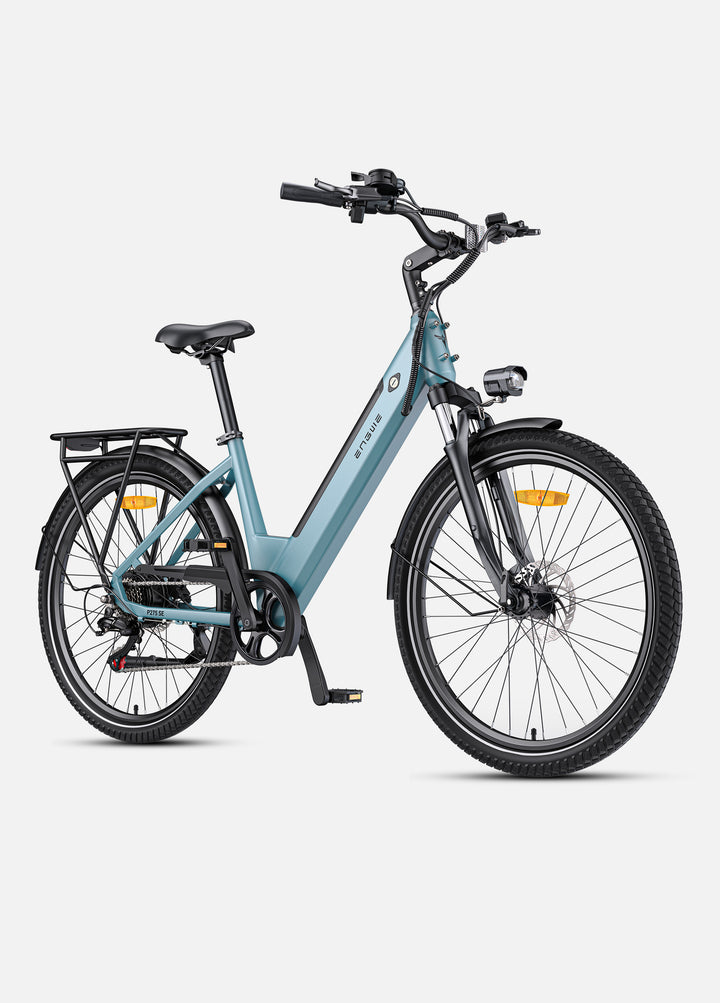
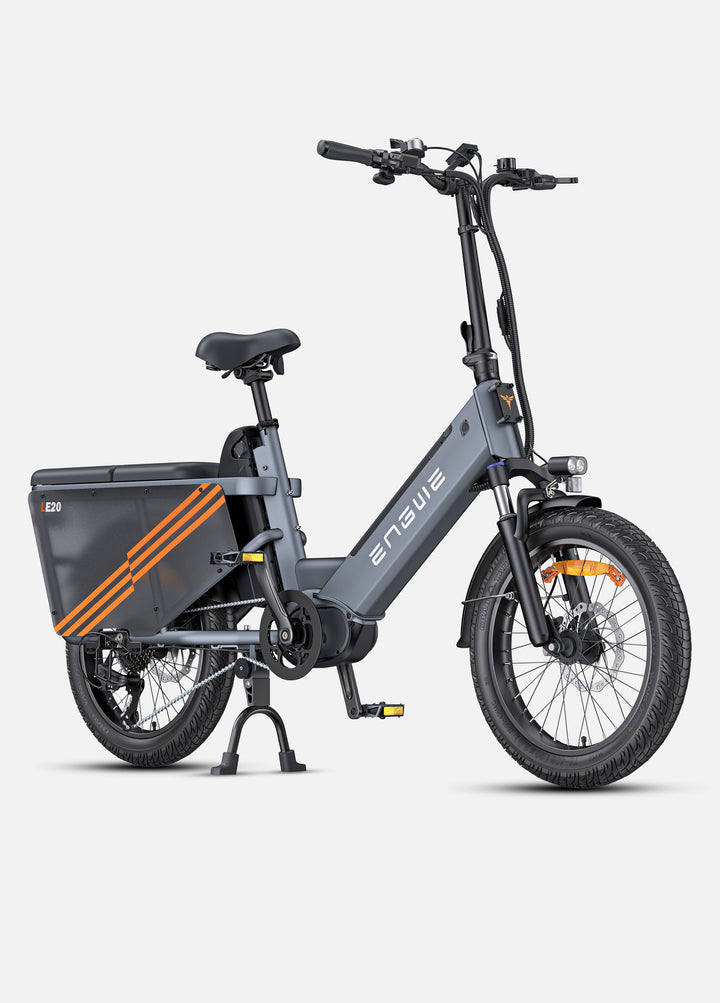
It can be thrilling to look for a fat tire ebike, but you can quickly become overwhelmed and confused as to what features, motor types, or performance levels really matter. Among the largest differences is whether a bike will have a mid-drive or a hub motor, as this basically dictates how the bike will deal with the power, ascents, the nature of the surface, and the lifespan.
If you are a trail rider, a commuter, or an adventure seeker, knowing the differences is essential to locating the best fat tire ebike for your requirements. This buying checklist simplifies everything so that you are able to make a decision that is both confident and well-informed.

What Is a Fat Tire E-Bike?
A fat tire e-bike is an electric bike that has very wide tires; the width of the tires is not less than 4 inches. Large tires are perfect for uneven surfaces; they can "pick up" sand, snow, and gravel, etc., to give you more balance and stability. The whole point is that the tires, the motor, and the frame work together to provide a more stable and powerful bike.
Such large, stable tires combined with a potent motor and a tough frame in an Aventon fat tire ebike, for instance, the Aventure 2 Ebike, make it the perfect unit for handling sand, snow, gravel, and any other difficult terrains effortlessly.

Then, what are these reasons for their popularity?
-
They are great in any season, even in winter.
-
These e-bikes are allowed on trails, dunes, and snow-covered roads.
-
The handle bumps like a champ.
-
Heavier adults or new riders will get better balance from them.
Why Choose a Fat Tire E-Bike: Benefits Across Different Terrains
Knowing these benefits can assist you in determining if such an e-bike is suitable for you.
Wide Tires for Better Grip on Loose Terrain
Tires that are 3 to 5 inches wide have a larger footprint on the ground. This significantly improves traction, especially on non-stable surfaces such as sand, snow, mud, or loose dirt. Thinner tires of the fastest fat tire ebike can slide on these surfaces, but this way, you have more control and stability.
Fat Tire Performance for Reliable All-Season Riding
Since foldable fat tire ebike are designed to go through difficult situations such as snow, slush, or mud, they can usually be driven in places where other bikes cannot. This characteristic is beneficial if you want to use your bike like the ENGWE Engine Pro 2.0 for work or leisure during the cold season or in bad weather.


Smooth Riding with Large, Cushioned Tires
If you operate your fat tires at reduced pressures (5 to 30 PSI), the big volume of air in them acts as a natural cushion. In this way, the shock of bumps and uneven surfaces is absorbed, making the ride of a dual motor fat tire ebike more comfortable, especially on rough roads or longer rides.
Quick Comparison Between Mid-Drive vs. Hub Drive E-Bike
Check out the comparison table below of mid-drive vs. hub-drive motor fat tire e-bikes:
|
Features |
Mid Drive Fat Tire Ebike |
Hub Drive Fat Tire Ebikes |
|
Performance |
Outstanding torque and hill climbing |
Less responsive on hills, but good on level ground |
|
Weight Distribution |
Centered and balanced |
Concentrated in one or more wheels |
|
Motor Location |
Bottom bracket (where the pedals and frame meet) |
Front or rear wheel hub |
|
Handling |
A more organic riding experience |
Feels weighty in the front and back |
|
Maintenance |
Increased drivetrain wear and complexity |
Fewer moving parts and simplicity |
|
Price |
Increased initial investment |
More affordable entrance point. |
|
Perfect Terrain |
Hilly, diverse, and off-road |
Flat, urban environments |
|
Great Uses |
Cargo hauling, mountain biking, and touring |
Rides for recreation and daily commute |
|
User Experience |
Advantages of gear-shifting expertise |
Simple and easy for beginners |
Must-Have Features to Look for Before You Buy
Before purchasing a full suspension fat tire ebike like ENGWE X26/X24/X20, here is a list of the essential features that you should look at:


Tire Size vs. Terrain: The Perfect Fit
The entire purpose of a fat tire mountain ebike is its tires. So, what to look for:
-
Tire Width: 4"–5" if you really want to go off-road
-
Deeper Tread: Large holes for off-road riding
-
Air Pressure Range: lower PSI = smoother ride
When the trail gets tough, an ENGWE fat tire ebike with good terrain adaptability is like a pair of boots that allow you to walk on ice; thus, it keeps you in control.
Motor and Power Options
Power is not only about showing off; it changes your speed, ability to climb a hill, and the weight of the load. As a rule, a beginner-level folding fat tire ebike comes with 500W or 750W motors.
They compare in the following manner:
|
Motor Power |
Speed Potential |
Terrain Suitability |
Ideal For |
|
500W |
20–22 mph |
Flat to medium hills |
Traveling every day |
|
750W |
25 mph or more with pedal assistance |
Rough terrain and steep hills |
Trail and off-road riders |
Moreover, select between hub motor vs mid drive fat tire ebike:
-
Hub motors are cheaper and simpler to take care of.
-
Mid-drive motors allow better hill-climbing and battery usage; however, they are more expensive.
Considerations for Battery Range and Charging
It is a fact that no one would like to take a 70-pound bike for a walk after the battery has run out. The range of a battery is what limits the distance of a trip and is mostly expressed in watt-hours (Wh). A standard beginner-level fat tire e-bike generally falls within the 480 Wh to 720 Wh range.
Important things to keep in mind:
-
Battery capacity: 500Wh = ~25–35 miles
-
Charging time: usually 4-6 hours
-
Removable batteries = easier home charging
Comfort and Ride Experience
Comfort isn't just a luxury, but it's actually the main factor why some people keep riding while others abandon their bikes to collect dust in the garage. A good 20 inch fat tire ebike will definitely make your ride super smooth on a rough trail or an uneven sidewalk.
The ebike fat tire is the one that is doing the work here. They are very much similar to small shock absorbers, as they soften the impact from potholes, curbs, and speed bumps. This is the reason why stability fat tires are so annoying; they absorb the vibration, thus, your hands, back, and butt do not get the most of it.
Fat Tire Ebike Racks and Hitch Solutions
When moving your fat tire ebike, selecting the proper rack, such as the ENGWE Rear Cargo Rack, is a must. A fat tire ebike hitch rack or a strong fat tire ebike rack will allow you to carry your bike safely, securely, and without any harm to it. Find a bike rack for a fat tire ebike that can accommodate wider tires and heavier frames, so that you can easily go off the beaten path or take your e-bike on a road trip.

Ultimate Buying Checklist for First-Time Buyers
Before purchasing a fat tire folding ebike, here is a simple checklist of things to consider:
-
Tire width: 4-5 inches for true off-road riding
-
Battery capacity: Minimum 500Wh; higher if you go on long rides.
-
Motor power: 500W for daily commuting, 750W for trails and hills
-
Suspension: Not necessary, but can be a good feature for trail and gravel riders.
-
Weight: Are you able to lift it? Keep it in a place? Take it to another place?
-
Brake system: Hydraulic disc brakes are more efficient in stopping power
-
Pedal assist and throttle options: Get to know their functionality
And finally, please consider the following questions: In which places will you ride the most? How frequently? What kind of surfaces? How are the fat tire ebike reviews?

If you have answered those questions truthfully and still fancy what a fat tire e-bike like the ENGWE Engine X can provide, you probably have discovered your perfect match!

Wrapping Up
The selection of a suitable fat tire ebike mainly depends on knowing the lifestyle of your ride, the ground you will ride on, and whether a mid-drive or hub motor will be your preference. If you are just looking for a good fat tire ebike without great performance, hearing about what is the best fat tire ebike is, and the best budget fat tire ebike will be very helpful.
You can find some of the best quality and most reliable fat tire electric bikes at ENGWE. This brand is known for giving customers the models made for their comfort, power, and any-terrain adventurousness.
Frequently Asked Questions
How far do fat tire electric bikes go on one charge?
Most fat tire electric bikes carrying a 48V 10–15 Ah battery offer a mileage of 20–50 miles on pedal assist. The range is extended if the larger packs (700–1000 Wh) and lower assist are used.
Is a fat tire ebike under 1000 legal?
A 1000w fat tire ebike is beyond the motor power limits for electric bikes, and as such, it is not a legal road-use vehicle. To be able to use it legally, you would have to either change the eBike or get a 250W eBike.
Which motor type lasts longer?
Hub motors normally have a longer lifespan since they are less complex and don't cause additional wear to the bike's chain and gears. The drivetrain parts of a mid-drive-powered fat tire ebike full suspension might need more frequent service; however, the motor is generally very durable if it is taken care of well.
Are fat tire electric bikes beginner- or senior-friendly?
Extremely! Wide tires enhance stability; step-thru frames make getting on easier. A torque-sensor PAS keeps power feeling normal, and the upright position puts less pressure on the back and wrists.
How should I set up fat tire electric bikes for road vs. off-road?
-
On road: semi-slick 3.5–4.0" tires, higher PSI for less rolling resistance.
-
Off-road: knobby 4.5–5.0" tires, 5–15 PSI for better grip and a nice ride on sand, snow, or trails.