Class 2 ebikes have become the go-to electric bicycle choice for millions. They offer throttle control and traditional pedal assist, making them high-performing and easy to use. This combination appeals to both beginners and experienced cyclists. This article will break down why a Class 2 ebike is so well-liked, so you know what to expect when you buy one.
What is a Class 2 Ebike?
A class 2 ebike definition is its dual-power system and speed limits. These bikes have two features: pedal-assist technology and a throttle. The throttle lets riders move the bike without pedaling. By law, the motor can only assist up to a speed of 20 miles per hour. After that, it automatically stops helping.
What really sets a Class 2 ebike apart is that it includes a throttle that gives you instant electric help when you need it.

Understanding Ebike Class 1 2 3 Classifications
The ebike class 1 2 3 system is a standardized framework. Class 1 2 3 ebikes are designed to regulate where and how you can use electric bicycles, while also keeping riders safe.
Class 1: Class 1 ebikes are all about pedal-assist, with no throttle to speak of. To get the motor going, you need to keep pedaling, which makes these bikes feel pretty similar to regular bikes.
Class 2: Class 2 ebikes bring together pedal-assist and throttle features, with a top speed of 20 mph. They're especially helpful for riders who need a boost without pedaling.
Class 3: Class 3 ebikes are pedal-assist only, but they can go up to 28 mph. That said, there may be some extra rules to follow, like wearing a helmet.
The Popularity of Class 2 Ebikes
Versatility and Accessibility
The main reason class 2 ebike options are so popular is their versatility. Class 2 models give riders a choice - they can pedal actively or just use the throttle. This flexibility makes them perfect for riders with different fitness levels or those who want options during their ride.
Throttle functionality makes a huge difference in cities. It's really helpful when you need a quick boost from a standstill, and then you can switch to pedal-assist to get some exercise. This way, you can easily adapt to different situations.
Regulatory Advantages
Class 2 ebike laws in just about every state treat them like regular bicycles. In most US states, you don't need a driver's license or insurance to ride one. This easy setup makes it simpler for people to give these ebikes a try.
The 20 mph class 2 ebike speed is fast enough to be useful, but safe enough. This speed lets you keep up with traffic in the city, and it's slow enough for bike paths. Many cities let class 2 ebikes use the same paths as regular bikes.
Economic and Environmental Benefits
The best class 2 ebikes have a major cost advantage over owning a car. They can go 40-70 miles on a single charge and cost very little to run. This makes them a cost-effective way to commute. Since you don't need to put in as much physical effort, longer commutes are now more manageable.
Environmental benefits include zero emissions from riding and less traffic congestion compared to driving a car. By swapping out car trips for class 2 ebike rides, cities can breathe a bit easier.

Class 1 vs Class 2 Ebike Comparison
The Class 1 vs. Class 2 e-bike debate usually comes down to how you plan to use the bike. Class 1 bikes are a good fit for people who love traditional cycling. They're also better on battery life since the motor only kicks in when you're actively pedaling.
Class 2 ebikes offer more flexibility, but heavy throttle use can mean shorter battery life. With a throttle, these bikes are especially great for riders with knee issues or conditions that make pedaling tough.
Class 1 e-bikes usually get access to more trails, since some mountain biking areas don't allow bikes with throttles. For city and suburban riding, class 2 e-bikes usually have the same access as class 1 models.
Class 2 vs Class 3 Ebike Considerations
When looking at class 2 vs class 3 ebike options, speed and regulatory differences stand out. Class 3 ebikes come with more rules. A lot of places require helmets for class 3 riders and won't let you ride on some bike paths.
Class 2 ebike models are great for recreational riding and still provide enough speed for most commutes. With a 20 mph limit, you generally don't feel held back in urban areas.
Class 3 bikes really shine in situations like long-distance commuting or keeping up with traffic. That being said, strict regulations and limited access often make Class 2 bikes better.

Specialized Class 2 Ebike Features
Fat Tire Configurations
Ebike class 2 fat tire ebikes with their 4-inch wide tires provide great grip on tough terrain. What makes them really capable is the combo of throttle control and those fat tires.
An ebike class 2 fat tire with hydraulic brake delivers great stopping power, which is critical. Hydraulic disc brakes give you consistent, reliable braking performance, no matter the weather.
Advanced Braking Systems
Modern class 2 ebikes now often come with hydraulic disc brakes. These systems work by moving brake fluid from the brake lever to the brake caliper. That's especially important for class 2 ebikes, which can be pretty heavy.
The better braking capability really comes in handy. With it, you can hit higher speeds faster than just pedaling. High-quality hydraulic brakes keep you safe and in control when slowing down.
ENGWE Class 2 Ebike Options
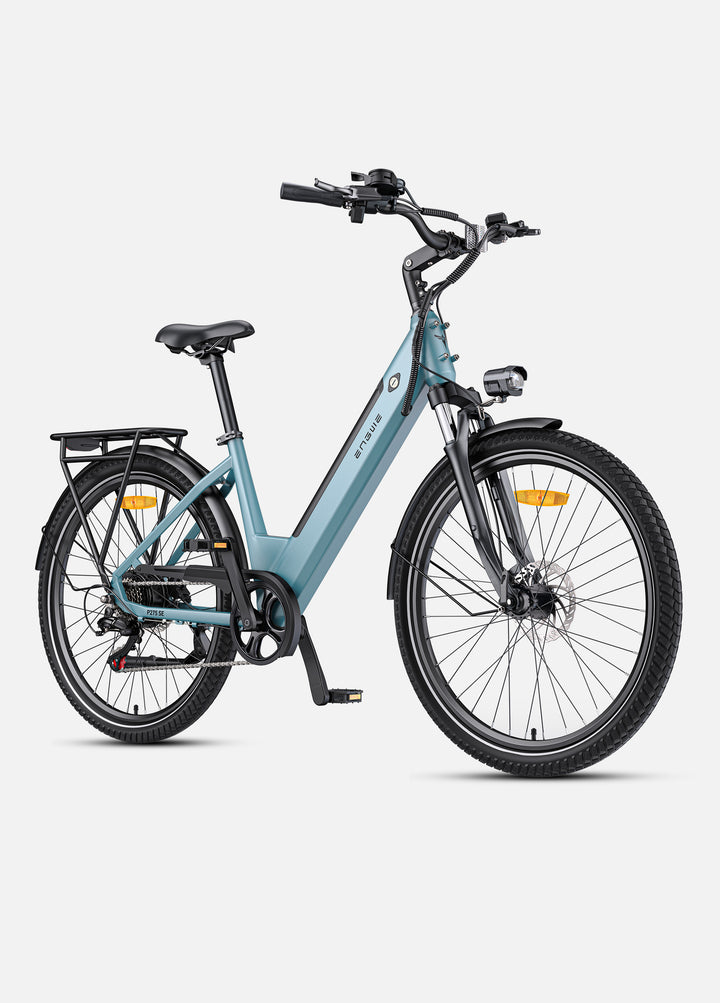
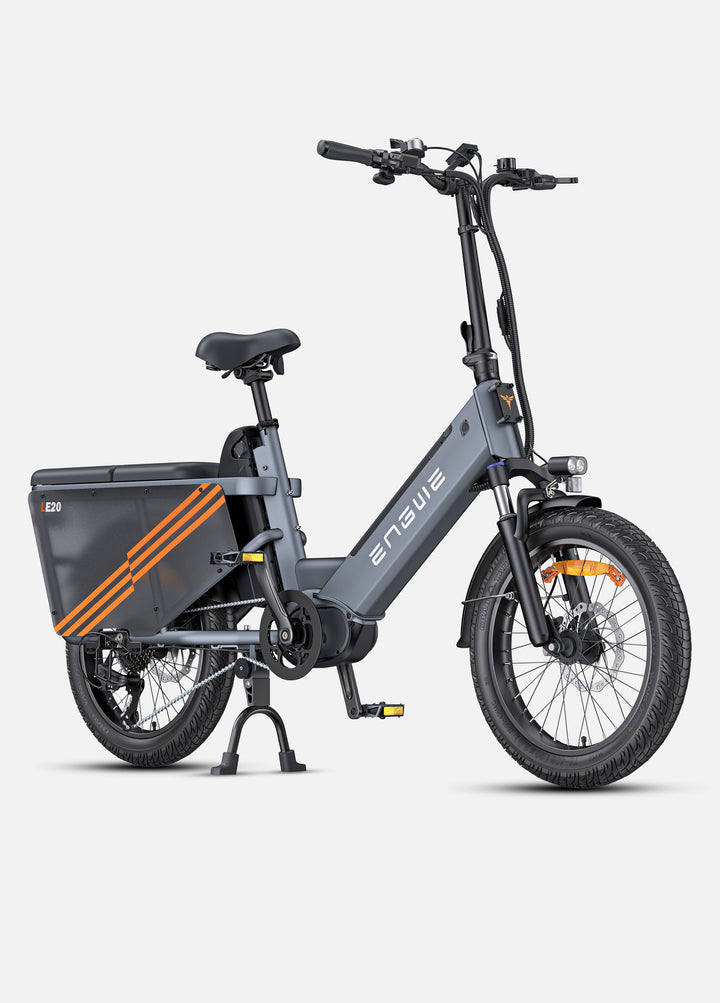
ENGWE's got some great class 2 ebike models. Their electric bike collection highlights the features you can find in today's class 2 electric bikes.
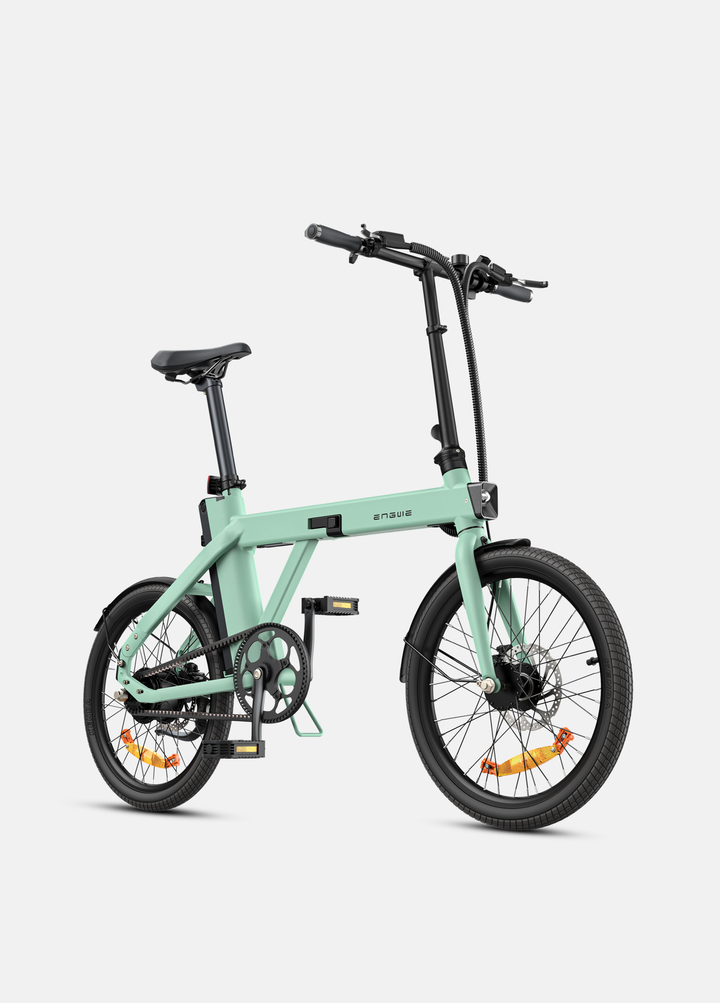
ENGWE X26/X24/X20 series e-bikes have nailed the balance between comfort and regulation. These sleek foldables have top speeds of 25 km/h. Their comfort comes from a triple suspension system that's expertly designed to soak up bumps and potholes. This design meets all the regulatory requirements and sets a new benchmark for e-bikes in its class.

The ENGWE EP-2 Boost e-bike meets EU standards and gets its power from a solid 250W motor. But what really makes it stand out is its clever torque sensor. It detects how hard you're pedaling. With its compact design, it's perfect for navigating crowded city streets. Yet it still has enough oomph for those longer.

The ENGWE L20 3.0 Pro is ENGWE's top-of-the-line compact ebike, packing a 250W mid-drive motor. This motor's central placement provides better balance and traction. The full suspension system also makes for a super-smooth ride, giving riders more control over the bike. One big plus of mid-drive motors is that they work directly with the crank, increasing torque and efficiency.

The ENGWE Engine Pro 2.0 is a high-end ebike that packs a whopping 75Nm of torque in a sleek, foldable design. The robust torque handles steep hills and tough terrain with ease. Plus, the foldable design makes it easy to store and transport, which is a big plus. By getting the balance right between performance and portability, the Engwe Engine Pro 2.0 has become a top choice for class 2 ebikes.

Key Takeaway
Class 2 ebikes have the perfect balance of performance and ease of use, making them ideal for today's riders. They offer a great mix of pedal-assist and throttle modes, and that's why they're the top choice for people looking for mobility options.
Ultimately, Class 2 ebikes are not just for commuting to work or running errands; people love using them for recreational rides too. That's because they offer some real practical advantages.
Frequently Asked Questions
What makes a Class 2 ebike different from other classes?
Class 2 ebikes pair both pedal-assist and throttle features. This combo lets riders cruise along without pedaling up to 20 mph. What sets them apart is this dual capability. This feature mix gives you the ultimate in flexibility.
Do I need a license to ride a Class 2 ebike?
In most US states and many countries, you don't need registration or insurance to ride a Class 2 ebike. But it's still a good idea to check the local rules before heading out.
Can Class 2 ebikes be used on bike paths and trails?
Mostly, Class 2 ebikes are allowed on bike paths and cycling infrastructure that allow regular bikes. There may be some mountain bike trails that don't allow throttle-equipped bikes.
What is the typical range of a Class 2 ebike?
Modern Class 2 ebikes usually get around 40-70 miles per charge, depending on factors like the battery size, the terrain, and the amount of assistance used. Using the throttle alone tends to drain the battery faster. But since most people mix and match these features, they get a pretty practical range.
Are Class 2 ebikes suitable for hills and cargo hauling?
Class 2 ebikes are great for hill climbing and cargo transport. This on-demand motor helps make it easier to tackle tough terrain and heavy loads. It's a really practical feature for people who use their bikes for utility.