Fuji's Electric Bike Philosophy
Decades of history are in Fuji's immense headquarters in Philadelphia, full of engineers looking to factory test the world's most technologically advanced bicycles. With electric mobility now the accepted norm across the globe, Fuji has effortlessly converted this know-how into an impressive roster of electric bikes. A would-be buyer may find the lineup daunting. You want to do more than just get a list of features — you want to feel the experience and understand the feel and the lifetime value of buying a Fuji electric bicycle. This thorough review is intended to cut through the marketing fluff, giving you a clear, in-depth understanding of what Fuji has on offer. We’ll break down their lineup, take a hard look into the riding experience of their most popular e-bikes, and answer the key questions you should be pondering before jumping in, giving you the information you need to select the best electric bike for your lifestyle.
The electric bike range at Fuji is cleverly sectioned off to meet the requirements of a broad range of riders. Their range has been developed and honed to perfection and with city commuter, serious trail blazer and fitness rider covered in every aspect of the range. Here is a detailed description of their series of products:
Mountain E-Bikes:
Fuji Blackhill EVO (Full-suspension Trail/All-Mountain)
Fuji E-Nevada (Hardtail Trail/Recreational Mountain)
All-Road & Gravel E-Bikes:
Fuji E-Jari (Gravel and Adventure)
Fitness & Hybrid E-Bikes:
Fuji E-Traverse (Fitness and Commuting)
Urban & Commuter E-Bikes:
Fuji Conductor (Comfort oriented beater)
Fuji E-Crosstown (Classic Comfort Cruiser)
The Riding Experience: Top Models
Delving into the actual experience of Fuji’s most popular models explains how the brand has become a favorite of many. Let's kick things off with the Fuji E-Traverse, definitely a workhorse of the pack. The E-Traverse makes its versatility known from the first time you swing a leg over it. The riding position is a perfect mix of sporty and sit-up-and-beg, with the height giving you a great view in the city without excessively sacrificing distance-riding efficiency. The power from its hub motor is silky and intuitive, more like a sort of endless shove than a sudden burst, a powerful, consistent tailwind at every pedal stroke. On city streets, it crushes hills and turns stop-start traffic into a breeze. What it does really well, however, is on light trails and gravel paths. The front suspension fork smooths bumps, and the multi-surface tires are grippy and puncture-resistant. The single-speed drivetrain simplifies the shifting process on the trail; it's perfect for any rider who loves one bike for all of their riding, from Monday to Sunday. The attention to detail is evident with a steel frame and fork, as well as the smooth, dependable shifting of its Shimano drivetrain.
Start riding dirty with the Fuji E-Nevada. It’s a great climber as a hardtail e-MTB. The potent motor assistance turns fearsome climbs into manageable – and actually quite fun – bits of the ride. You get the torque kick to help you keep up that momentum and overcome loose terrain. The geometry is confidence-inspiring on descents, with 29-inch wheels that roll easily over obstacles. The E-Nevada frees anyone who is new to mountain biking from the unfair fitness barrier of climbing and lets you focus on learning the skills and getting used to the feel of the trail.
For the city rider, the Fuji Conductor is a lesson in utility and comfort. Its step-through frame makes for easy on-and-off, and it back-pedals, so you don’t have to be scared of the bike lane. Ease-of-use defines the experience. It typically has a top-end mid-mount motor made by Bosch or Shimano STEPS that offers a supremely natural and smooth ride that effortlessly matches the force you apply to the pedals. Lights, stout fenders and a beefy rear rack aren’t afterthoughts, but native parts of its design. It feels secure, stable and empowering when you’re riding the Conductor; it changes a chore of a daily commute into a genuinely enjoyable part of the day.

Choosing Your Fuji: Key Factors
Before deciding on a Fuji electric bike, there are a few important features to take into account, other than the on-paper stats. Read on, as those insights will help steer you in the right direction, towards a bike that is in tune with your lifestyle and riding style.
The first is an honest evaluation of what your primary use case is. Are you riding 10 miles on pavement daily to work, or heading to the forest on the weekend to mountain bike? A city-dwelling model such as the Conductor with built-in utility features would be overkill and less responsive on singletrack, while the E-Nevada's knobby tires and trail geometry would be overwrought on a long road commute. Figuring out whether the bike is categorized as an Urban, Fitness, or Mountain bike that best suits your needs will be the most essential first step.
Secondly, know the difference between the motor systems Fuji uses. They use both hub-drive and mid-drive motors. There are hub-drive systems, frequently seen on bikes such as the E-Traverse, that sit at the center of the rear wheel and push from behind, so to speak. They are considered to be highly abundant and cheap. Mid-drive drivetrains, which the Conductor uses, sit at the crankset and transfer power straight into the chain. The result is a more lifelike, intuitive ride feel that also offers riders individual linear resistance, making the bikes great for out-of-the-saddle hill climbing… and having a more instantaneous feel, responsive to the amount of pressure you apply to each pedal stroke. Your choice here is going to have a big effect on how the bike rides.
And then, think about Fuji’s brand advantage: the dealer network. Unlike a lot of the direct-to-consumer brands, Fuji bikes are also available at local bike shops. This gives you the very valuable opportunity to do a test-ride on various different sizes, get professionally fitted and then also have a local expert to build your bike up, maintain it and support the warranty. It’s peace of mind in the long term, and that is something you can make a substantial addition in your decision-making.
Fuji vs. The Competition
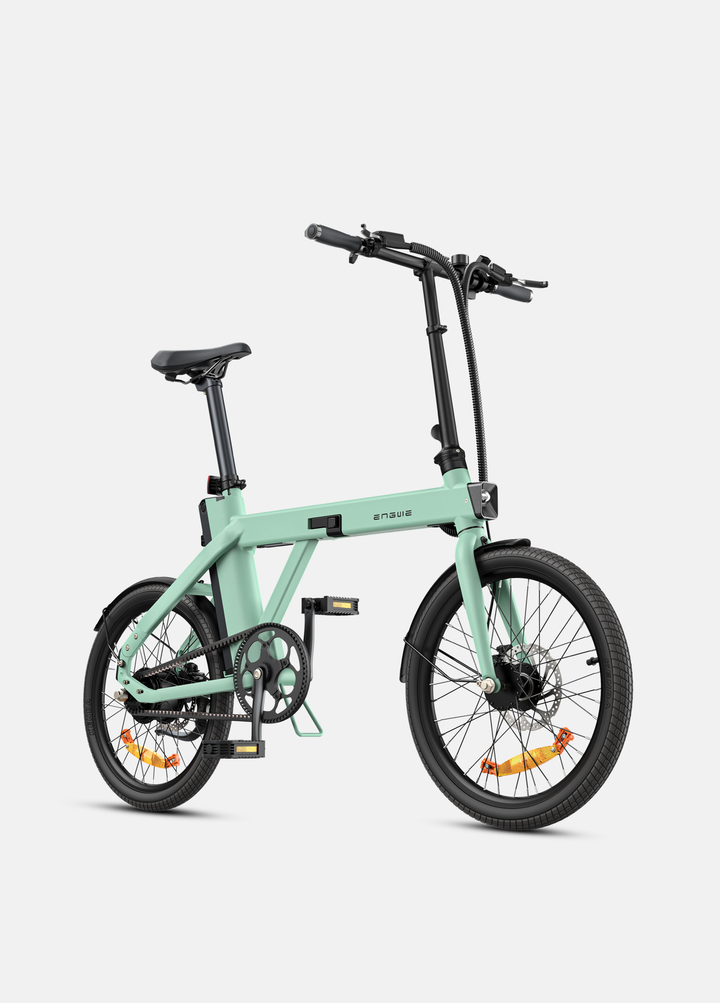
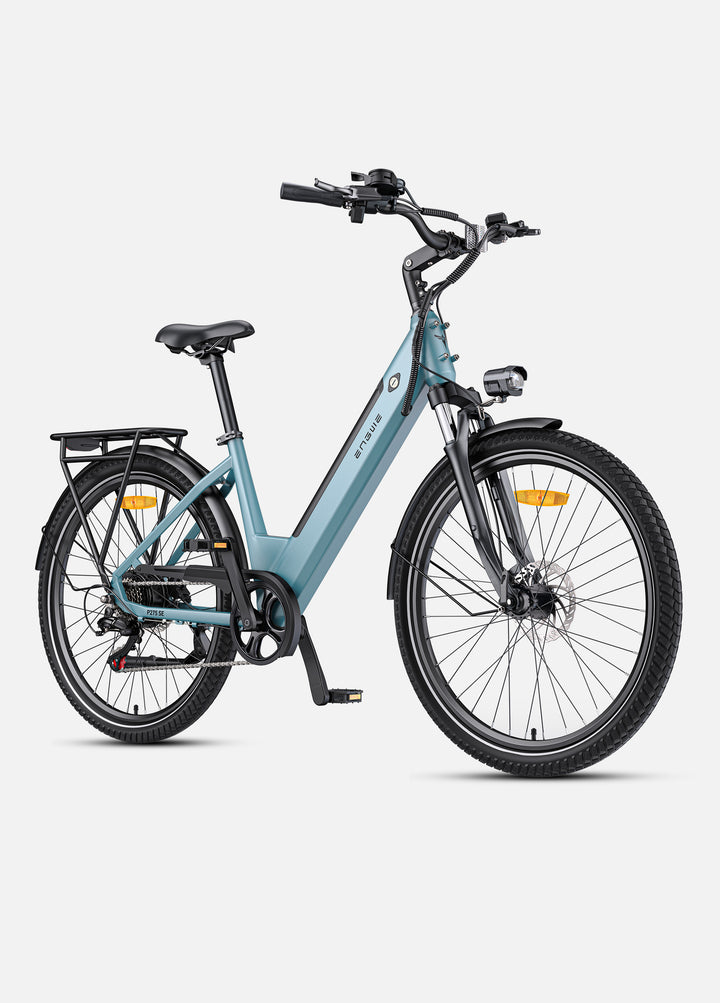
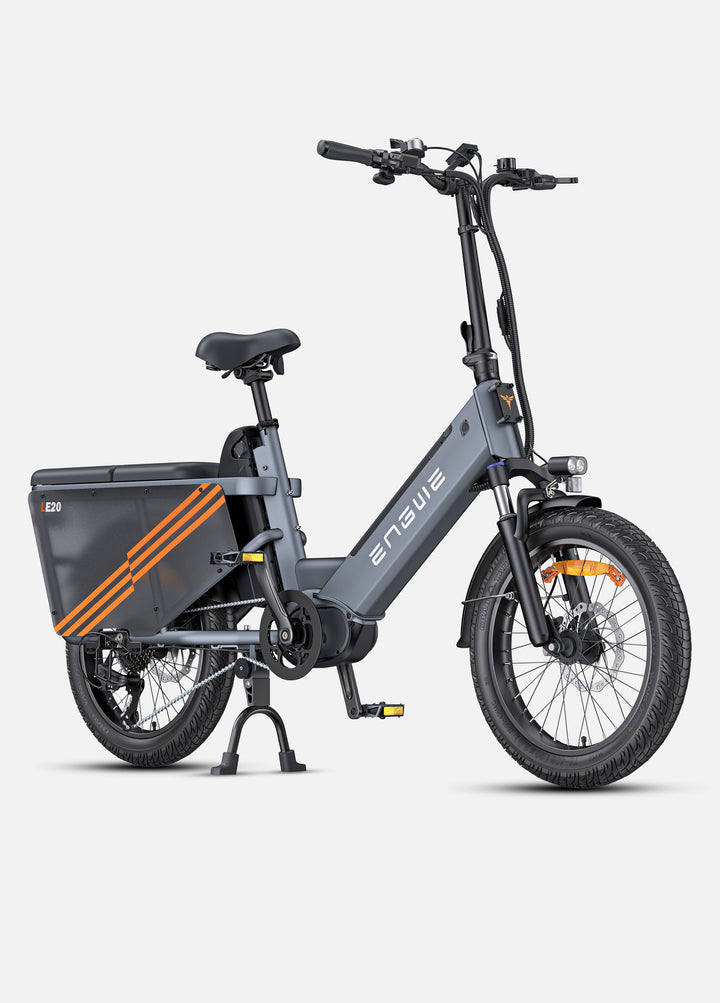
Fuji is the best for these kinds of e-bikes which are made in traditional frame designs and intended for certain cycling disciplines – but, some riders still want some combination of capabilities, especially all-terrain functionality and supreme portability. A brand like ENGWE makes a good alternative for people who want things really compact and foldable and don't mind that much the lack of power and full features.
Their ENGWE EP-2 Boost Fat Tire Folding Electric E-Bike is designed for the commuter and rider seeking the convenience of a folding electric bike with the power to ride the road, trail or beach.

What sets it apart is the durability of its folding mechanism, which makes it possible to be stored in an apartment, office, or even the trunk of a car. The difference here is in its Boost button that can shell out an additional 55 Nm of torque on the fly—meaning faster climbs, faster rides and the kind of intuitive, natural feeling power output best in class for the smart torque sensor, and therefore the 250W motor that provides it. The 20 x 4.0 fat tires and extra comfortable saddle give you the smoothest riding; and then plus-sized tires for excellent stability on every ride from pavement to dirt to sand. This folding electric bike doesn’t sacrifice on practicality, with a top end range of 120 km, a removable 48V 13Ah battery to provide convenient charging, and a 150kg high load. With a 180mm dual disc brake front and rear, robust one-piece wheels, and for the first time a full coverage package with fenders and a rear rack, the EP-2 is really about providing flexibility and do-it-all riding capability to the rider.
To assist in the differences of Fuji's own offerings, here is an in-depth comparison of Fuji's mainstream models according to standard feature sets. This table demonstrates how each bike is really purpose-built for its environment.
| Feature | Fuji E-Traverse | Fuji E-Nevada | Fuji Conductor |
|---|---|---|---|
| Primary Use Case | Yoga Inspired Fitness, Commuting, Easy Trails | Recreational to Intermediate Mountain Biking | Urban Commuting, Errands, Comfort Cruising |
| Frame Type | Diamond or Step-Through | Hardtail Mountain Bike | Low Step-Through Comfort |
| Motor System | Bafang Hub-Drive Motor | Bafang Hub-Drive or Bosch Mid-Drive | Bosch or Shimano STEPS Mid-Drive |
| Motor Feel | Smooth, consistent "push" | Strong assist to climb trail | Natural, intuitive, responsive to pedal input |
| Battery Type | Semi-Integrated Downtube | Semi-Integrated Downtube | Fully-Integrated or Rack-Mounted |
| Suspension | Suspension Fork (e.g., 63mm travel) | Mountain-Only Suspension Fork (e.g., 100mm travel) | Typically a shorter-travel Comfort Suspension Fork |
| Tires | Multi-surface, 700c (such as 45-50mm width) | Off-road knobbed, 29-inch (such as 2.25-inch width) | Wide, puncture-resistant, 27.5-inch (such as 2.4-inch width) |
| Brakes | Hydraulic Disc Brakes | Hydraulic Disc Brakes | Hydraulic Disc Brakes |
| Key Features | Versatility, the right ride position | Trail-tuned geometry, climbing power | Lights, fenders, rack, upright comfort integral |

Fuji E-Bike FAQs
Here are responses to five of the most challenging questions prospective buyers ask about Fuji electric bikes:
What’s the key advantage of buying a Fuji e-bike as opposed to a newer, online-only brand?
The key advantage is the dealer/service infrastructure. When you invest in a Fuji, you really invest in a support system. You can test the bike before you purchase, it will be professionally assembled and tuned, and you will have someone local to deal with any maintenance, repairs, or warranty concerns. That physical proximity offers customer service, convenience and peace of mind that direct-to-consumer brands, even with typically lower prices, cannot replicate. Additionally, Fuji has fine-tuned their frame geometry and handpicked components throughout their long history, so you know that everything will be rock solid and perfectly balanced.
Which is better, a Fuji with a hub-drive or mid-drive motor?
The decision comes down to your style of riding and the terrain you’re tackling. A hub-drive motor (as with many E-Traverse models) in the wheel hub gives the rider a sensation that they're being pushed along. It's great for flatter surfaces and commuting, providing a straightforward, reliable and low-maintenance riding experience. A mid-drive motor (as on the Conductor) is positioned at the pedals and transfers power to the drivetrain. This feels far more like a regular extension of your own pedaling, delivering better balance because the weight is low and centered and also more effective when ascending steep gradients, as it can exploit the bike's gears. Most enthusiasts and people who live in mountainous areas prefer mid-drive as it feels more natural.
What kind of general upkeep does a Fuji electric bicycle need?
Maintenance is pretty much the same as owning a regular bike – with a few important extras. You should still visually inspect tire pressure, brake pad wear, and lubrication of the chain. With the added power and weight, keeping your drivetrain clean and adjusted properly is key. The electric-specific maintenance involves battery storage. Avoid storing it in extreme temperatures and don't leave it fully discharged for long time periods. Occasionally you might want to have a mechanic check the electrical connection and update motor firmware as required. Because Fuji uses industry-standard parts from companies like Shimano and Bosch, any decent bike shop can service their e-bikes.
Is it safe to ride a Fuji Electric Bike in the rain?
Are Fuji Electric Bikes waterproof? The motor with the battery and controller is a sealed unit and is weather-proof, so rain should not do any damage to the unit. However, they are not waterproof. Full submersion and jet washing are a big no-no as it can force water past the seals and mess with the electronics. It is recommended to wipe the bike down after a wet ride, paying particular attention to the chain and electricals to prevent corrosion and maximize life.
How much does the motor assist, really, and is it like riding a motorcycle?
The motor assist is a big help, but it’s not built around the motor like a motorcycle. Fuji e-bikes are equipped with a Pedal Assist System (PAS), which requires pedaling before the motor kicks in. It magnifies your labor, rather than replacing it. You can choose among several levels of assistance; at its weakest it feels like riding with a mellow tailwind, while on potentially knee-busting hills, the highest setting can make them feel nearly flat. You remain in control, you are still exercising, but the system has removed the most punishing spikes of effort. This not only makes cycling more accessible, it enables you go further and faster but ultimately makes it more enjoyable for a broader range of fitness levels.
Fuji provides a reliable, high-performance e-bike for almost any cyclist looking for performance and reliability.