


Best Ebikes
-

Folding Commuter Ebike
-

Cheap Electric Commuter Bike
-

Lightweight Commuter Ebike
-

City Commuter Ebike
-

Electric Bike For Long Commute
-

Electric Mountain Bike For Commuting
-

Women's Electric City Bike
-

Commuter Road Bike


-
Electric Folding Bikes


offL20 3.0 Boost
250W 75Nm Boost Power Full Suspension Compact E-bike
Shop Now€1,399.00€1,499.00Unit price /Unavailable


offL20 3.0 Pro
250W 100Nm Mid-drive Motor Full Suspension Compact E-bike
Shop Now€1,699.00€1,799.00Unit price /Unavailable-
Fat Tire Electric Bikes
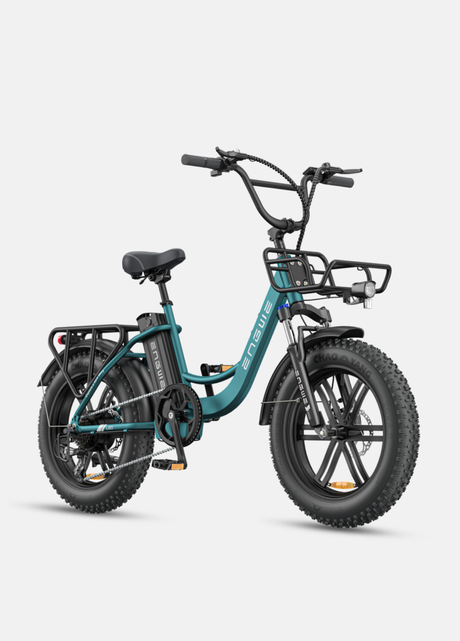


-
Electric Cargo Bikes
-
offL20 3.0 Boost
250W 75Nm Boost Power Full Suspension Compact E-bike
Shop Now€1,399.00€1,499.00Unit price /Unavailable -
offL20 3.0 Pro
250W 100Nm Mid-drive Motor Full Suspension Compact E-bike
Shop Now€1,699.00€1,799.00Unit price /Unavailable -
-
Electric Commuter Bikes
-


offENGWE N1 Pro
250W Mid-drive Motor, 80Nm Torque Carbon Fiber City E-bike
Shop Now€1,599.00€2,899.00Unit price /Unavailable


off-


off-
offL20 3.0 Boost
250W 75Nm Boost Power Full Suspension Compact E-bike
Shop Now€1,399.00€1,499.00Unit price /Unavailable -
offL20 3.0 Pro
250W 100Nm Mid-drive Motor Full Suspension Compact E-bike
Shop Now€1,699.00€1,799.00Unit price /Unavailable -
-
Step Over Electric Bikes


offENGWE N1 Air
250W Ultra-lightweight 100KM Long Range Carbon Fiber City E-bike
Shop Now€1,249.00€1,799.00Unit price /Unavailable-
offENGWE N1 Pro
250W Mid-drive Motor, 80Nm Torque Carbon Fiber City E-bike
Shop Now€1,599.00€2,899.00Unit price /Unavailable 


offENGWE P275 Pro
250W Bafang Mid-drive Motor 65NM Torque Step Over Commuter E-bike
Shop Now€1,099.00€2,199.00Unit price /Unavailable-
Step Thru Electric Bikes
-
offENGWE N1 Air
250W Ultra-lightweight 100KM Long Range Carbon Fiber City E-bike
Shop Now€1,249.00€1,799.00Unit price /Unavailable -
off 


offENGWE P275 ST
250W Ananda Mid-drive Motor 70NM Torque Step Thru Urban E-Bike
Shop Now€1,199.00€1,899.00Unit price /Unavailable-
offL20 3.0 Boost
250W 75Nm Boost Power Full Suspension Compact E-bike
Shop Now€1,399.00€1,499.00Unit price /Unavailable -
-
Lightweight Electric Bikes
-
-
offENGWE N1 Air
250W Ultra-lightweight 100KM Long Range Carbon Fiber City E-bike
Shop Now€1,249.00€1,799.00Unit price /Unavailable -
off -
Electric Bikes Combo


offP275 SE Combo
250W Motor Smart Torque Sensor 100km Range All-Weather City E-Bike
Shop Now€1,948.00€2,998.00Unit price /Unavailable


Frequently Asked Questions
What is an urban e-bike?
What is an urban e-bike?
An urban e bike is an electric bike created in densely populated urban regions with a focus on lightweight manufacturing, high acceleration, and mobile accessories connected to meet the requirements of transit in urban areas.
- Integrated Utility Components: The typical features of the standard configurations include the factory-fitted fenders, high-visibility LED lighting, and cargo racks to transport light cargo.
- City-Specific Handling: Designed with a short wheelbase and with fork trail (usually 40mm to 80mm) that give it the manoeuvrability that is required in city streets.
- Low-Maintenance Systems: Many urban models that use internal gear hubs or carbon-belt drives to guarantee a clean, durable drivetrain that needs very little mechanical servicing.
- Recommended Models: ENGWE N1 Air and ENGWE N1 Pro are some of the models that stand to recommend as the best urban electric bikes concerning design, quick handling, and practical uses in urban areas.
An urban e bike is an electric bike created in densely populated urban regions with a focus on lightweight manufacturing, high acceleration, and mobile accessories connected to meet the requirements of transit in urban areas.
- Integrated Utility Components: The typical features of the standard configurations include the factory-fitted fenders, high-visibility LED lighting, and cargo racks to transport light cargo.
- City-Specific Handling: Designed with a short wheelbase and with fork trail (usually 40mm to 80mm) that give it the manoeuvrability that is required in city streets.
- Low-Maintenance Systems: Many urban models that use internal gear hubs or carbon-belt drives to guarantee a clean, durable drivetrain that needs very little mechanical servicing.
- Recommended Models: ENGWE N1 Air and ENGWE N1 Pro are some of the models that stand to recommend as the best urban electric bikes concerning design, quick handling, and practical uses in urban areas.
What is a commuter electric bike?
What is a commuter electric bike?
Commuter e-bikes are designed to be functional and repetitive in mode of transportation and not specially designed to be either recreational or race-oriented.
- Reliability Standards: These commuter e bike major in reliable drive-trains and weather-proof electronics to ensure reliable performance in all weather conditions.
- Mechanical Assistance: They allow riders to appear professional without overusing physical effort through the utilization of motor output to overcome the wind resistance and gradient effect.
- Performance Metrics: The common top speed is between 25 km/h (EU standard) and 28 mph (Class 3 US standard), meaning that the riders can blend well with traffic flows in cities.
- Relevant Models: Such models as ENGWE P275 SE and ENGWE P275 ST represent examples of commuter electric bicycles that can be used in everyday urban life.
Commuter e-bikes are designed to be functional and repetitive in mode of transportation and not specially designed to be either recreational or race-oriented.
- Reliability Standards: These commuter e bike major in reliable drive-trains and weather-proof electronics to ensure reliable performance in all weather conditions.
- Mechanical Assistance: They allow riders to appear professional without overusing physical effort through the utilization of motor output to overcome the wind resistance and gradient effect.
- Performance Metrics: The common top speed is between 25 km/h (EU standard) and 28 mph (Class 3 US standard), meaning that the riders can blend well with traffic flows in cities.
- Relevant Models: Such models as ENGWE P275 SE and ENGWE P275 ST represent examples of commuter electric bicycles that can be used in everyday urban life.
How to choose an urban bike?
How to choose an urban bike?
The selection of the most appropriate urban ebike will require a technical evaluation of personal logistical factors and terrain demands:
- Storage and Portability: To the user having a smaller area indoors or need to travel through multiple modes, the ENGWE P20 has a light, foldable, aluminum chassis, making storage significantly easier.
- Drivetrain Sophistication: In hilly urban markets, a mid-motor drive, such as in the ENGWE N1 Air, is better since it makes use of the internal gearing in the bicycle to optimise torque efficiency.
- Braking Performance: Since traffic conditions in urban areas are unpredictable, models with hydraulic disc brakes will offer the most responsive braking capacity under wet and dry conditions.
The selection of the most appropriate urban ebike will require a technical evaluation of personal logistical factors and terrain demands:
- Storage and Portability: To the user having a smaller area indoors or need to travel through multiple modes, the ENGWE P20 has a light, foldable, aluminum chassis, making storage significantly easier.
- Drivetrain Sophistication: In hilly urban markets, a mid-motor drive, such as in the ENGWE N1 Air, is better since it makes use of the internal gearing in the bicycle to optimise torque efficiency.
- Braking Performance: Since traffic conditions in urban areas are unpredictable, models with hydraulic disc brakes will offer the most responsive braking capacity under wet and dry conditions.
What does urban commuting mean?
What does urban commuting mean?
Urban commuting refers to the daily commuting between residential and urban centres intended to carry out work, education, or logistics purposes. When applied to e-mobility, it means shifting towards “active transportation” that provides several essential benefits:
- Time Predictability: E-bikes help riders avoid the localized traffic congestion, which often leads to more predictable arrival times compared to automobiles.
- Resource Efficiency: The energy per-mile costs are significantly lowered, and urban parking charges are eliminated.
- Environmental Responsibility: A significant decrease in air pollution by carbon footprint and noise levels in relation to internal combustion engine vehicles.
Urban commuting refers to the daily commuting between residential and urban centres intended to carry out work, education, or logistics purposes. When applied to e-mobility, it means shifting towards “active transportation” that provides several essential benefits:
- Time Predictability: E-bikes help riders avoid the localized traffic congestion, which often leads to more predictable arrival times compared to automobiles.
- Resource Efficiency: The energy per-mile costs are significantly lowered, and urban parking charges are eliminated.
- Environmental Responsibility: A significant decrease in air pollution by carbon footprint and noise levels in relation to internal combustion engine vehicles.
What is the difference between a road bike and an urban bike?
What is the difference between a road bike and an urban bike?
Both are designed to be used on paved surfaces; however, their design purposes are very different:
- Ergonomics and Visibility: Urban bikes have an upright geometry to help them become more visible in traffic, whilst road bikes have a more aggressive, aerodynamic geometry known as the “drop” that focuses on raw speed.
- Durability and Comfort: Urban e bike have wider tires (30⁻ 40mm) and padded saddles to reduce vibration of the road caused by rough pavements or potholes. Road bikes are designed with a focus on the lightweight performance of the bike, using narrow and high-pressure tires.
- Utility Integration: Urban bicycles also have standardized mounts to fit fenders and cargo systems that are usually not present on road-specific models to minimize net weight.
Both are designed to be used on paved surfaces; however, their design purposes are very different:
- Ergonomics and Visibility: Urban bikes have an upright geometry to help them become more visible in traffic, whilst road bikes have a more aggressive, aerodynamic geometry known as the “drop” that focuses on raw speed.
- Durability and Comfort: Urban e bike have wider tires (30⁻ 40mm) and padded saddles to reduce vibration of the road caused by rough pavements or potholes. Road bikes are designed with a focus on the lightweight performance of the bike, using narrow and high-pressure tires.
- Utility Integration: Urban bicycles also have standardized mounts to fit fenders and cargo systems that are usually not present on road-specific models to minimize net weight.

