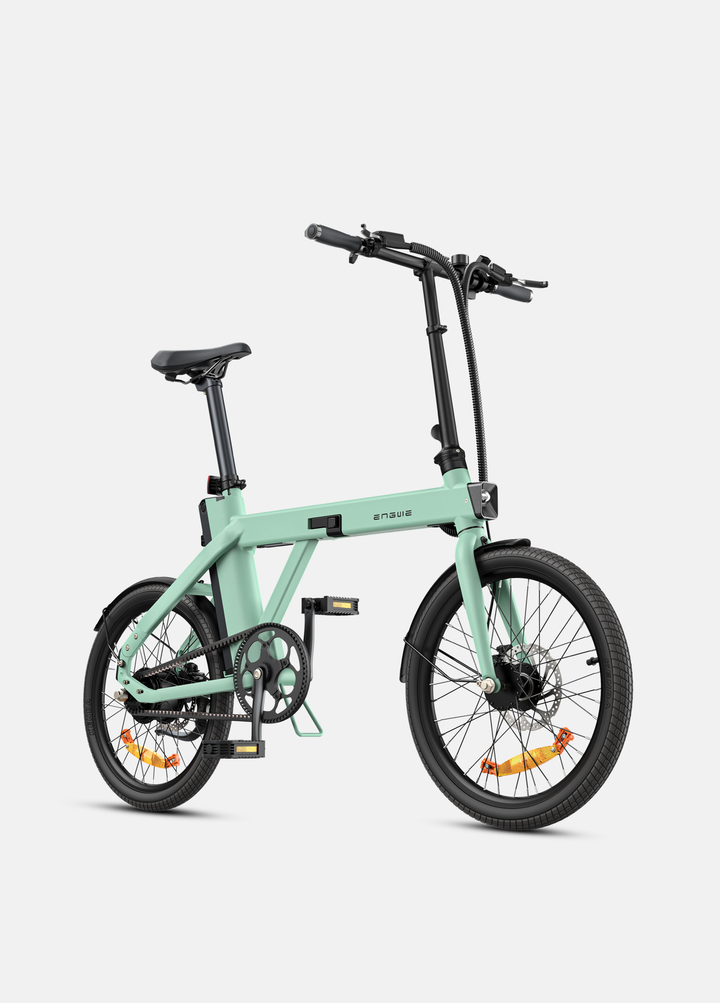
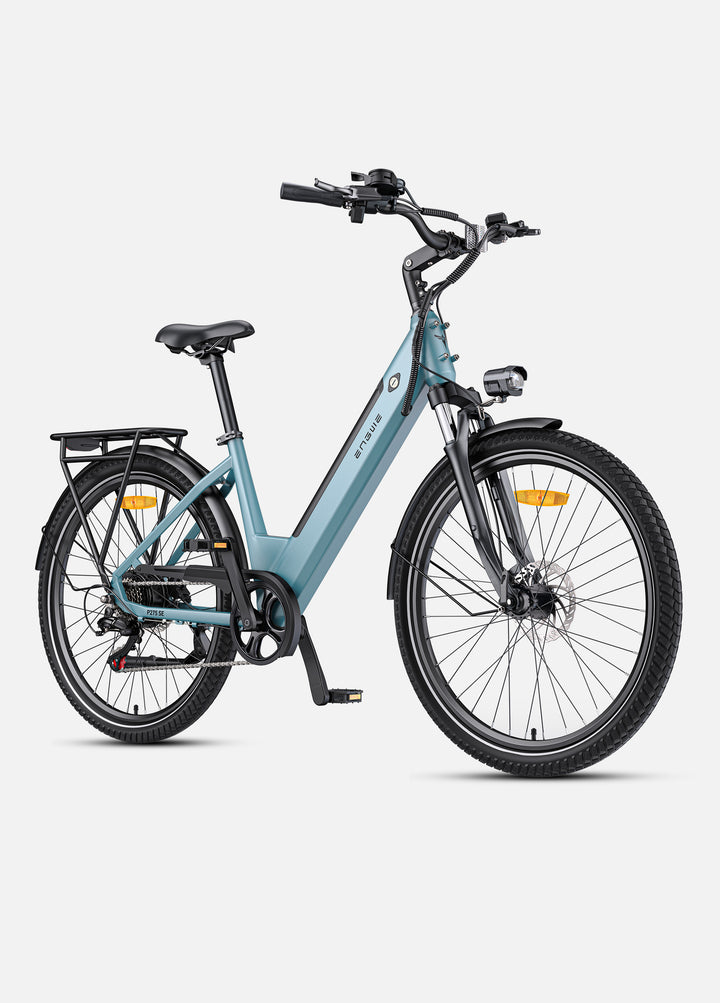
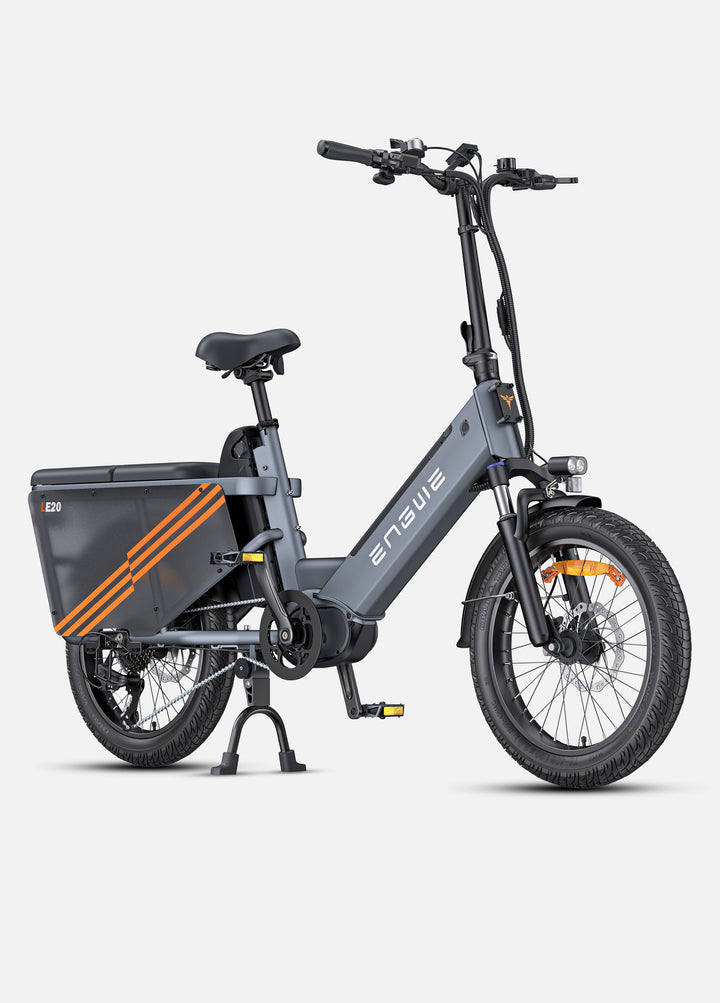
It may seem that there is no clear-cut answer to which type Class 1 ebike and a Class 3 ebike is better or worse given various speed limits, regulations of riding, and application. They both are pedal-assist electric bikes, though they are not intended to ride in the same manner. The knowledge of the nature of the ebike classes will assist riders to choose the most safe and convenient type to commute or ride the trails, or in daily life.
In this article, you will learn what is a Class 1 ebike entails and its differences with Class 3, its areas of application, and what the features of pedal-assist will serve your life, your local area, the territory, and your local laws and regulations best.

What Is a Class 1 Ebike?
An Class 1 ebike is a pedal-assist electric bike which offers motor support only when pedaling and stops at 20 mph (32 km/h). It has no throttle, and therefore it is the most acceptable type of ebikes in bike routes and common trails.
The official Class 1 ebike definition is concerned with safety, access and trail compatibility. Due to its controlled assist and lower speed, a Class 1 electric bike can be ridden almost anywhere that regular bicycles can be ridden.
Key characteristics of an ebike Class 1 include:
- Pedal assist only (no throttle)
- Class 1 ebike speed: up to 20 mph
- Smooth, natural riding feel
- Broad access to bike paths and trails
When people wonder how fast does a Class 1 ebike go, the answer is that the motor assistance reaches the mark of 20 mph; however, the riders can bike faster without it.

Understanding Ebike Classes (Class 1, 2, and 3)
Contemporary laws classify electric bikes into three groups referred to as ebike Classes. This is an aid to the cities to manage speed, safety, and access by this ebike Class 1 2 3 system.
- Class 1 ebike: Pedal assist without a maximum speed
- Class 2 ebike: Pedal assist + throttle, up to 20 mph
- Class 3 ebike: Pedal assist only up to 28 mph
This is the reason that ebike Class 1 2 3 designates certain bikes to trail usage whereas others are confined to roads and bike lanes.
Class 1 Ebike vs Class 3: Key Differences
The reason why the argument between Class 1 vs Class 3 ebike is primarily based on speed and access. Although both are pedal assist, they are used by different riders.
|
Feature |
Class 1 Ebike |
Class 3 Ebike |
|
Motor assist limit |
20 mph |
28 mph |
|
Throttle |
No |
No |
|
Trail access |
Widely allowed |
Often restricted |
|
Best use |
Trails, leisure, fitness |
Commuting, road riding |
Class 1 vs Class 2 comparison of an ebike normally gives an advantage to Class 1 in trail riding, whereas Class 1 vs Class 2 e-bike riders are more inclined towards throttles in casual riding. Nevertheless, Class 1 vs Class 3 ebike is approximately a decision of access versus speed.

Best Class 1 and Class 3 Ebikes Worth Considering
In picking the appropriate ebike, it will depend on the place of your riding, the speed you would wish to attain and the rules in your locality. The next Class 1 and Class 3 ebikes indicate the stable choices of commuting, fitness, and daily pedal-assist ride.
ENGWE P275 Pro – Class 1 Pedal-Assist Electric Bike
ENGWE P275 Pro is an excellent representation of one of the best Class 1 electric bikes to use on a regular basis. Its Bafang mid-drive motor and torque sensor provide some smooth and natural pedal assistance up to 20 mph, which makes it suitable in urban commuting, fitness rides, and joint bike paths.
The balanced frame, handling, and effective range of this ENGWE electric bike makes it a reliable Class 1 that can be used on a daily basis.


Specialized Turbo Vado – Class 3 Electric Bike
Specialized Turbo Vado is a Class 3 electric bike, with pedal assistance reaching 28 mph (45 km/h). It has a high-performance mid-drive motor and is not dependent on a throttle to increase speed, which makes it unlike Class 2 ebikes.
The Turbo Vado is built to be used as a fast-commuting and fitness bike and is intended to be used by riders who desire greater speeds on the road, as well as being able to comply with Class 3 laws of electric bikes, which may additionally require helmets and road use.

Trek Verve+ – Class 1 Electric Bike
The Trek Verve+ is a Class 1 ebike, (i.e., does not include pedal-assist at all, but instead, the motor support stops at 20 mph 32 km/h). This layout complies with laws concerning shared-use paths and trails, so it is an easy choice in commute and fitness-based urban cycling.
Instead of being about speed, the Verve+ is all about comfort, stability, and the sense of natural pedalling, which will suit those riders wishing simplicity and wide access to riding.

ENGWE L20 Boost – Class 3-Style Urban Electric Bike (EU-Compliant)
ENGWE L20 Boost is anClass 3-style electric bike that fits EU standards with 250W of power with pedal assist up to 25km/h. It has a spectacular riding range of up to 126 km, fat tires to enhance its stability, and a torque sensor that enables it to accelerate smoothly on the road which is easy to use in the EU states.


Giant Roam E+ – Class 1 Electric Bike
The Giant Roam E+ is always considered a Class 1 electric bike, which only provides pedal-assist with a top speed of assistance of 20 mph (32 km/h) and no throttle. It is a hybrid bike that combines the efficiency of a road-bike with the light trail performance, which allows it to be an all-in-one bike that allows the rider to be more flexible without having to ride at a faster pace.
Following Class 1 guidelines, the Roam E+ will be accepted in a wide variety of bike routes and mixed routes.

Where Can You Ride Class 1 vs Class 3 Ebikes?
The location where one can ride each of the two models is one of the largest differences between a class 1 ebike and a Class 3 one. Due to the fact that Class 1 ebikes offer pedal assist to a maximum speed of 20 mph and lack a throttle, they are well accommodated on recreational roads. The majority of areas permit Class 1 ebikes within bicycle routes, greenways, shared-use trails, park routes and even several mountain biking or mixed-use trail systems.
Class 3 ebikes, in their turn, are made to travel faster and are typically limited to the road setting. Such bikes can be normally used on the main roads, bike lanes, and other urban or suburban commuting roads where the more assisted speed of 35mph is enabled.
Because of their assist limit of 28 mph, Class 3 models are frequently restricted to shared paths and recreational trails, which will make access rules a significant consideration in the selection of the two classes.
Conclusion
The decision of whether to get a Class 1 ebike or a Class 3 ebike relies on the mode of transportation and the location. A 1-electric bicycle gives the widest access, control, and natural peddling experience thus it is suited in the trails and recreational riding.
In the meantime, Class 3 models are faster to facilitate commuting. The knowledge of the ebike classes will guarantee that you have a bike that fits your requirements, meets the local regulations, and will be complementary to your rides.
Frequently Asked Questions
What is a class 1 ebike?
An ebike of Class 1 is a pedal-assist electric bike that does not have throttle, and only offers motor support during pedaling up to a maximum of 20 mph.
How fast does a Class 1 ebike go?
Class 1 ebike obtains an electric support up to 20 mph; they can ride at high speed, however, the motor support will automatically switch off at 20 mph.
Is a Class 1 e-bike superior to a Class 2 e-bike?
A Class 1 ebike can be a good option in the case of shared ways and routes, as access rights are less restricted, easier to manage, and the bike does not violate most laws.
Is a Class 1 ebike commuter friendly?
Aebikes, yes a Class 1 one is good with short to medium commutes, particularly where there is trail access, bike lanes, and reduced speed limits are significant.