The Ultimate Off-Road Ride: Understanding Torque Sensors and Fat Tires
The perfect fat tire electric bike is all about unlocking the potential that you hold inside while being active outdoors, and we’re pleased to introduce you to the perfect one today! The torque sensor is the secret ingredient — a technology that turns your e-bike from nothing more than a motorized bike into practically an extension of you and how hard you want to work. This article will guide you through the important aspects of choosing the perfect fat tire electric bike with a torque sensor for inspiring performance, all-terrain versatility, and an intimately intuitive ride every time when you hit your favorite trail, beach, or mountain pass.
A torque sensor and fat tires make for the ultimate off-road ride. A torque sensor gauges how hard you’re pushing on the pedals and provides matching motor assist in real time. This is nothing like a cadence sensor, which only can tell if you are pedaling and gives you a steady state of fixed power. This makes a huge difference in ride quality. The first step in selecting the right e-bike technology is understanding this core technology.
Torque Sensor Advantages:
Intuitive and Natural: Feels just like a more powerful you, like that natural talent for winning or resting heart rates below 30 (also not recommended). Push harder if you want more power; ease off for less.
More Control: On loose surfaces like gravel or snow, the instantaneous on/off of a cadence sensor can result in wheelspin. A torque sensor allows you to modulate how much power is going out.
More Efficient & More Range: By delivering only the power you need, a torque sensor saves battery life – resulting in a significant increase in range as compared to technologically similar cadence-based systems.
A Real Workout: Your power puts you in control, with every good decision yielding positive results - a better workout from your efforts.
The Torque Sensor for Your Fat Tire Needs:
Take on Tough Terrain: Fat tires are designed for sand, snow, mud, and trails. A torque sensor means you can feather the power in just right to keep traction and momentum up without spinning your wheels.
Weight & Drag Consideration: Due to their design, fat tire e-bikes are heavier and have increased rolling resistance. Juggling this additional effort is effortless thanks to a torque sensor, especially at a standstill and up steep hills.
Pro Tip for Buyers:
When test riding, pay attention to how the bike gets itself moving from a stop. A torque-sensor e-bike will ride smoothly and in a way that feels responsive, while cadence-sensor models could feel jerky, even as they lurch forward. And this first impression is very revealing of how the bike rides in general.
Spotlight on Innovation: The ENGWE L20 Boost
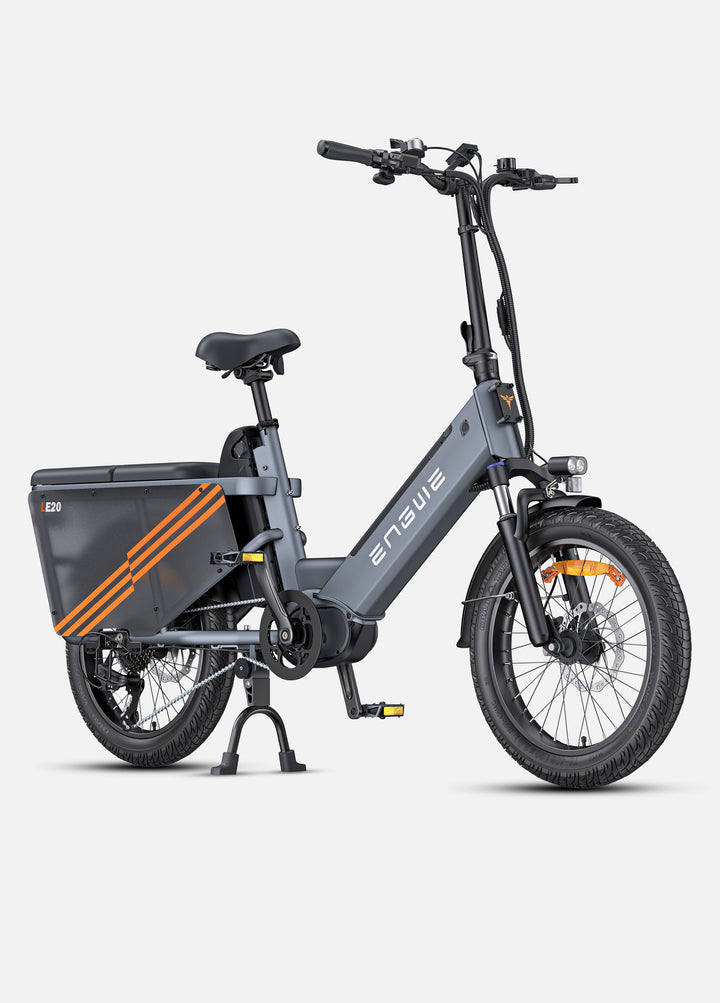
Looking to the future of this technology, ENGWE has crafted for you a sensor that powers entire devices, adding more utility to your ride. Their dedication to making the rider feel more unique is now expressed perfectly in the ENGWE L20 Boost, a bike that has been designed to bring out all that’s amazing in the experience of riding fat tires with a torque sensor. Performance touring. All in all, it’s the perfect bike for riders that not only want to get out and cruise but also want to go places. ENGWE designed this bike to not only get you from A to B, but for the journey between those two points to be an adventure.
Meet the ENGWE L20 Boost:

The heart of the L20 Boost is its super-responsive torque sensor. You have to push it harder and commit before you get rewarded. It's a great, well-balanced pedaling platform that is very plush-feeling on the track. It has amazing suspension travel, and it allows you to ride very hard without blowing up pedals. With a U-turn remote lockout, it can perform equally on XC as well as DH. Great balance between performance in uphill sections. It is perfectly suited for mountain biking. The bike is a real pleasure to use.

Power When You Need It:
Interestingly, there's a very low 250W brushless motor on this bike, but it also comes with the impressively placed Power-Boost Button. Just press it and it releases an incredible 75Nm of torque out onto the trail, challenging climbs become a breeze and there's lightning-fast acceleration where you need it.
All-Terrain Dominance:
The L20 Boost is equipped with oversized 20 x 4.0 fat tires that deliver superior stability and grip on all types of terrain, including everything from city sidewalks to dirt trails. The front suspension fork with 50mm of travel helps to absorb bumps and makes the ride feel even smoother.
Stylish & Unique:
This urban electric bike is made entirely of aluminum alloy and features an LED headlight and red taillight, a Shimano 7-speed transmission system, a five-level assist regular mode, and one level of assist power mode. The battery can be removed and charged separately in approximately 6.5 hours.
All About Utility:
This isn’t just a bike — it’s a utility vehicle. It also features a heavy-duty front basket (10 kg carrying capacity) and robust rear rack (25 kg carrying capacity) so you can haul everything you need whether you’re on errands, on your way to work, or coming back from an afternoon cruise.
High-Quality Features:
This L20 Boost combines a durable, reinforced aluminum frame with plenty of lightweight parts to rack up the miles. It features a powerful Shimano 7-speed drivetrain for fast, easy shifting and awesome stopping power from the 160mm front and rear mechanical disc brakes.
Owner's Tip: Tire Pressure:
To maintain the best performance of your fat tires, you can adjust tire pressure. For soft surfaces, such as sand or snow, reduce the pressure for a larger contact patch and to float a little more. Increase the pressure on hard pavement for decreased rolling resistance and increased efficiency.

Decoding the Specs: A Buyer's Guide to E-Bike Performance
Considering the fact that there is more than one model, you will have to analyze multiple key performance data in order to end up with an electric bike that suits you best. These specifications are dictating the power, life, and safety of the bicycle. A critical buyer sees through the hype and knows what these numbers mean on a practical rather than theoretical level. By focusing on these elements, you can find the best machine for a good price that won’t need to be replaced in a few years.
Motor Power (W) vs Torque (Nm):
Watts (W): This shows the continuous power produced by the motor. More watts are typically better for top speed and sustained performance.
Torque (Nm): This is the most important one for fat tire e-bikes. Torque is the horsepower of the motor, or its “pulling power.” Lots of torque is necessary for fast starts and hill climbing, especially on a heavier bike. Opt for a lot of torque if you plan on off-road usage.
Battery Capacity and Actual Range:
Volts (V) and Amp-hours (Ah): Volts are like the “pressure” and Amp-hours can be thought of as the “fuel tank size.”
Watt-hours (Wh): This allows you to make cleaner and fairer comparisons of capacity. You can figure it out by multiplying Volts by Amp-hours (V x Ah = Wh). The higher the Wh number, the greater the potential range. Look for batteries with cells from a name-brand manufacturer such as Samsung, LG, or Panasonic.
Braking Systems:
Mechanical Disc Brakes: Actuated by cable. They are solid and require little maintenance but don't offer as much stopping power or modulation.
Hydraulic Disc Brakes: Applies fluid directly to the calipers. They have significantly better stopping power, more feel, and self-adjust for pad wear. For these heavy, fast fat tire e-bikes, hydraulic brakes represent a substantial safety and performance improvement.
Suspension:
Front Suspension (Hardtail): Front suspension absorbs impacts to improve handling and control while riding off-road. This is the most popular and useful configuration.
Full Suspension: Both front and rear suspension. Provides the highest level of comfort but adds weight, cost, and maintenance complexity.
Beyond the Specs: Key Features and Other Top Models
Yes, you do need to care about the big specs, but it’s the little things that will make your day-to-day life more enjoyable. Also, it’s nice to know there are other trusted options out there that also contain this desirable tech. These features can make the difference between a good bike and a great one, and may even include accessories that prevent you from having to spend extra money in the long run.
Things to Inspect on the Bike:
Drivetrain: Go for reputable brand parts, such as Shimano or SRAM. It's not really about the number of gears, so much as how good and how smoothly they shift.
Display: You need a distinct, backlit LCD display so you can easily see your speed, battery levels available to use, distance cycled, and PAS level.
Accessories: Does the bike include fenders, integrated front and rear lights, and a rear rack? Purchasing these separately can quickly become costly.
Other Good E-bikes with Torque Sensors:
Aventon Aventure: The sleekly designed legend with a strong hub motor; it fits electronics into the longboard well.
Rad Power Bikes RadRover 6 Plus: A top seller with a redesigned frame and hydraulic brakes that represent a strong all-rounder.
Himiway Cobra Pro: With an exclusive full-suspension design and powerful mid-drive motor, offering a high-level performance for off-road riding.
| Model | Type of Motor | Special Feature |
|---|---|---|
| Aventon Aventure | Rear Hub Motor | Integrated Battery & Color Display |
| RadRover 6 Plus | Rear Hub Motor | Hydraulic Brakes and Custom Gear Ratio |
| Himiway Cobra Pro | Mid-Drive | Four-Bar Linkage Full Suspension |

Long-Term Ownership: Maintenance and Care for Your E-Bike
Ultimately, the smart purchase also means considering long-term ownership and maintenance. Your relationship with your e-bike doesn’t stop at checkout. The right care and regular maintenance will help protect your investment and maximize its lifespan, while also making sure that you stay safe in the saddle with a bike that runs trouble-free for thousands of miles. Failing to do so can result in expensive repairs and a less enjoyable ride.
Initial Setup:
Professional Assembly: If you are not a bike professional, take your e-bike to a local bike shop for pro assistance. It also ensures that everything is tightened to the correct torque specs and properly adjusted for safety.
It’s About Battery Health:
Charging Habits: Do not discharge the battery to 0% every time. For extended storage (longer than a couple of weeks) keep the battery at around a 40-80% charge level in a cool, dry place.
Don’t Subject to Temperatures: Don't charge your battery below freezing or store it in temperatures above 140°F, as doing so will permanently damage the cells.
Routine Check-ups:
Tire Pressure: Verify you are running the correct pressure in your tires prior to every ride. It’s the absolute easiest thing you can do to fend off flats and get the most out of your tires.
Brakes: Always check brake pads for wear and feel your brakes to make sure they are firm and responsive.
Chain Care: A cleaner and oiled chain provide you with reliable shifting, reduced wear on your drivetrain, and the likelihood of a longer-lasting chain.
Quality Check Tip:
Perform a "bolt check" before the very first ride. Check all nuts and bolts of the bike—particularly handlebars, stem, seat post, and wheels—from shipping.
Frequently Asked Questions
Why is a torque sensor important on a fat tire e-bike?
A torque sensor is important as it supplies direct power that is proportional to your pedaling. Translated to heavy fat tire bikes that traverse across various surfaces, this means smooth power for climbing mountains, precision control so wheel slippage doesn’t occur on gravel or snow, and perhaps a bit more battery efficiency resulting in something we believe is a safer, more intuitive, and longer-lasting ride.
Which feature of a fat tire e-bike is most underrated?
The brakes are generally the least thought-about, yet key feature. While most buyers concentrate on motor power and battery range, the additional weight and speed of a fat tire electric bike require good, strong, reliable stopping power. Going from regular disc brakes to hydraulic is one of the biggest safety and performance upgrades you can do.
How can I increase the distance that my electric bike will go on a single charge?
Strategizing can get you a lot more range, however. Use as low a pedal-assist level as you can whenever conditions allow as higher levels deplete the battery more quickly. Keep the tires inflated to their recommended pressure level, since underinflated tires cause more rolling resistance. Finally, pedal gently and anticipate stops to avoid hard acceleration, which uses the most energy. Armed with this information, you are now ready to find a vehicle to suit your needs.