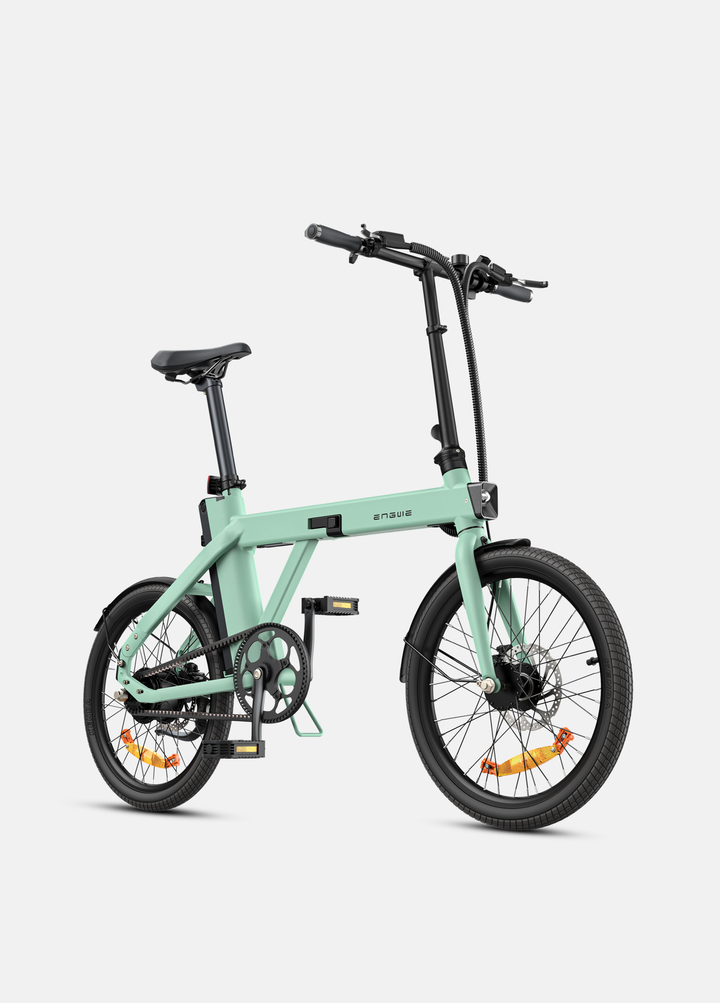
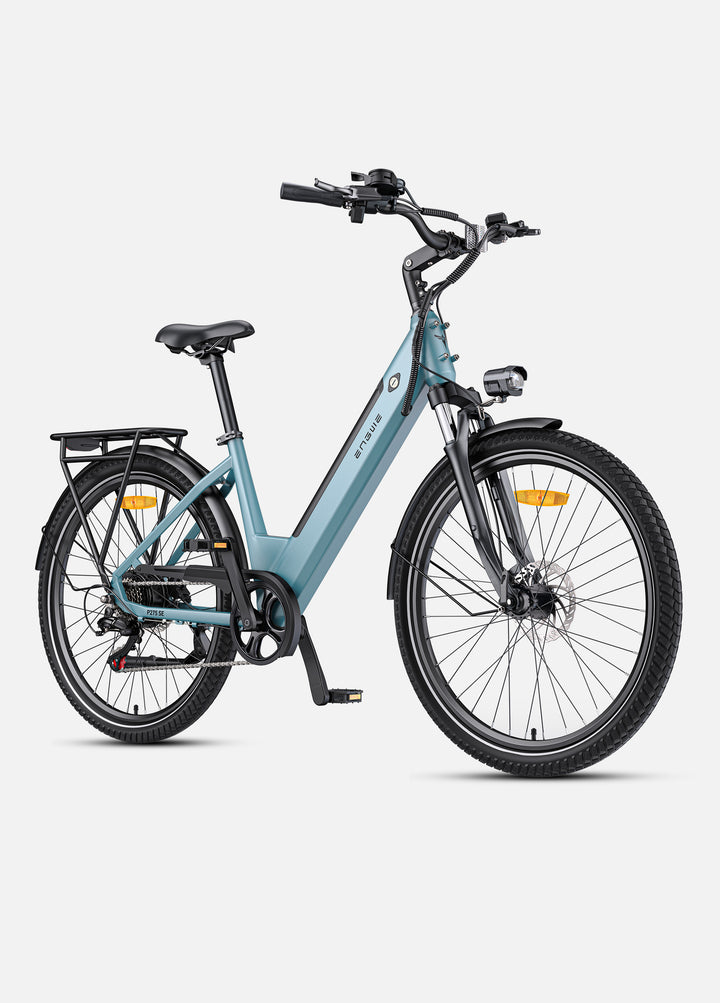
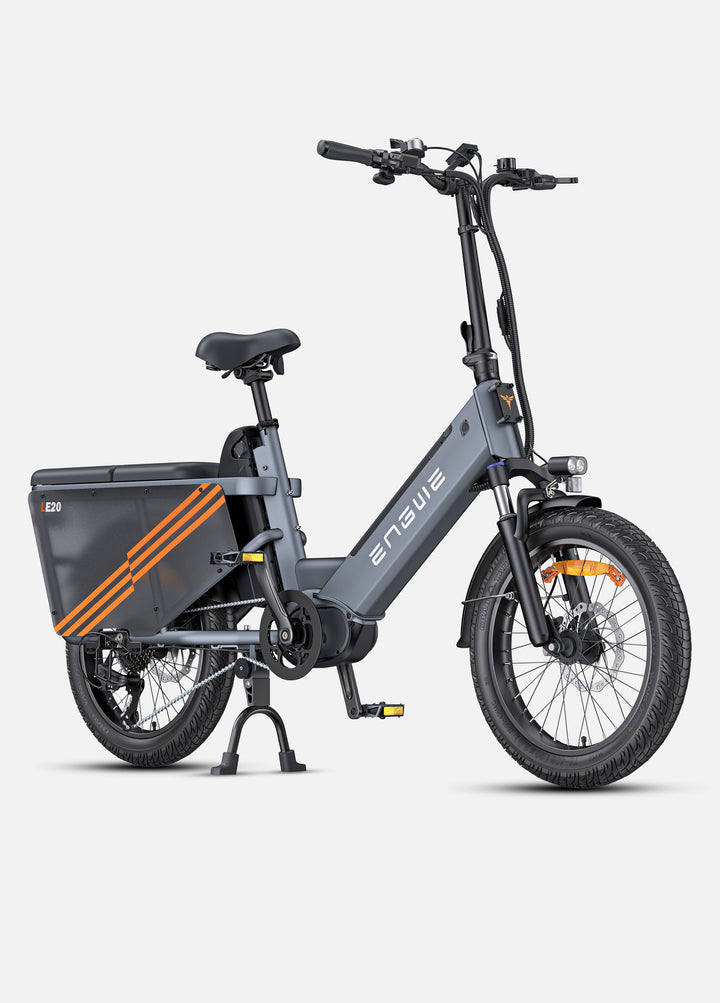
Modern electric bikes consist of complex electrical and mechanical systems. These systems face heavy stress during rides and are also prone to wear and tear due to regular use. This can affect a bike's performance and lead to expensive repairs. Regular bike maintenance can help you avoid that.
However, when it comes to e-bike maintenance, many people believe that it is just about washing and cleaning. In reality, this is only surface-level care. Proper maintenance is a collection of practices that require thorough knowledge and attention to detail. In this article, we explain what those practices are to help keep your electric bike performing at its best for years to come.
Why E-Bike Maintenance Matters
Purchasing e-bikes is a significant financial investment. Routine maintenance helps protect that investment and also improves safety during rides.
For instance, ebikes are faster than bicycles. Worn brake pads drastically increase stopping distance when going at high speed, which can cause collisions in urban traffic. Similarly, loose tyre bolts can lead to a catastrophic failure.
Apart from safety, regular maintenance also preserves the performance of bikes. For example, a dirty drivetrain forces the motor to work harder and drain the battery faster. As a result, your ride becomes less efficient.
Proper bike care keeps the system working in harmony and prevents small issues from becoming expensive repairs. It also extends the life of costly parts like the motor and battery.
Pre Ride Inspection Checklist
Develop a habit of pre-ride checks to prevent common problems like low tyre pressure or brake failure.
Check Tyre Pressure: You can start by checking tyre pressure using a gauge. Proper inflation offers maximum range and minimises the risk of flats.
Test Brake Levers: Squeeze both brake levers. They should feel firm and must not touch the handlebars. If they touch the handlebars, it means they may not stop the bike effectively.
Inspect Brake Pads: Check brake pads to confirm they are not worn. Otherwise, you will need to replace them for safety.
Check Wheel Stability: Spin each wheel and check for any serious wobbles. The wheels should sit tight in the frame because loose wheels are a safety hazard.
Test Light: Make sure both front and rear lights are working. They are a legal requirement in many places for safety at night.
Regular Electric Bike Maintenance Tips
There is no set schedule for e-bike maintenance. Your maintenance routine should be based on your use. A daily commuter bike needs more attention than a weekend rider.
EBike Battery Care
The Ebike battery is the most expensive component of your e-bike. Treat it with care to make it last for its intended lifespan.
For instance, fully charging or discharging can damage the battery. Keep it between 20% and 80% for optimal battery health.
For long-term storage, consider temperature as well. Extreme temperatures damage the battery quickly. So, avoid storing it in a hot or freezing garage. Room temperature is the ideal temperature for long-term storage.
Always let a hot battery cool before charging, and use a damp cloth for cleaning. Never spray it directly with water, as it can damage the battery.

Ebike Motor and Electrical System Check
The best ebikes can last for several years with proper motor cleaning. So, keep the motor casing clean and wipe it down after wet or muddy rides. Listen for unusual noises as well. A grinding sound indicates the need for professional attention.
Check electrical connections regularly to confirm cables are secure. Also, do not ignore error codes on the display, as they provide specific diagnostic information. Note the code and consult your manual or a professional mechanic for quick recovery.

Ebike Brake Pads Maintenance
Brake pads are consumable items. Their lifespan depends on how and where you ride. For instance, hilly city rides wear them down quickly, while flat terrain is much gentler on them.
Inspect pad thickness regularly to see the extent of brake pad wear. You can use a digital calliper or micrometer to determine their thickness. Replace pads when the material wears below 2mm.
Ebike Tyre and Wheel Care
Your tyres' condition determines your bike's grip on the road. Maintained tyres offer a strong grip, while poorly inflated or worn tyres have the opposite effect.
So, check tyre pressure before every ride and inspect tread weekly for embedded debris. Consider purchasing puncture-proof belts for extra safety against road debris, even if you own a fat tyre ebike.
Check wheel-wobbles as well, as they affect handling and braking. A minor wobble might be fixed with a spoke key, but a major buckle will need professional help.
Ebike Accessory Maintenance
Ebike Accessories like racks, fenders, and lights face constant vibrations. Check their bolts monthly and tighten any loose ones securely. A loose rack does more than risk a dropped bag. It can damage the frame's mounting points and lead to costly repairs.
You should also check connections for integrated lights to see wires are not pinched or frayed. This helps prevent costly issues later.
Seasonal and Long-Term Storage Tips
Storing your electric motorcycle requires preparation. You can start with a thorough bike wash. Next, degrease and lubricate the drivetrain before storing it in a moderately cool but dry storage space.
You should also remove the battery and make sure it is about 50%-60% charged. Check its charge every few months and top it up if it falls below 20%.
Finally, use a breathable bike cover for dust protection. This careful storage process ensures a smooth start when you need to use your bike again.
Conclusion
E-bike maintenance is not optional. It is necessary to keep your bike in top condition. Pay attention to its sounds and components to avoid potential issues.
Also, keep the chain lubricated, replace brake pads in time, and follow battery and motor care tips we mentioned above to prolong their life.
This consistent care results in refined rides lacking in traditional bicycles. It is a simple habit that makes ebike ownership massively rewarding. So, care for your bike and ride with confidence.
FAQs
How long do e-bike batteries last?
Manufacturers rate battery life in full charge cycles. A lithium battery can handle 500 to 1000 cycles of 0% to 100% charge. Partial charges use fractions of a cycle. For a regular rider, this translates to three to five years of use.
What is an ABC checklist on a bike?
The ABC checklist includes basic pre-ride checks. It stands for Air, Brakes, and Chain. 'A' for Air means checking tyre pressure. 'B' for Brakes involves squeezing levers to ensure they engage firmly and visual inspection of brake pads for wear. 'C' for Chain means checking if the chain is clean and lubricated.
Should you remove the eBike battery after every ride?
This depends entirely on your storage conditions. Remove the battery when storing your bike in extreme temperatures. A freezing garage or a hot shed will damage the battery. Always bring it indoors in these cases. Also, remove it for security if the bike is locked in a public space. However, if the bike stays in a secure, temperature-controlled room, removal is not technically necessary.
What do I need for basic bike maintenance?
A basic toolkit can handle most routine tasks. Start with a set of Allen keys in a 4, 5, or 6mm size for secure fittings. A floor pump with a pressure gauge is essential for tyre inflation. Also, do not forget a chain wear indicator tool. It signals when to replace the chain before it ruins the drivetrain and leads to costly repairs.