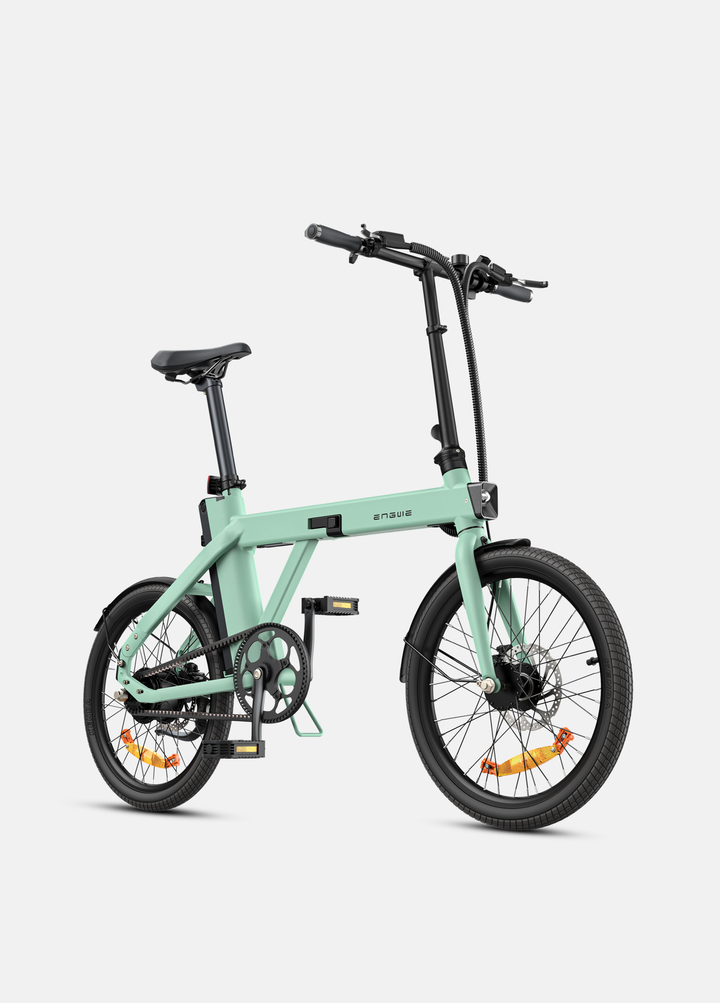
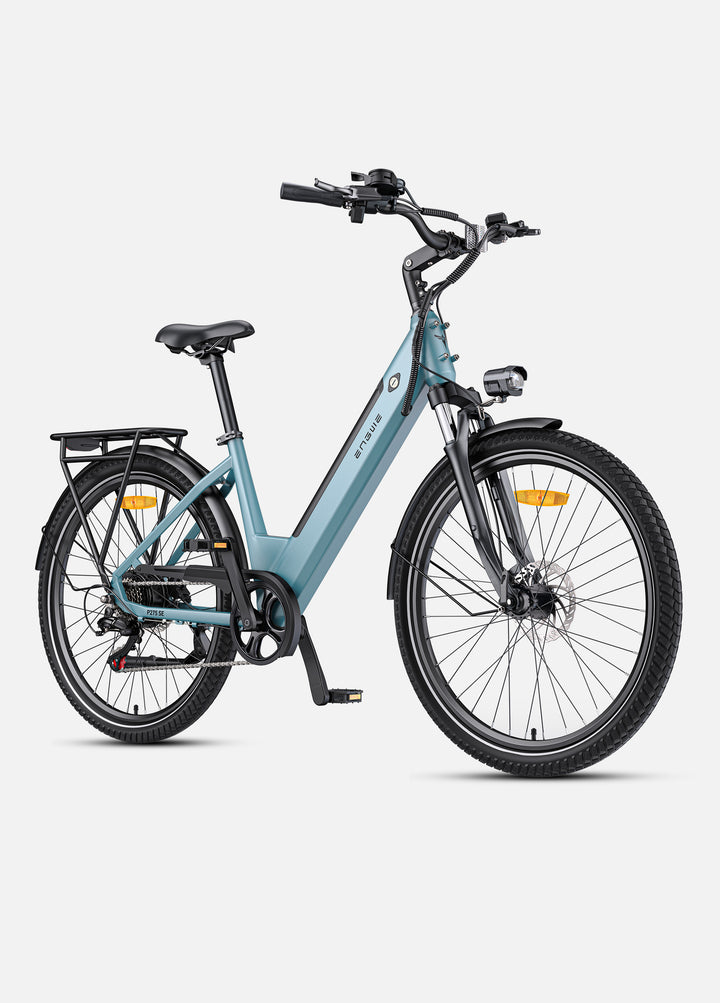
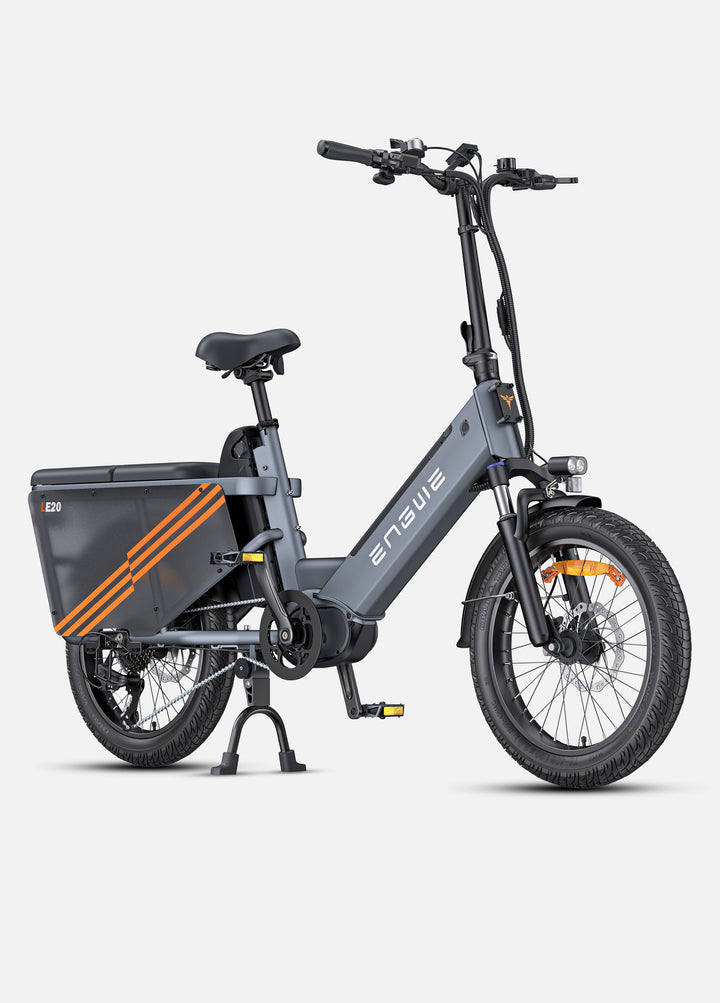
Cycling through Europe is a magical experience. The combination of historical sites, modern cities, and natural landscapes is rarely found elsewhere. However, a question always puzzles cyclists whenever they move on European roads: do bicycles have to stop at stop signs?
The answer varies from country to country. Understanding the local laws will help you pedal safely and legally everywhere. Below, we will walk you through this topic in detail.
Do Bicycles Need to Stop at Stop Signs in Europe?
Some European countries have made an exception to the law. They allow cyclists to treat stop signs as yield signs, meaning that cyclists can proceed without coming to a full stop as long as they slow down to ensure the safety of others.
Some countries also permit cyclists to turn right on a red light upon yielding, or allow cyclists to continue straight through red signals under safe conditions. While the default law across Europe is that bicycles must stop, there are some exceptions at national or local levels to keep cyclists moving.
Traffic Rules for Bicycles and E-Bikes in Europe
Bicycles and electric bikes must follow all traffic rules as stated in the Vienna Convention.
European countries have further implemented their own regulations and exceptions. In many countries, cyclists and street-legal ebikes are expected to use bike lanes where possible. Many European countries also have strict liability laws, where a vehicle driver is automatically considered at fault in a collision with cyclists unless they prove otherwise.

Are E-Bikes Legally Considered Vehicles in Europe?
Ebike is a broad term. It refers to several variations of bicycles with electric assistance. The two main categories of best e-bikes include pedelecs and S-pedelecs. Pedelecs are street-legal ebikes that provide motor assistance up to 25 km/h. S-pedelecs are more powerful. They can assist up to 45 km/h.
Pedelecs can use bicycle lanes and follow the same traffic rules as bicycles. S-pedelecs are not considered bicycles. They are regulated like mopeds due to their much higher power and speed specifications. There are restrictions on where you can ride them. They are not always allowed in bicycle lanes.
Why Stop Signs Apply to Both Bicycles and E-Bikes
While bicycles and e-bikes have different systems, they are equally vulnerable when passing through intersections. The purpose of the stop sign is to assign a right of way and minimise the risk of collisions at potentially dangerous crossings. Collisions from the violation of a stop sign can lead to hefty penalties.
Regulations for Bicycle Parking Signs in Europe
The regulations vary from country to country. Here are some prominent countries and their laws:
Netherlands – E-Bike Stop Sign Guidelines and Flow Rules
Although a cyclist must still stop at a stop sign in the Netherlands, the country has come up with some creative exceptions at traffic signals.
The "Rechtsaf voor fietsers vrij" sign allows cyclists to turn right on red after yielding. The Netherlands also uses simultaneous green traffic signals at some complex intersections. This is to provide a green phase to all cyclists from all directions. Cyclists are allowed to ride contraflow on one-way streets with "uitgezonderd" signs.
These rules are designed to reduce stopping while still teaching cyclists to pass through intersections carefully.
Germany – Strict Stop Sign Enforcement for Bicycles and E-Bikes
In Germany, cyclists must fully stop at a stop sign. The same applies to pedelecs. The German approach leaves no flexibility for cyclists. Stop means stop. This clarity leads to predictable behaviour and improves the safety of all road users. People who violate this law face serious fines.
France – Exceptions for Cyclists and E-Bikes at Some Junctions
The French traffic law is a mix of standard rules and exceptions for cyclists and e-bikes. While the rule to stop at stop signs remains, traffic lights have some flexibility. Since 2012, the French law has allowed cyclists to turn right on red at several intersections. At some intersections, cyclists can also ride straight through red lights if there is a triangular sign with a bicycle yield symbol.
These exceptions come with some obligations. The riders must yield to all other road users, including pedestrians and cross traffic. France also allows contraflow cycling on one-way streets with "sauf vélos" (except bicycles) signage.
The French approach assumes cyclists and e-bikers are capable of making informed decisions when passing through intersections.
UK – Stop Sign Rules for E-Bikes Same as Motor Vehicles
If you are wondering do bicycles have to stop at stop signs in the UK, the United Kingdom's legal approach to stop signs is clear and straightforward: every vehicle, including bicycles and e-bikes, must fully stop at stop signs. The UK has no exceptions for bicycles at stop signs.
For electric bike users, pedelecs are treated the same as standard class bicycles. More powerful e-bikes, on the other hand, are classified as motor vehicles, potentially subjecting them to different regulations and licensing laws.

How Following Stop Signs Improves E-Bike Safety
E-bikes can be fast, and the riders need to make quick decisions at intersections. Stopping completely gives riders the opportunity to check the intersection for any cars, pedestrians, and cyclists passing through with the right of way.
Stopping fully also makes an e-bike rider’s movements predictable to other drivers. Predictability helps motorists understand the intentions of the rider and lowers the risk of misjudgment.
Common Misconceptions About E-Bikes and Stop Signs in Europe
Many misconceptions surround stop sign rules in Europe. A common one is the belief that bicycle lanes are an exception. Even with dedicated paths, riders must follow stop signs unless clear priority markings say otherwise.
Another misconception involves the “Idaho Stop” or similar yield policies. Many assume that cycling nations like the Netherlands or Denmark allow riders to treat stop signs as yield signs. In reality, these countries only allow limited exceptions at certain intersections.
A dangerous belief among e-bike riders is that rolling through a clear intersection is safe. This ignores hidden dangers like a fast scooter in a blind spot or a vehicle from another direction. The stop sign exists to keep everyone safe.
Tips for Riding E-Bikes Across Europe
Research each country’s laws before riding. The European Cyclists’ Federation and national tourism sites provide reliable information.
At any stop sign, use the “Stop, Look, Assess” method. Always stop completely, even if locals roll through. Move only when you have the right of way.
Learn local road signs. It will help you understand exceptions and obligations.
Conclusion: Stop Signs Are Important for Every Rider
This was some essential information for riders wondering do bicycles have to stop at stop signs in Europe. In Germany and the UK, the laws are strict, but in the Netherlands and France, you can find some exceptions.
Predictable and lawful behaviour is important to stay safe on the road. Stop signs help you achieve that. When respected, these signs become a gateway to smoother and safer riding, not an inconvenience. So, follow them to enjoy safe and stress-free rides across Europe.
FAQs
Do E-Bikes Have the Right of Way in Europe?
In Europe, there is no universal law granting e-bikes the right of way. Regulations vary based on the country and even the city. A pedelec in a bike lane is usually given the right of way over a car. However, S-pedelecs must follow the same rules as other vehicles.
Do E-Bikes Have to Stop at Red Lights in Europe?
In Europe, all electric bikes must fully stop at a red light. Some cities allow a right turn on red for cyclists. However, this is only permitted with a specific sign indicating that.