Class 3 ebikes are a hot topic among riders who want a faster way to travel without giving up comfort. Many people still wonder what sets them apart from other e bike classes and if they actually include a throttle. The rules are not the same everywhere, what is allowed in the US may be limited in Europe.
That’s why it’s important to know how class 3 ebikes really work, their speed limits, and the safety steps you must follow before buying one.
What is a Class 3 Ebike?
A class 3 ebike is a type of electric bicycle that offers pedal assistance up to a higher speed compared to basic models. To put it simply, it is built for people who want a faster ride than normal city bikes.
The class 3 ebike definition can sometimes confuse new riders. Many people ask: what is a class 3 ebike compared to others? The answer is that class 3 is faster than class 1, but throttle use often depends on local laws.
When you look at class 1 vs class 3 ebike, the main difference is that class 1 supports riders only through pedal assist up to 25 km/h, while class 3 adds more speed potential.

Ebike Classes Explained: 1, 2, and 3
To understand class 3 better, you should first know how ebike class 1 2 3 are separated.
- Class 1: Pedal assist only. The motor stops helping at 25 km/h. Simple, safe, and common in Europe.
- Class 2: Has a throttle and pedal assist. Riders can move without pedaling by using the throttle, but restrictions may apply in some regions.
- Class 3: Higher pedal assist speeds. In the US, up to 28 mph, but in Europe it stays at 25 km/h.
The class 2 vs class 3 ebike debate is common. Class 2 focuses on throttle freedom, while class 3 focuses on speed through pedaling.
Different countries treat e bike classes differently. For example:
- In the US, class 3 is popular for commuters who want quicker travel times.
- In Germany or France, class 3 must follow EU limits, making them closer to class 1 in function, but with stronger build quality and sometimes larger frames.
Do Class 3 Ebikes Have a Throttle?
Class 3 ebikes are a hot topic among riders who want a faster way to travel without giving up comfort. Many people still wonder what sets them apart from other e bike classes and if they actually include a throttle. Rules vary by location, so it’s important to know how class 3 ebikes work, their speed limits, and the safety steps you must follow before buying one.
Speed and Safety Rules for Class 3 Ebikes
When we talk about speed, we must also talk about safety. Class 3 ebike speed is capped at 25 km/h in some countries, which keeps it in line with road safety rules. Anything above this could mean your bike is treated like a scooter or moped, requiring license and insurance.
Helmets are another key part. A class 3 ebike helmet is required in some regions, and in others strongly recommended for higher-assist bikes. Choosing a certified helmet protects your head during sudden stops or road accidents.
It’s not only about helmets, though. Good lights, reflectors, and strong brakes should always come with a class 3 bike. Safety rules are written not just to limit riders but also to save lives.

Best Options for Class 3 Ebikes
Now that you know what makes these bikes unique, let’s look at some of the top e bikes in this category. Riders usually look at three main groups:
Class 3 full suspension ebike – Built with shocks on both front and back, these bikes make bumpy rides smoother. They are best for people who ride long distances on mixed roads.
Class 3 cargo ebike – Made for carrying goods or kids. They are heavy but stable, perfect for families or delivery workers.
Commuter class 3 bikes – Slimmer frames, lighter bodies, and upright seating make these ideal for daily office rides.
Best Models to Look At
While many brands offer options, ENGWE has some reliable EU-legal models that riders can trust:
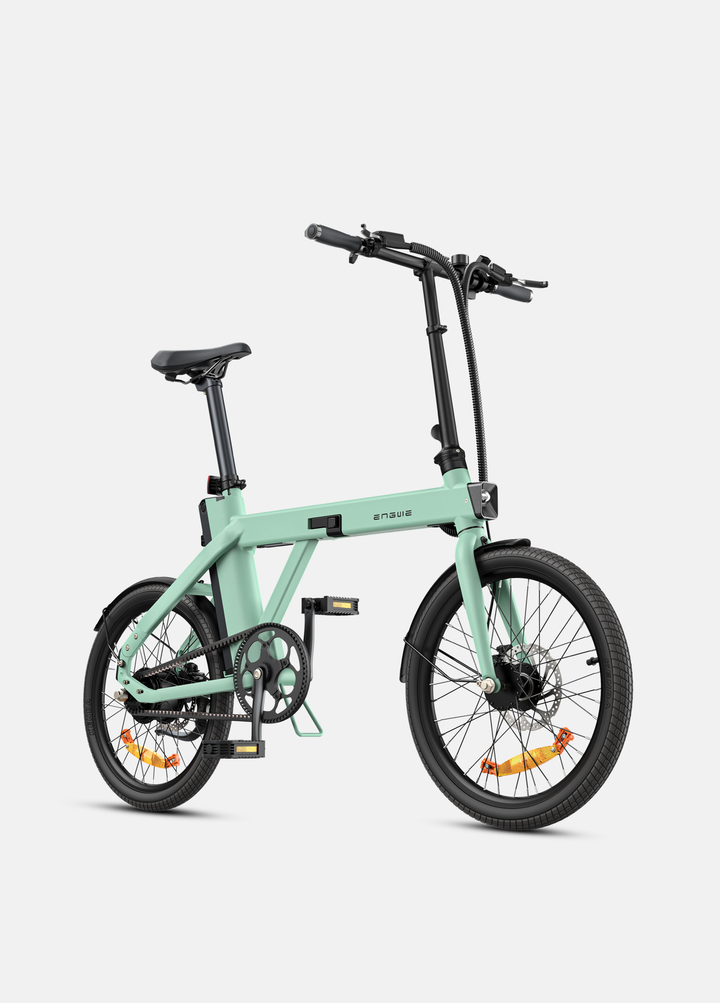
ENGWE EP-2 Pro
The ENGWE EP-2 Pro is a folding fat tire ebike that fits well in small spaces and car trunks. It runs on a 250W motor with a legal 25 km/h limit in Europe. The 48V battery is removable, so you can charge it anywhere. Its 20×4.0 fat tires give strong grip on city roads and light off-road paths, while Shimano gears and disc brakes provide safe and steady rides.

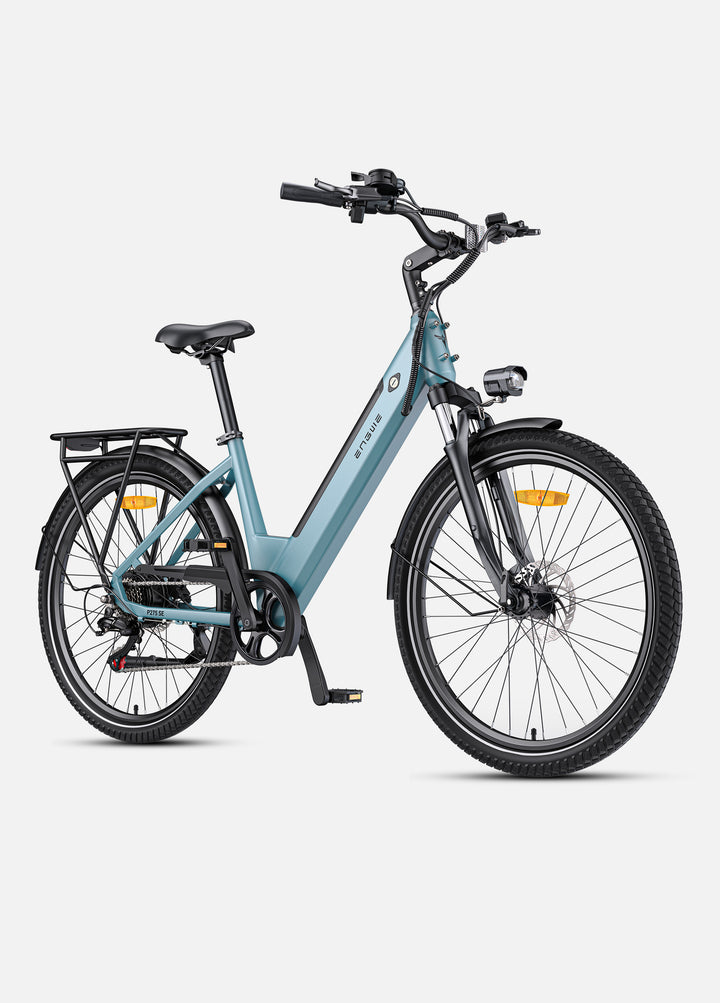
ENGWE P275 ST
The ENGWE P275 ST is a step-through commuter ebike made for daily use. It carries a 250W mid-drive motor that stays within EU speed rules of 25 km/h. The Samsung battery lasts long and works with Shimano 9-speed gears for smooth shifting.
Hydraulic brakes add control, and the upright frame makes riding easy for people of all ages. It’s a good choice for towns and city travel.

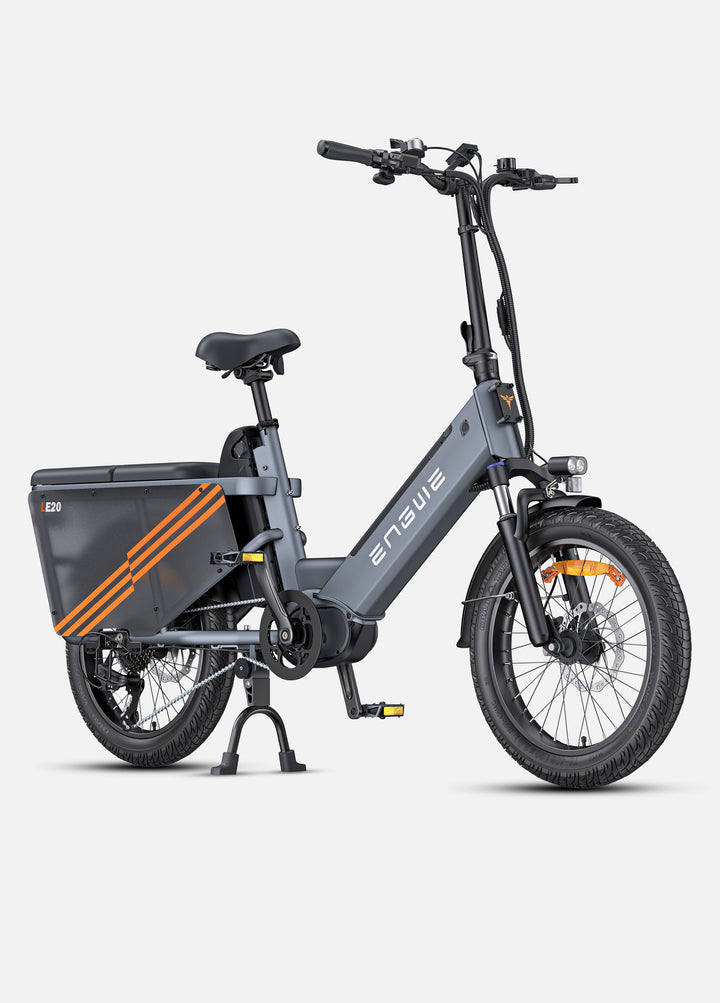
ENGWE L20
The ENGWE L20 is built for riders who want comfort with simple use. It has a 250W motor, 25 km/h top speed, and a removable 48V battery, keeping it legal in Europe. The bike can cover longer rides with ease, while the 20×4.0 fat tires and front suspension handle bumps on the road. Its step-through frame makes it easy to get on and off, which suits both casual and regular riders.

How to Choose the Right Class 3 Ebike
Picking the right class 3 ebike is all about knowing what you really need. Not every bike fits every rider. Here are some easy points to think about before buying:
Terrain: If you ride only on flat city roads, a simple commuter bike is enough. But if your path has hills, rough tracks, or countryside roads, choose a bike with suspension for a smoother ride.
Distance: Long daily trips need a strong battery so you don’t run out of power halfway. For short trips to work or town, a lighter bike with a smaller battery will do just fine.
Comfort: Always check the seat, handlebar height, and suspension. A soft seat and upright position can make a big difference if you ride for many hours.
Local Rules: Laws are different everywhere. In some places, class 3 ebikes must follow strict speed or throttle limits. Knowing the rules in your area will save you from fines or problems later.
Conclusion
Class 3 ebikes give riders a faster, more efficient way to travel compared to other e bike classes. With higher pedal-assist speeds and clear safety rules, they strike a balance between performance and practicality for commuting or leisure riding.
Understanding their speed limits, throttle options, and helmet requirements helps you make an informed decision. Whether you’re after comfort, cargo capacity, or long-distance performance, class 3 ebikes provide versatile choices for different lifestyles.
If you’re considering options, brands like ENGWE offer models that comply with local laws while still delivering comfort, power, and reliability.
Frequently Asked Questions
What is a class 3 ebike?
A class 3 e-bike is designed for higher speeds than class 1 or 2 models. In Europe, it is capped at 25 km/h, while in the US, it supports pedal-assist up to 28 mph.
How fast does a class 3 ebike go?
In Europe, class 3 e-bikes are legally limited to 25 km/h. However, they can reach up to 28 mph with pedal assist, depending on state laws and specific local regulations.
Do class 3 ebikes have a throttle in Europe?
No, European regulations prohibit throttles on class 3 e-bikes. They must rely on pedal assist only, ensuring riders contribute pedaling effort. This aligns with EU safety rules that distinguish e-bikes from mopeds or scooters.
Do I need a helmet for a class 3 ebike?
Yes, helmets are recommended for all e-bike riders and are legally required in some countries. Class 3 e-bikes reach higher speeds, increasing safety risks, so wearing protective gear is strongly encouraged to reduce accident-related injuries.
What’s the difference: class 2 vs class 3 ebike?
Class 2 bikes have both throttle and pedal assist, so you can ride without pedaling if you want. Class 3 bikes focus on higher pedal-assist speeds, making them faster but pedal-based.