Electric bikes have changed the way people go to work, keep fit, and get to know their neighborhoods. Still, it is important to note that some eBikes are not exactly the same. The regulatory system divides eBikes into three types: Class 1, Class 2, and Class 3. This helps riders understand their legal rights and the features of their bikes. If you're buying an eBike, know the classes. They decide where you can ride, how fast you can go, and what your bike can do.
A class 2 ebike is different from other eBike categories mainly because of the throttle. This complete guide clarifies what is a class 2 ebike, how it is different from other classes, and why it could be just the right thing for your riding needs. We'll cover the throttle mechanism and speed rules. Then, we'll discuss where bikes are legal worldwide. Finally, we'll share some great examples of available bikes.
What Exactly Is a Class 2 Ebike?
The basic class 2 ebike definition is simple. It’s an electric bike with a throttle-controlled motor. This motor can help you go up to 20 miles per hour (32 kilometers per hour) without needing to pedal. You can get motor help in two ways: pedaling or using a throttle on the handlebars. This makes class 2 e-bikes more versatile than other classes.
The motor on an ebike class 2 will automatically shut off from providing assistance once the vehicle reaches 20 mph. Afterward, if cyclists desire to increase the speed, they will have to depend solely on their pedaling power. This speed limit is an important rule. It sets the class and determines where biking is allowed in different areas.
A class 2 ebike is unique in that the riders can get motor assistance without pedaling at all. You can move forward by twisting the throttle. It uses an electric motor, similar to a moped, but it's lighter and more like a bicycle. Anyway, the majority of class 2 eBikes also come with a pedal-assist feature, allowing riders the versatility to use either mode or a mix of both.

The Throttle: How It Works and Why It Matters
The throttle is the main feature that differentiates a class 2 ebike from other categories. In contrast to a Class 1 ebike that only gives you power assistance when you pedal, a Class 2 eBike throttle works separately. You just need to rotate or press the throttle, and the motor will start without delay, thus moving the bike.
A class 2 ebike speed capability via throttle that makes these bikes incredibly user-friendly for city commuters. Think about it, you are at a red light on a very steep hill, and without a doubt, you will want to rest. Instead of stressing over balancing at the stop, you just release the throttle and drift. When the light turns green, just twist the throttle. This will help you smoothly join the traffic without needing to pedal hard.
Class 2 eBikes are great for several types of riders. They suit those recovering from injuries, people with limited mobility, or anyone who wants a break from intense physical activity.

The throttle on a class 2 ebike has to work within very restricted limits. So, how fast does a class 2 ebike go if you only use the throttle? Only up to 20 mph. When the motor stops at this speed, the throttle is not working anymore. If you want to go faster than 20 mph, you’ll need to use the pedals. However, the bike's design and your fitness may limit how fast you can go.
Class 2 vs Class 1 vs Class 3: Understanding eBike Classes
Understanding the differences in ebike classes can significantly help you grasp the unique features that a class 2 ebike brings to the table. Ebike class 1 2 3 are the main rules in North America. They are slowly becoming the norm in other regions, too.
Class 1 ebikes come with pedal-assist only, no throttle. When you pedal, the motor turns on and helps you get up to 20 mph, after which it shuts off automatically. These are the eBikes that, by far, have the broadest legal acceptance. They are, in fact, allowed on most bike paths and trails where regular bikes can go.
Class 2 ebikes offer you a choice between pedal-assist and throttle, with the motor assistance in both cases being limited to 20 mph. This double function makes them more adaptable than Class 1. However, on some trails, they may be a bit more restricted.

When deciding between a Class 1 ebike vs Class 2 ebike, start by evaluating your lifestyle. If you want to have fun riding a bike effortlessly and without pedaling, then going for a class 2 ebike will be a good choice. Do you like a traditional cycling experience with mild support from the motor? In that case, class 1 will do. Are you looking for top speed to cover a long distance? Although there may be some legal issues, class 3 probably will be worth it.
Class 2 Ebike Laws: What You Need to Know
The class 2 ebikes laws are very different depending on where you live. In the U.S., most states know the three-class system. Class 2 eBikes can ride on most bike paths, trails, and roads alongside regular bikes. Some national parks and state trails don’t allow throttle-assist bikes. So, check local rules before you ride.
In Europe, the regulations for Class 2 ebike options are quite strict. The European Union classifies standard eBikes as bicycles if they have a power output of 250 watts or less. Also, the assistance must not exceed a speed of 25 km/h (about 15.5 mph). However, eBikes that come with a throttle are categorized in a more stringent manner.
A class 2 ebike with a throttle is often seen as a motorized vehicle in many European countries. So, the owner must register the bike, get insurance, and have a driver's license. In some EU countries, throttles are allowed only if they turn off after the bike reaches its initial limited speed.

Before you buy a best class 2 ebike and take it internationally or even ride in places where the law is not very clear, check the rules in your area very carefully. Some bike stores might even assist you in altering or turning off the throttle features so that you remain within the law.
Why Choose a Class 2 Ebike? Key Benefits
Class 2 electric bikes present multiple benefits depending on the kind of rider. These bikes have a throttle control. This feature makes them easy to use, even for those who aren't in great shape or have joint issues or injuries.
Parents can go along with the kids on bikes since the throttle allows starting and stopping smoothly, even without getting off the bike. The riders of delivery services also like the facility of easy acceleration that helps them when they are loaded with goods.
The class 2 ebike speed limit of 20 mph works as a safety feature. 20 mph is a safe speed in most urban and suburban areas. This allows riders to match traffic flow and stay out of dangerous situations. Additionally, the bike battery will be less drained at 20 mph than at higher speeds, and your riding range will be considerably longer.

Class 2 bikes usually face fewer legal issues than Class 3 ebike options. They also cost less and come in many styles, from small foldable models to large cargo bikes. A class 2 ebike is really the best compromise if you want power, moderate regulations, and a good price.
ENGWE Class 2 Ebike Models
ENGWE leads in eBike manufacturing. They offer several excellent class 2 ebike for sale that meet EU regulations. These bikes meet European law requirements. They also have features that make daily commuting easier.
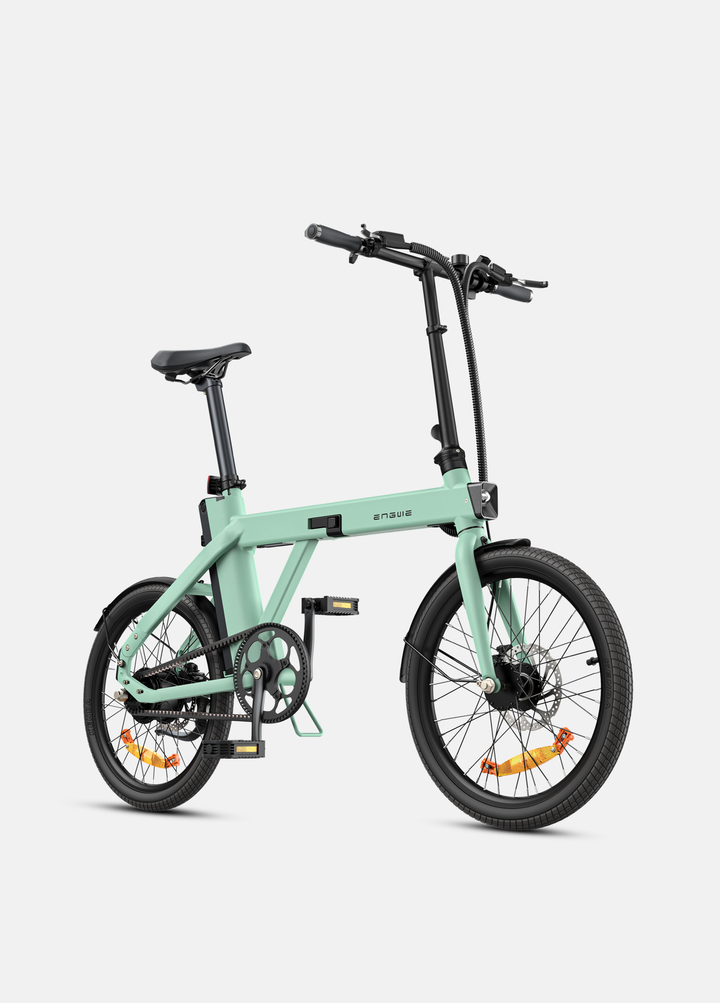
The ENGWE Engine Pro 2.0 is a folding Class 2 eBike equipped with a 75Nm torque sensor, allowing it to provide quick pedal assistance. Its small size is perfect for commuters who have to use public transport along with cycling. After folding, the bike is easy to store and has specifications in line with EU regulations.


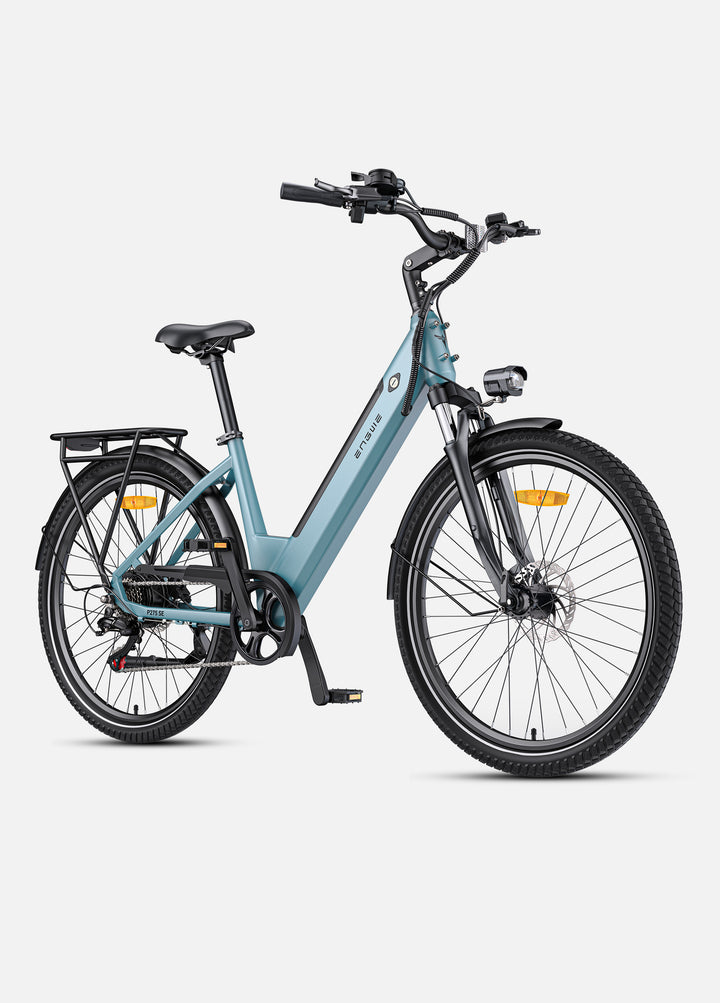
Another notable choice is the ENGWE EP-2 3.0 Boost that comes with a 250W EU-legal motor and a 75Nm torque sensor. With a 120km range and boost power, this model provides smooth throttle and pedal-assist modes. They’re perfect for city riding. The torque sensor makes sure the power delivery is natural, responsive, and always in sync with your pedaling effort.


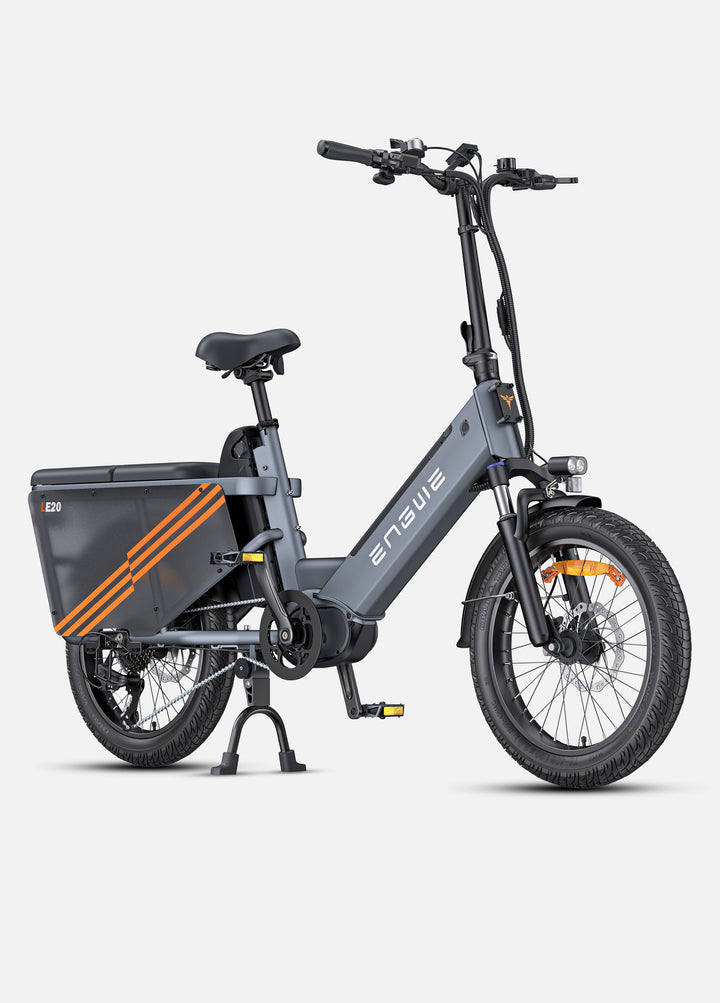
The ENGWE L20 3.0 Boost has a full-suspension design. It offers a strong 75Nm torque assist. This makes it great for riders who want comfort and control on any terrain. Because of its small frame, parking and storing the eBike is less of a hassle compared to bigger ones, yet it still offers great performance.


Other Notable Class 2 Ebike Brands
Beyond ENGWE, several respected manufacturers produce excellent Class 2 eBikes worth considering.
Aventon offers the Pace line of eBikes, especially the Pace 500. This Class 2 eBike features a thumb throttle, a 500W motor, and can travel up to 60 miles. The Aventon Level 2 is equipped with a 500W motor, a torque sensor, and a comparable long-range capability, which is why it is favored by city commuters. The Class 2 models of Aventon come with removable throttles, thus enabling riders to easily comply with local law if required.
Gazelle is a Dutch bicycle company that manufactures high-quality Class 2 models mainly for the European market. Their eBikes are built to last and be comfortable, but also to meet EU regulations. The brand takes care of its good reputation by pricing its bicycles as a luxury line.

Key Takeaway
You can count on a class 2 ebike as a great option if you are a rider who values convenience, accessibility, and versatility. The addition of a throttle is what sets it apart from Class 1 bikes, whereas the speed limit of 20 mph makes it more legally accessible than Class 3 models. A class 2 ebike is great for everyone. Whether you’re a casual commuter, have mobility issues, or just want an easier ride, it blends motorized support with regular cycling.
ENGWE, Aventon, and Gazelle show that Class 2 eBikes can be stylish and well-designed. They offer long battery life, dependable drive units, and smart features. Prior to buying, you should look into Class 2 ebike laws in your area to make sure the model you decide on meets local rules.
Choosing the right class 2 ebike opens up new travel options. Whether you navigate busy streets or enjoy a peaceful nature walk, you'll feel a refreshing sense of freedom.
Frequently Asked Questions
What is the Maximum Speed I Can Achieve on a Class 2 Ebike?
With a class 2 ebike, the motor helps you through throttle or pedal-assist up to 20 mph. After 20 mph, the motor cuts out automatically. If you are in the mood, you can go faster just by pedaling. However, the motor will not support you once you pass this limit. The majority of riders consider 20 mph enough for city commuting and leisure riding.
Can I Ride a Class 2 Ebike on Mountain Trails?
Access to Class 2 ebike trails varies by locality. Lots of trails allow Class 2 bikes because these bicycles have a 20 mph speed limit, just like the Class 1 models. But certain national parks and environmentally fragile areas ban the use of throttle bikes in order to avoid trail deterioration and to maintain safety standards. Always check the trail rules before you go. Regulations vary by area and governing body.
How Long Does the Battery Last on a Class 2 Ebike?
A class 2 ebike battery usually lasts for 500 to 1,000 full charge cycles. This means, with normal use, you can expect it to last about three to five years. How far you can go on a single charge in practice depends on the battery's size, the rider's weight, the nature of the terrain, and the level of assistance used. Under normal conditions, an ENGWE model can travel 100 to 130 km on one charge. But if you only use the throttle, the range will drop compared to using pedal-assist modes.
Is Wearing a Helmet Required for Class 2 Ebikes?
Different jurisdictions have different rules about helmets for class 2 ebike riders. In the USA, helmet laws depend on the state and even the local government. Some states only require helmets for Class 3 riders but not Class 2 riders. In Europe, Class 2 eBikes registered as bicycles typically don’t require helmets. But wearing one is strongly recommended for safety. It is always a good idea to check the regulations in your area and take into account your personal risk factors.
What's the Difference Between a Class 2 and Class 3 Ebike?
The main difference is in speed and throttle function. A class 1 vs class 2 ebike comparison shows that Class 1 does not have a throttle at all, whereas Class 2 ebike has a throttle. The main difference between Class 2 vs Class 3 ebike is that Class 2 limits motor assistance to 20 mph and has the throttle feature, whereas Class 3 is pedal-assist only up to 28 mph. Class 3 bikes are faster. However, they face more rules. Many places require registration, insurance, and a motorcycle helmet.