The question that always comes to mind for cyclists is, are suspension bike seat posts worth it? To most riders, comfort is not less important than speed or strength. Roads, gravel tracks and even streets of the cities are not always smooth. Every bump or vibration travels through the frame to your body. This can cause fatigue, discomfort, or even injury.
This is the reason why there are suspension bike seat posts. These posts have springs, elastomers or moving parts that absorb shocks rather than a plain metal tube that contains the saddle. In this guide, we explain how suspension posts work and where they are useful. We’ll also discuss if they are the right upgrade for your bike.
What Exactly Are Suspension Bike Seat Posts?
The typical bicycle seat post is nothing other than a metal tube (mostly aluminium or carbon) which secures the saddle to the frame. It does not contain any moving parts, and it sends all vibration straight to the rider.
Another system, known as a suspension seatpost or suspension saddle post, adds a suspension type to minimise the impacts. The most common designs are:
- Springs inside the post.
- Elastomers (rubber-like materials) that compress under load.
- Linkages or pivots that move slightly when pressure is applied.
This technology makes the seat post a mini shock absorber. On most bikes and particularly those that are not rear-suspended, the non-suspension bikes, the seat post suspension is often the main feature that cushions bumps beneath the rider.

Suspension Bike Seat Posts for Gravel and Road Riders
A suspension seatpost for gravel bike applications is one of the most common applications. Gravel roadways are rougher than the paved roads but smoother than mountain trails. Small rocks and rough surfaces subject riders to vibration and chatter all the time.
Suspension post is beneficial in that it filters this vibration. Instead of the shakes going all down your spine, most of it has been stolen before it gets to you. This lets you ride longer with less fatigue.
One of the current trends in this is the shockstop endurance suspension seatpost, which is also said to be comfortable and efficient. Endurance riders like it due to the fact that it provides comfort and does not slow down pedalling.

Suspension Bike Seat Posts for Mountain Bikes
Mountain bikes already contend with rocks, roots and drops. Most mountain bikes use front suspension or even full-suspension frames. A bike suspension seatpost can still improve comfort, especially on hardtail bikes without rear suspension.
A dropper is a common replacement of the traditional mtb seatpost that allows the rider to lower the saddle on the downhills. However, other trail riders use a suspension variant rather, especially when they ride mellow trails and they desire comfort over technical command.
A zero offset seatpost is usually suggested when it comes to selection. It helps to keep the rider in the right position and prevent the saddle from riding too far back behind the pelvis and straining the knees.

Suspension Bike Seat Posts on Electric Bikes
E-bikes are not as light as regular bicycles, and thus, they put more vibration on the road. That is why a suspension seatpost for ebike model is considered by many riders. A bump which seems to be minor in a light bike might be rough on a heavy electric frame.
Commuters pose the question of what is the best suspension seatpost for electric bike. Comfort is even more significant as a lot of individuals ride e-bikes on longer routes every day. Suspension posts and wide tyres can help a lot to make the city ride much easier.

Best Suspension Seatpost Options to Know
Not all suspension posts are equal. Some are built for road comfort, while others handle serious off-road use.
- Shockstop endurance suspension seatpost: This is one of the best options of road bikers and gravel bikers. It has adjustable hardness and a construction that does not make pedalling ineffective.
- The best suspension seatpost for commuting usually has 40–50 mm travel and is rated for heavier riders.
- Best suspension seatpost for electric bike may have a heavier frame, which is met by stronger springs or elastomers.
- Some advanced brands test hydraulic seat bike posts, where the damping is by fluid, producing a smoother feel, although more unusual and more costly.
Pros of Suspension Bike Seat Posts
- On-road comfort - They absorb bumps, potholes and vibrations.
- Reduced fatigue - Long rides are less challenging to the back, hips and legs.
- Physical health - Stress is relieved on the joints and spine, particularly to the old riders.
- Flexibility - Compatible with road bikes, gravel bikes and even commuters.
Cons of Suspension Bike Seat Posts
- Extra weight - Predominantly heavier than a normal post, which is relevant in racing.
- Lower efficiency - There is a loss of energy in the moving components.
- Maintenance - Springs and elastomers may wear out as well as require replacement.
- Cost - A good post is more expensive than a normal tube.

Comparing Suspension Posts vs Standard Posts
A non-suspended bike seat post is lightweight, straightforward, and efficient, but it transfers every vibration. A bike suspension seatpost trades a little efficiency for comfort, especially useful on a saddle tube bike used for commuting or long rides. Competitive road cyclists, however, often stick with standard posts to reduce weight.
|
Feature |
Suspension Bike Seat Post |
Standard Bike Seat Post |
|
Design |
Built with springs or elastomers for shock absorption |
Simple tube design, no moving parts |
|
Comfort |
Smooths out bumps and road chatter |
Transfers all vibrations to the rider |
|
Efficiency |
Slight energy loss during pedaling |
Maximum efficiency, no energy loss |
|
Weight |
Heavier due to extra parts |
Lighter, often preferred by racers |
|
Best Use |
Commuting, gravel, long-distance, e-bikes |
Road cycling, racing, weight-focused riders |
Suspension Seat Posts on E-Bikes: ENGWE Examples
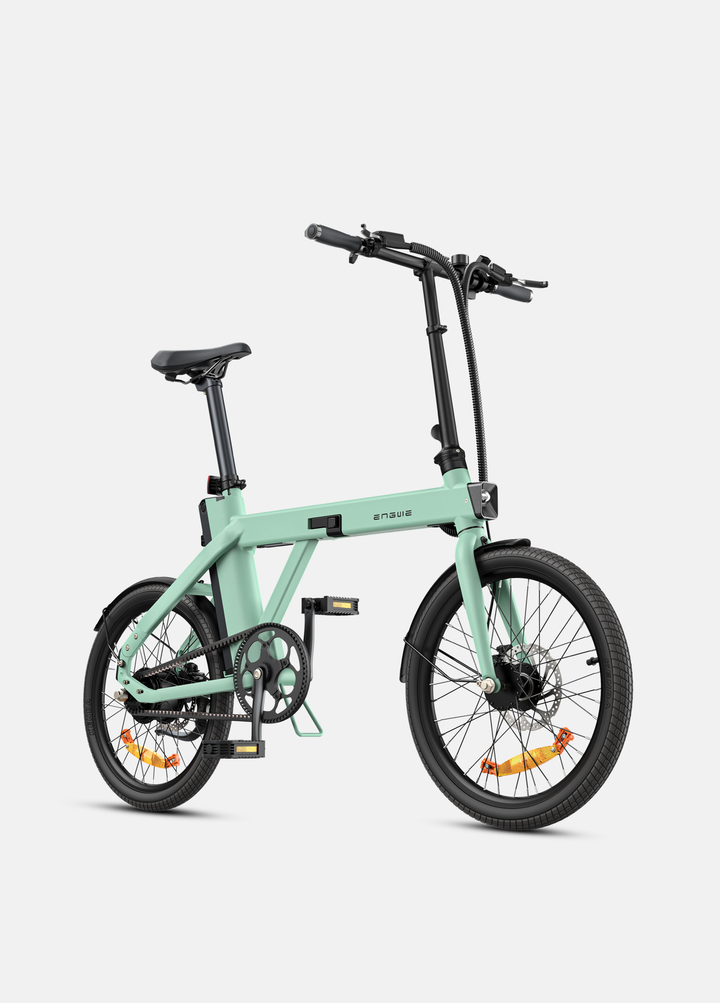
Many modern e-bikes include or support suspension posts because they add comfort without major frame changes. Here are a few models where seat post design plays an important role:
ENGWE E26
The ENGWE E26 is a dual suspension all-terrain commuter with a post built around comfort. Its wide tyres and long range make it ideal for riders who mix city and off-road paths.

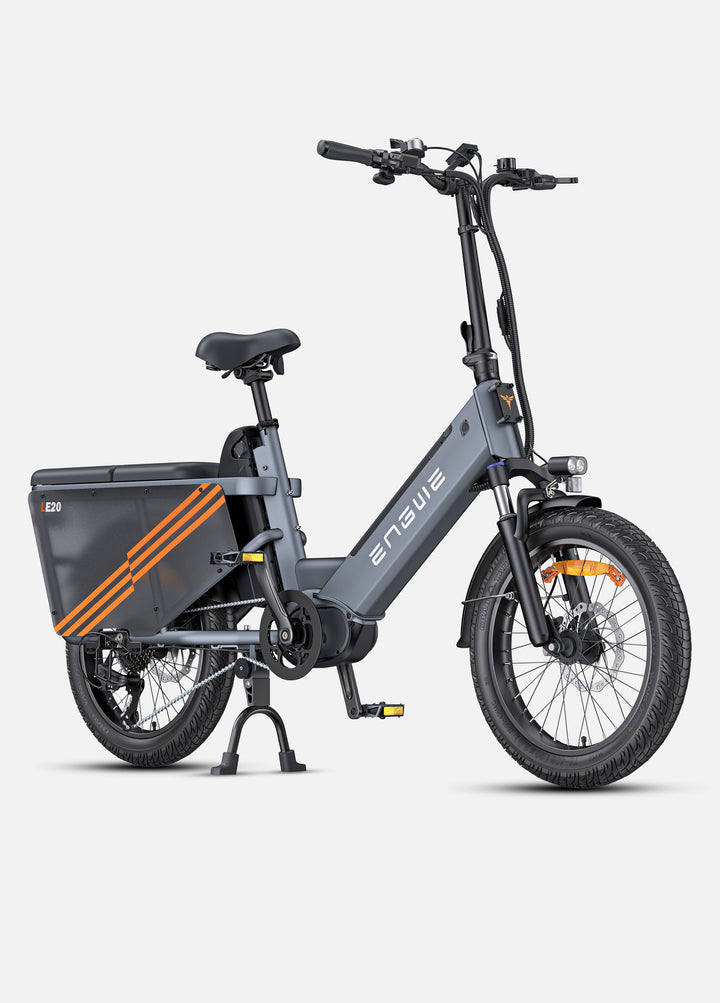
ENGWE L20 Boost
The ENGWE L20 Boost is a step-thru e-bike in which the adjustable saddle tube can serve riders of varying heights. It’s designed for daily use, combining long-distance capacity with a relaxed, upright seating style.

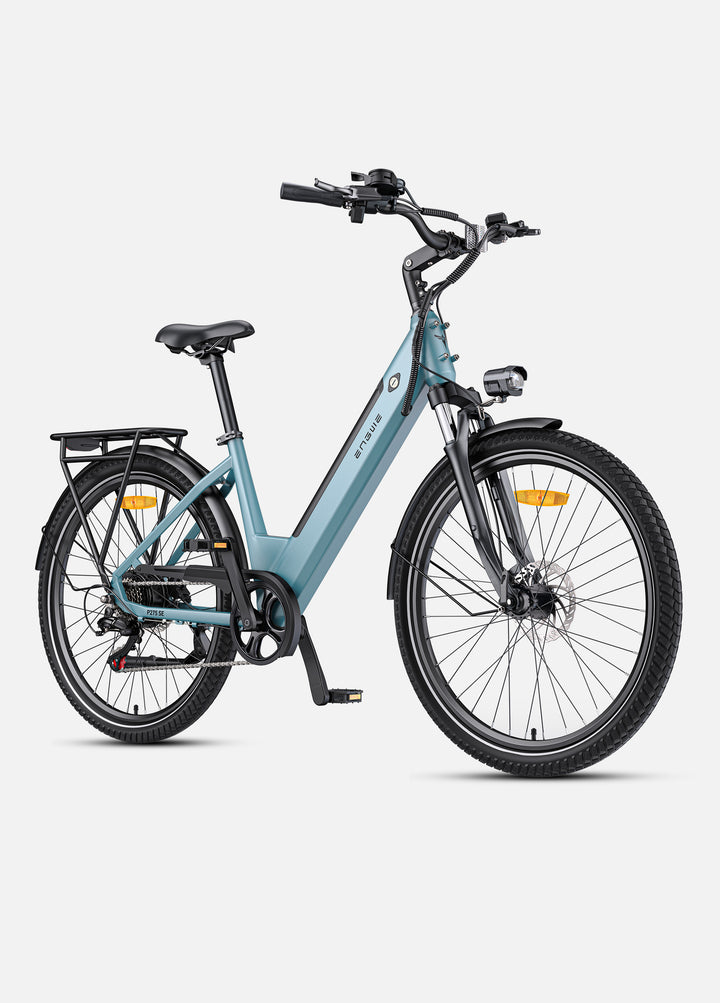
ENGWE P275 SE
The EENGWE P275 SE is a commuter model that comes with a standard post, which can be fitted with a suspension upgrade and torque sensor technology. This makes it a smooth, responsive ride for long trips or regular commuting.

Conclusion
So, are suspension bike seat posts a valuable upgrade? It depends on your riding style. Standard posts suit racers who want the lightest setup. For commuters, gravel riders, and e-bike users, suspension posts add cushioning, reduce strain, and enhance ride quality.
There are many choices available in the shockstop endurance suspension seatpost, up to the advanced hydraulic seat bike. Select depending on your area, your financial means and comfort. When you are too tired after road chatting, have hit a few potholes or are riding long distances, maybe a suspension seatpost is the upgrade that will transform your ride.
Frequently Asked Questions
Are suspension bike seat posts worth it?
Yes, for riders who value comfort. They absorb shocks, ease fatigue and cushion joints. This does not need to be required of race riders, but can be among the best upgrades of commuters and endurance riders.
Do suspension seatposts really help on gravel?
Yes. A suspension seatpost on the gravel bike minimises vibration every time the bike hits an uneven surface. This assists riders to be comfortable and endure during long rides on gravel.
What is the best suspension seatpost for electric bikes?
The most appropriate suspension seat post used in an electric bike would be the type that carries greater weight, has adjustable travel, and is able to support heavy frames. Find models that have a minimum of 40 mm of movement.
Do mountain bikes need suspension seatposts?
Not always. Numerous riders use droppers in place of suspension posts. But a bike suspension seatpost may be of use to a hardtail rider or those who value comfort over technical riding.
How long does a suspension saddle post last?
A suspension saddle post will last for years with regular care. Test springs, elastomers or pivots seasonally. Wipe the greasy moving parts and clean.