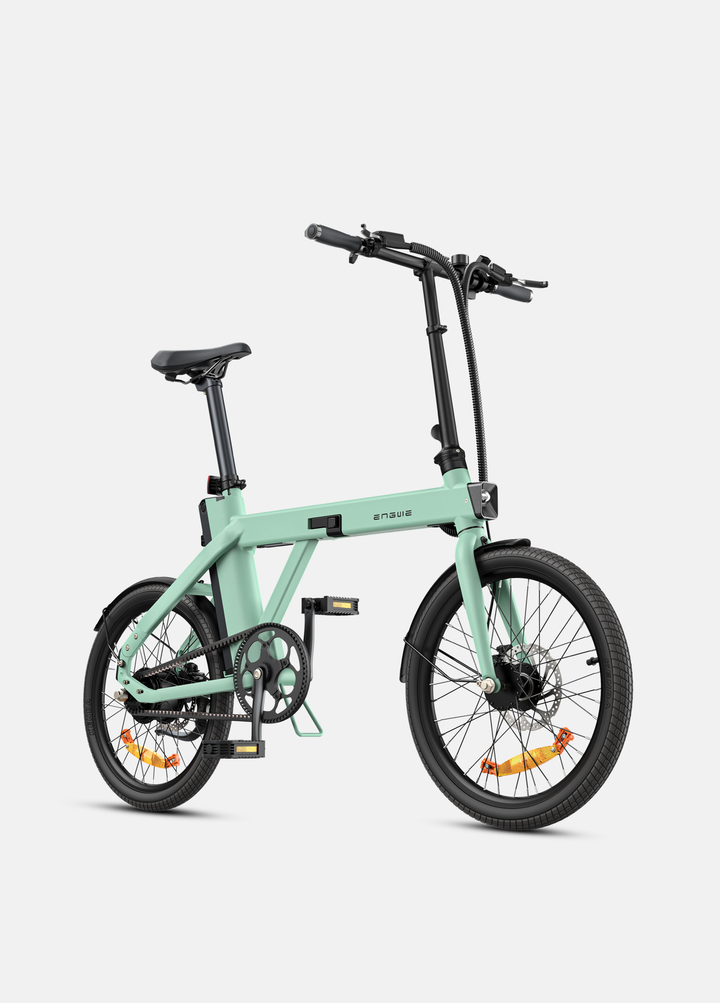
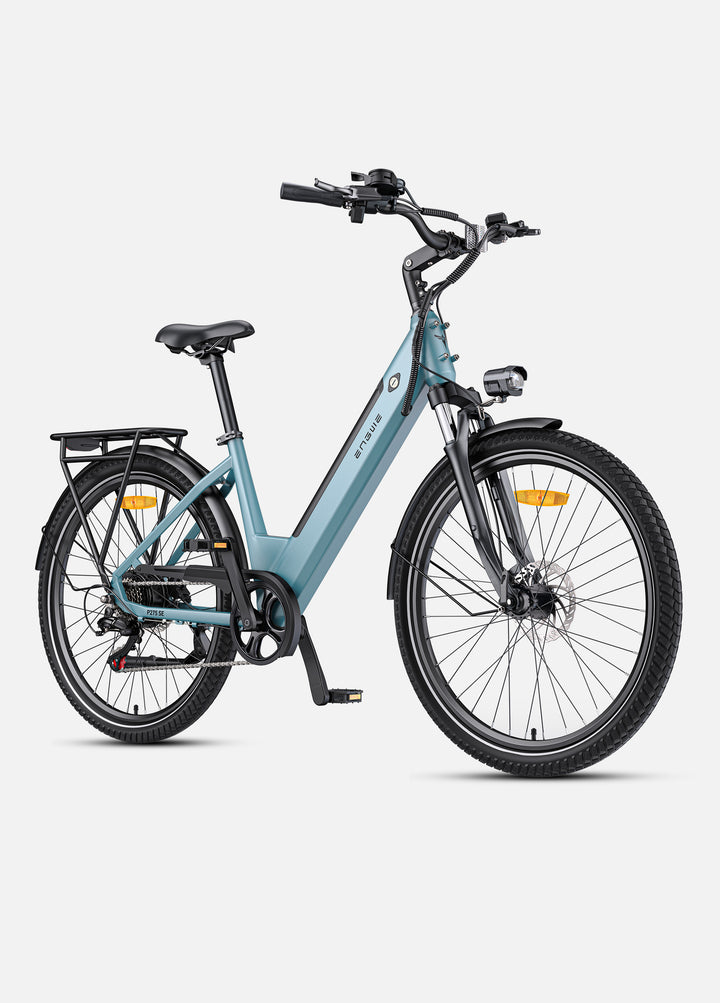
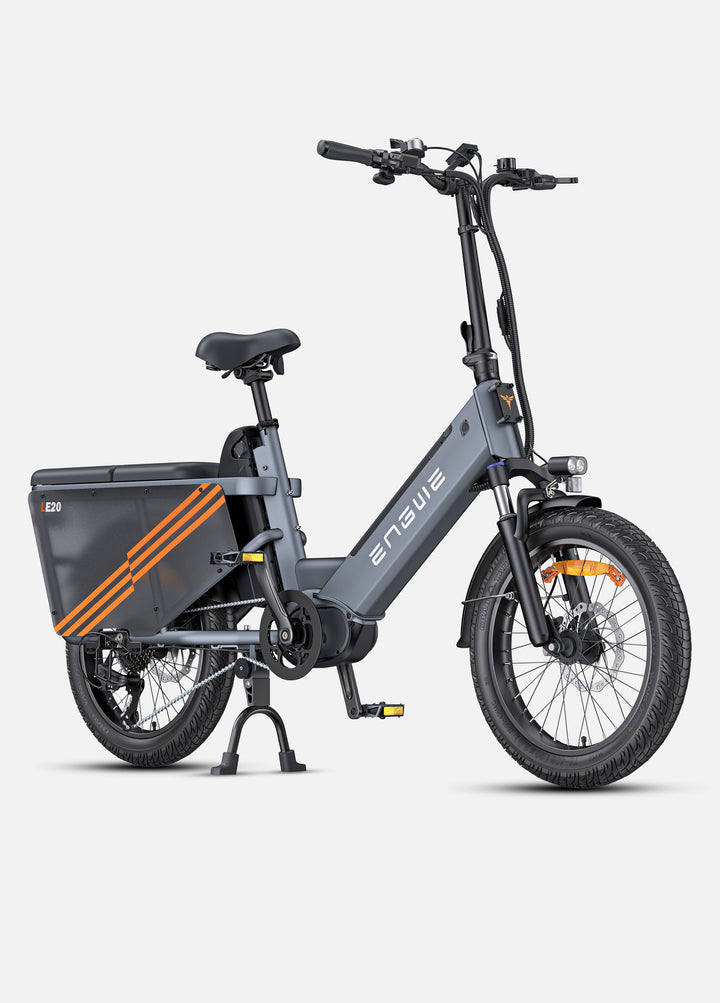
The decision of the appropriate bike cover will be based on whether you want to keep your bike cover over the saddle only or the whole body of the bicycle. Not all riders will require a complex bike seat cover.
Some of them will be more satisfied with a waterproof bike cover that is durable and can cover the whole body. This knowledge of how each of them functions assists you in choosing the appropriate arrangement to use in outdoor storage, transportation, or commuting to school or work.
This guide contrasts the two alternatives and describes a situation where a full cover of bike protection is required and where a seat cover suffices.

Bike Seat Cover: When Does It Make Sense?
A bike seat cover is used to cover the saddle against rain and sun damage, and general wear. It fits well with riders who leave their bike outdoors and make impromptu changes with the weather, or simply need greater comfort with a bike seat cushion cover.
Seat covers are lightweight, easy to put on and off, and are therefore practical, especially when commuting or running quick errands. They also make the seat not get cracked in case of being exposed to UV rays, and in order to ensure that moisture does not seep into the foam.
Best Uses for a Seat Cover
-
Riding to work every day, when the saddle is the only thing that gets revealed.
-
Soak and UV damage prevention.
-
Limiting the amount of wear on high-grade leather saddles.
-
Providing additional comfort on long rides.
Example Seat Cover for Bikes
ENGWE LE20 Guardrail Seat Cover - This product aims to offer the rider maximum protection of the saddle and gripping properties to ensure the rider does not slip. This bike seat cover for a bike is waterproof and comfortable.

Zacro Gel Bike Seat Cover
Use of a popular comfort-oriented version with gel padding to absorb the road vibrations and also make the saddle waterproof. Fits perfectly well with riders who require additional cushioning without substituting the whole seat.

Full Bike Cover: Complete Protection for Storage & Travel
The entire bike cover protects the bike against rain, dust, UV rays, and debris. This is necessary when you leave your bike outside or take it using a rack. The presence of a good-quality outdoor bicycle cover means that the frame, driving gear, wheels, and electronics are not exposed to the elements and will not be at risk of dampness or rust.
Electric models are particularly well covered by full covers. An electric bike cover, or e bike cover, protects battery ports, wiring, and motors, so that they are not exposed to the elements.
Best Uses for a Full Bike Cover
-
Outdoor bike cover.
-
Outdoor bike cover in winter.
-
Bike transport cover on vehicles or motor home racks.
-
Keeping bikes locked up in sheds or garages, or balconies.
-
Protecting parts against dust, polle,n and road filth.

Example: Full Waterproof Bike Cover
ENGWE Waterproof Bike Cover
A sturdy bike cover waterproof cover designed to use both as an outdoor storage and travel cover. It is an umbrella-type bike rain cover that covers downpour, dust, and UV rays. Professional and suitable in cases where a rider requires reliable coverage over time when they are outside.

Pro Bike Tool Outdoor Bicycle Cover
This cover is also tear-resistant and features a secure buckle system, which makes it a good fit in the storm season or in everyday outdoor storage or transportation. It covers both the standard and the e-bikes completely as well.

Bike Seat Cover vs. Full Bike Cover: Key Differences
The two products are designed to meet certain needs, though they vary in terms of coverage and objective.
|
Feature |
Bike Seat Cover |
Full Bike Cover |
|
Coverage |
Saddle only |
Entire bike (frame, wheels, drivetrain) |
|
Best For |
Daily commuting, quick trips |
Long-term storage, outdoor protection |
|
Weather Protection |
Light rain protection |
Full rain, dust, UV defense |
|
Convenience |
Lightweight and portable |
Additional installation and complete coverage. |
|
Ideal Users |
City commuters, amateur bikers. |
The owners of e-bikes, outdoor storage users. |
Types of Full Bicycle Covers
The bike can also be covered fully in various options, depending on the purpose of purchase. So, a full cover for a bike in variations.
-
Outdoor Bicycle Cover: A bike cover outdoor allotment covers against sun radiation, rain, and dust. The most popular one is used by individuals who leave a bike with a cover on a patio, balcony, or driveway.
-
Waterproof Bike cover: A waterproof bike cover from rain is mandatory in places where there are heavy storms. The material should be completely covered to be a complete bike rain cover or waterproof cover.
-
Bike Rack Bike Cover: Bike cover. The bike cover for a bike rack helps to cover the bike during transport. It eliminates the accumulation of dirt and debris on the road and protects the parts against wind and debris.
-
Special E-Bike Covers: An electric bike cover is a specific cover that covers battery ports, controllers, and wiring against moisture and dust. This prolongs the life of the e-bike parts and maintains the performance.

Additional Covering Options
Despite having a complete bike cover, a lot of riders still have additional protective materials on particular parts. These minor additions aid in the minimization of wear over time, avoid cosmetic damage, and improve performance in extreme conditions.
Bike Wheel Cover
Bike wheel covers protect the tires and the rim against dust, mud, and grime in case of storage or transportation. It will particularly work with riders who store the bike in the house and do not want to bring dirt into the house. Others also shield the rotors of the brakes by providing a kind of cover.

Top-Tube Wraps
The paint and frame finish is covered by top-tube wraps against scuffing by bags, locks, or bike racks. They are still useful to commuters who often attach frame bags or lean the bike against surfaces. The padding is used to avoid chips and abrasions over time.

Handlebar Covers
Handlebar covers protect grips, levers, and electronics against snow, rain, and harsh UV radiation. To keep the bike from cracking or fading, riders who keep their bikes outside or ride in cold winter seasons typically use them. They assist in keeping grips dry as well before riding.

When You Should Choose a Seat Cover Instead of a Full Bike Cover
A bike seat cover is a preferred option in situations where the rider wishes to have a fast and easy form of cover, but not a full frame cover. It fits bikes that are kept indoors or where the bike is covered, and only the saddle is in the open air. Daily commuting riders like the faster the seat cover can slide on and off, particularly when it is light rain, or there is a sudden change of weather.
It also provides some level of bike seat cushion cover comfort as it can prolong the life of the saddle, but does not add the bulk that a full cover does. Appropriate in instances where only the seat is wet after brief showers or when the bike is outside when it is not in use.

When a Full Bike Cover is the Better Option
A complete bike cycle cover will make more sense when the bikes spend much time outside or are at a place where they are likely to experience weather conditions that are not predictable. The entire frame, drive train, wheels, and other electronics are covered, which protects it much better than a saddle-only cover. Bikers who bring their bicycles or have them mounted on cars also enjoy the stability and protection of a bike cover outdoor design.
Best when you need to cover bike from rain frequently, when you have to move your bike in a car, or when you have to cover the electronic parts that are sensitive. Full cover is also more durable in the long term, as dust-laden situations or lack of sun cover protection make them more vulnerable.
Conclusion
A bike seat cover provides quick and lightweight protection on your bike saddle, whereas a full bike cover waterproof set gives you full protection against the weather, dust, as well as UV damage.
Full-body coverage will be of most use to the riders who leave their bikes outdoors or buy an electric model, whereas the commuter might prefer the simplicity of a seat-only solution. The right choice will keep your bicycle clean, dry, and all prepared to ride wherever you go.
Frequently Asked Questions
Do I need a full bike cover if my bike is stored outside?
Yes. The entire body of the bike is covered in a bike cover that shields your frame, driving machine, wheels, and other parts against rain, UV damage, dust, and corrosion. When you leave your bike outdoors during the day or overnight, a full cover is better than a seat-only version and will be useful in prolonging bike life.
Is a bike seat cover waterproof?
The majority of bike seat covers are not completely waterproof, but they are water-resistant. They are used to cover the saddle but not the rest of the bike during light rain and moisture. The full waterproof bike cover should be used by riders who require cover when travelling in severe storm conditions or when they require storing their bikes for a long time.
Can I use a bike cover during transport on a car rack?
No, but a transport-rated bike cover that will remain secured at highway speed. Normal covers can be flapping, tearing and closed. Transport covers are what shield the bike against the wind, debris, and road grime on the road.
Are bike covers safe for electric bikes?
Yes. With an electric bike cover, ports, wiring, motors, and battery mounts will be covered against moisture and dust. Full covers are more advantageous to e-bikes since the electronic parts are delicate to weather conditions in the long term. Make sure that the cover fits well and is not trapping heat.
How long does a bike cover last outdoors?
Bike covers of good quality normally remain 1-3 years under UV exposure and weather conditions, as well as the thickness of the material. Waterproof and UV-resistant coating prolongs life. During the extremely sunny or rainy weather, a cover should be replaced periodically so as to protect appropriately.