Buying a bike that fits your body is just as important as choosing the right type of bike. Many riders ask: what size road bike do I need? or what size push bike do I need for my child? The answer comes from learning how to measure bike size properly.
Whether you’re buying a classic cycle, a mountain bike, or an electric bike, sizing affects comfort, safety, and performance. A bike that’s too big is hard to control, while a bike that’s too small feels cramped and uncomfortable. This guide will explain step by step how to measure frames, wheels, kids’ bikes, and more.

Step 1: Measure the Bike Frame Size
The frame size is the first number you need when working out how to measure bike size. It shows how well the bike will fit your body. You don’t need special tools — just a flat wall and a tape measure.
- Stand the bike straight against a wall
- Find the bottom bracket, the part in the middle where both pedals connect
- Place the tape measure at the center of this point
- Measure straight up to the very top of the seat tube (the tube that holds the seat post)
The distance you see is the frame size.
- On road bikes, this is given in centimeters (usually 47–64 cm)
- On mountain bikes, the size is often listed in inches or with labels such as Small, Medium, or Large

If you are unsure how to measure for bike size frame, start by checking the seat tube length and then compare it with a bike frame size chart. For example, a rider around 175 cm tall usually fits a 54 cm road bike or an 18-inch mountain bike frame.
Bike Frame Size Chart by Rider Height
|
Rider Height (cm) |
Road Bike Frame (cm) |
Mountain Bike Frame (in) |
Hybrid/City Frame (in) |
|
150–160 |
47–49 |
14–15 |
14–15 |
|
160–170 |
50–52 |
16–17 |
16–17 |
|
170–175 |
53–54 |
17–18 |
17–18 |
|
175–180 |
55–56 |
18–19 |
18–19 |
|
180–185 |
57–58 |
19–20 |
19–20 |
|
185–190 |
59–60 |
20–21 |
20–21 |
|
190+ |
61–63 |
21–22 |
21–22 |
Step 2: Measure Bike Wheel Size
After checking the frame, the next step in how to measure bike size is the wheels. The wheel size matters for comfort, handling, and also when buying new tires or rims.
Here’s how to do it:
- Keep the bike upright on a flat surface
- Place a tape measure across the wheel, going from one edge of the tire to the other, straight through the center hub
-
The number you get is the wheel diameter, including the tire
For adults, common wheel sizes are 26”, 27.5”, and 29”. For children, wheels are smaller, usually 12” to 24”, and are used instead of frame sizes.
If you want to know how to measure the size of a bike wheel without the tire, remove the tire and measure the rim. This inside measurement is called the bead seat diameter (BSD), and it’s important if you’re asking how to measure bike rim size.
When buying replacement tires, also check the markings printed on the tire’s sidewall. This tells you the exact measurement, for example, 700x32c or 26x2.1. That’s the easiest way to confirm how to measure bike tire size correctly.
Common Bike Wheel Sizes
|
Rider Group |
Common Wheel Sizes |
Notes |
|
Toddlers (2–3 yrs) |
10–12” |
Balance bikes, flat-foot ground reach is key. |
|
Kids (4–7 yrs) |
14–18” |
First pedal bikes, often with training wheels. |
|
Kids (7–11 yrs) |
20–24” |
More control, some bikes add gears. |
|
Teens (11–14 yrs) |
24–26” |
Overlaps with adult small frames. |
|
Adults (general) |
26”, 27.5”, 29”, 700c |
Larger wheels roll smoother; 700c common in road bike tire sizes. |
Step 3: Measuring for Kids’ Bike Sizes
Parents often ask how to measure bike size for kid use, since children’s bikes follow different sizing rules. The process is different from adults because children’s bikes are chosen by wheel size. To get the right fit, start with two quick checks
- First, measure your child’s height while they stand straight against a wall
- Next, measure the inseam. Place a book between the legs, as if sitting on a saddle, and measure from the floor to the top of the book
Now compare both numbers with a kids’ bike size chart. For example, a child around 100 cm tall with a 40 cm inseam will fit a 14-inch wheel. An 8 year old bike size is usually 20 inches, but always check the chart and inseam for safety.
If you are asking what size push bike do I need for a toddler, make sure the lowest saddle height is equal to or slightly below the inseam. This allows them to sit on the seat with both feet flat on the ground, which builds confidence and keeps them safe while learning.
Step 4: Additional Bike Measurements
Measuring the frame and wheels gives you the basics, but a proper fit often requires a few extra checks. These smaller details make a big difference in how smooth and safe your rides feel.
Bike chain – When replacing a chain, always check the size. The easiest way is to count the number of links or measure the old chain in inches. The wrong chain length can cause poor shifting and make pedaling harder. This is why knowing how to measure bike chain size is important for upkeep.
Bike length for height – A quick formula can help. Multiply your inseam by 0.67 for road bikes or 0.64 for trekking bikes. This gives you a rough idea of frame length that matches your body size. Many riders use this method before checking a chart.
How to measure size of bike – Beyond frames and wheels, look at the overall shape. Measure the reach from the saddle to the handlebar and check standover clearance. These numbers confirm if the bike feels comfortable to sit on and easy to control.
How to measure a bike size – Once you’ve taken all your measurements, compare them with the bike details listed by the brand. Manufacturers often publish exact dimensions online, so you can double-check before buying.
Choosing a new bike is exciting, but getting the right size is crucial. The wrong fit not only affects comfort but can also be a safety hazard. Use this simple calculator below—just enter your height and inseam to get a quick estimate of the right frame size for you, making your choice easier.
Step 5: Match Your Measurements to a Chart
After collecting your numbers, the next step is to compare them with a sizing chart. These charts make it easier to turn inseam or height into the right bike fit.
- A bike frame size chart shows frame lengths in centimeters or inches and matches them with rider heights
- A bike size chart by height is even simpler for beginners. You just look up your height and see the suggested frame or wheel size
For example, if you are around 5’9” (175 cm), most riders feel comfortable on a road bike with a 54 cm frame. That answers the common question many people ask: what size road bike do I need?
If your height falls between two recommended sizes, the choice depends on how you plan to ride. A smaller frame usually feels more agile and easier to handle, while a larger frame offers a relaxed position that is better for long-distance rides.
Step 6: Ebikes and Sizing Considerations
Electric bikes need the same sizing checks as normal bicycles. Always measure rider height, inseam, and standover clearance before buying. Since ebikes are heavier and carry more power, getting the right fit is important for safety, balance, and control.
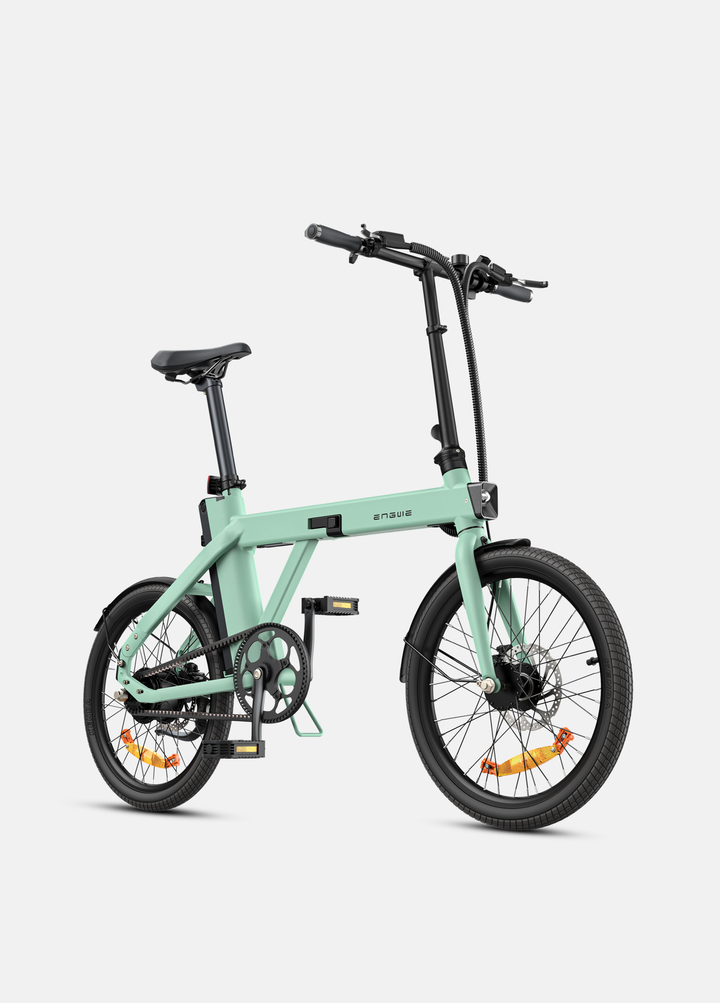
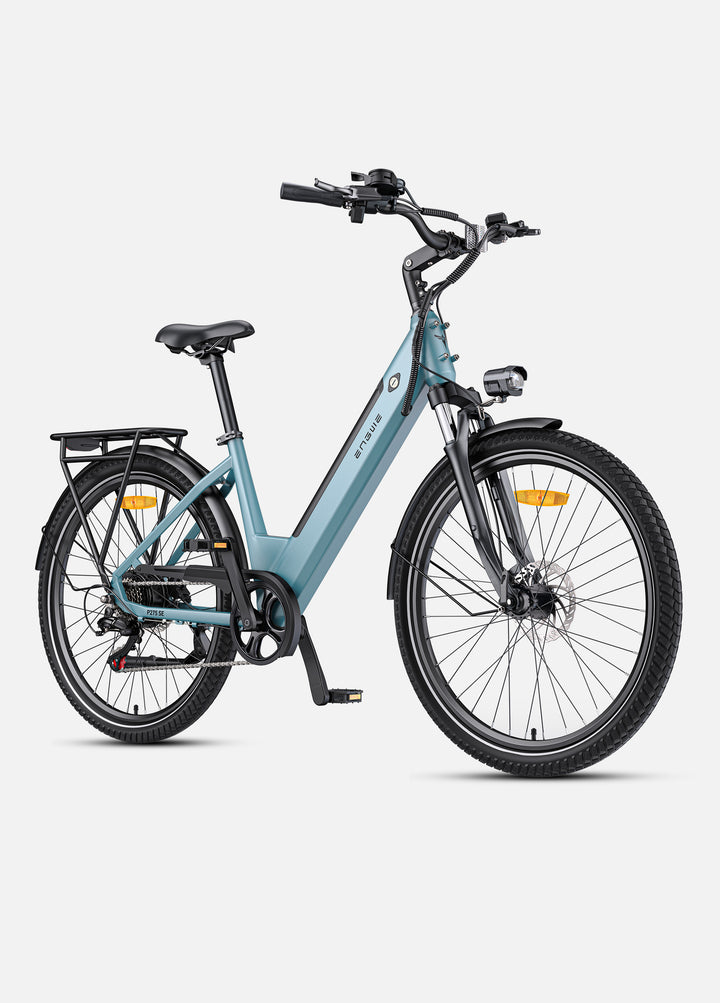
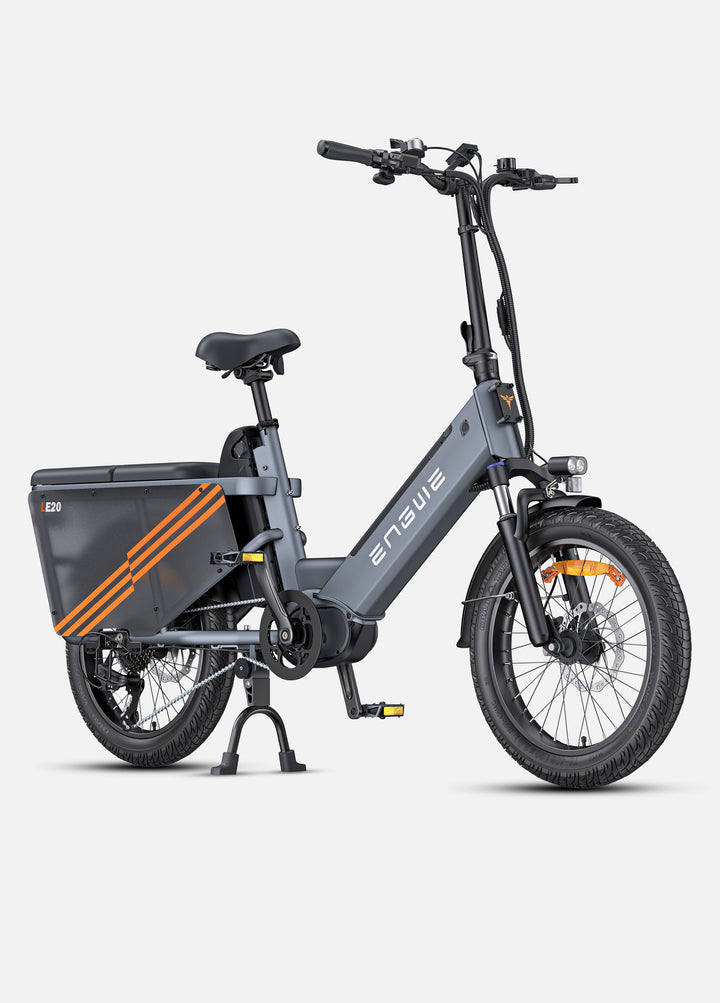
ENGWE ebike models list exact frame and fit information online, making it easier to pick the right size. Here are three options:
ENGWE EP-2 Boost – A folding fat-tire engwe electric bike with 26-inch wheels. It folds down small for storage but rides stable on the road. Suitable for riders between 5'4" and 6'2".

ENGWE L20 – A step-through fat bike designed for everyday use. Its lower frame makes mounting and dismounting easy. Works best for riders 5'0" to 6'0" who want comfort and long range.

ENGWE P20 – A lightweight folding city bike with a belt drive system. Fits riders 5'0" to 6'2". Its compact fold makes it perfect for small apartments, car trunks, or office storage.

When buying an ENGWE ebike, always compare your measurements with the brand’s listed chart. This way, you’ll know the model will fit your body size and riding needs before you order.
Common Mistakes to Avoid
Many riders end up with the wrong bike because of small but costly mistakes. Here are the most common ones:
- Looking only at wheel size – Wheel diameter alone does not decide fit. The frame measurement and rider’s body size are more important.
- Skipping the inseam check – Both adults and kids need inseam measurements. Height alone is not enough to find the correct size.
- Ignoring reach and standover – A bike should let you reach the bars with relaxed arms and stand over the top tube with clearance.
- Sizing kids like adults – Children’s bikes are chosen by wheel size, while adult bikes use frame charts. Mixing the two leads to poor fit.
By avoiding these mistakes and checking a bike frame size chart or a bike size chart by height, you can save money, improve comfort, and make every ride safer.
Final Thoughts
Measuring a bike correctly takes only a few steps but prevents costly mistakes. Checking frame size, wheel size, and inseam ensures both comfort and safety. For kids, focus on wheel diameter; for adults, rely on a bike frame size chart.
If you’re considering an ENGWE ebike, compare your height and inseam with the listed ranges before ordering. The right fit ensures smoother handling, better posture, and greater confidence on every ride.
Frequently Asked Questions
How can I tell what size my bike is?
How can I tell what size my bike is?
Measure from the bottom bracket’s center to the top of the seat tube. That number is the frame size. Compare it with a bike frame size chart to confirm the right fit.
What does 20 inch bike mean?
What does 20 inch bike mean?
A 20-inch bike means the wheels are 20 inches across. This size usually fits children 7–9 years old or around 125–140 cm tall. Always confirm with a kids bike size chart by height and inseam.
How is a 16 inch bike measured?
How is a 16 inch bike measured?
A 16-inch bike is measured by wheel diameter. This size is often for kids 4–5 years old or 105–120 cm tall. Check a bike size chart kids to confirm a safe and comfortable fit.
How to measure kids for bike size?
How to measure kids for bike size?
Measure height against a wall, then measure inseam with a book between legs, floor to crotch. Use both numbers with a bike size chart for kids to find the right wheel size.