Finding the right bike frame size is one of the most important steps when buying a new bicycle. A frame that fits your body will make riding more comfortable, reduce the chance of injury, and help you get the best performance on every ride.
Many riders today use a bike frame size calculator or cycle size calculator before buying. These tools give a quick estimate of the correct frame size by using height and inseam measurements.
Whether you ride a road bike, mountain bike, trekking bike, or an ENGWE electric bike, the sizing rules are the same. In this guide, you’ll learn how bicycle frame size calculator tools work, how to measure your body correctly, and how to read a cycle frame size chart.

Why Bike Frame Size Matters
The frame is the backbone of your bike. If it’s too small or too big, your body will not sit in the right position. This can cause back pain, knee pain, and even long-term injuries.
A correct frame size also makes pedaling more efficient. Your legs will extend at the right angle, and your arms will rest comfortably on the handlebars. This balance improves speed, control, and energy use.
Choosing the wrong frame based only on wheel size is one of the most common mistakes. The frame, not the wheel, decides how the bike fits your body. That’s why a cycle size calculator and bike dimension calculator are so useful.
What Is Bike Frame Size?
Bike frame size is usually the length of the seat tube, measured from the center of the bottom bracket (where the crank is attached) up to the top of the seat tube.
For road bikes, frame sizes are given in centimeters. For mountain and trekking bikes, manufacturers often use inches or a general label like Small, Medium, or Large.
Frame size is not the same as wheel size. Two bikes with the same 26-inch or 29-inch wheels can have completely different frame sizes. The mtb frame size guide, mountain bike size chart, and trekking bike frame size charts are better ways to judge fit.

How to Measure Bike Frame Size
Measuring a bike frame is not hard. You can do it at home with just a tape measure.
If you already own a bike:
- Look for the bottom bracket. This is the round part where the pedals and crank arms join.
- Place the tape measure at the middle of this bracket.
- Measure straight up to the very top of the seat tube. The number you get is your bike frame size.
If you are checking your body for a new bike:
- Inseam length: Stand with your back against a wall, feet a little apart. Place a book between your legs like you are sitting on a seat. Measure from the floor up to the top edge of the book.
- Standover height: Stand over the bike with both feet flat. Check the space between the top bar and your body. Road bikes need at least 1–2 inches, mountain bikes need 2–3 inches.
- Reach: Sit on the saddle and see how far your arms go to hold the handlebar. Your arms should bend a little. If they are fully straight, the frame is too long.
These checks work for men, women, and kids. If you don’t want to measure by hand, you can also try a bike length calculator, bicycle length calculator, or bike size estimator online.
Choosing a new bike is exciting, but getting the right size is crucial. The wrong fit not only affects comfort but can also be a safety hazard. Use this simple calculator below—just enter your height and inseam to get a quick estimate of the right frame size for you, making your choice easier.
Bike Frame Size Calculator: How It Works
A bike frame size calculator is a simple tool that helps you find the right frame by using your height and inseam length. These two numbers give a good picture of how your body will fit on a bike.
For example:
- A rider who is 175 cm tall with an inseam of 80 cm will often need a 54 cm road bike frame.
- The same rider would usually fit a Medium (18-inch) mountain bike frame.
Sometimes the result shows that you are between two sizes. In that case, think about how you plan to ride:
- Pick the smaller frame if you like quick handling and a sportier feel.
- Pick the larger frame if you want more comfort, smoother posture, or plan long rides.
This is why many people check a bicycle frame size calculator or bike size estimator before buying. It gives them a clear starting point, so they don’t waste money on a frame that feels wrong.

Road Bike Frame Size Guide
When it comes to road bikes, getting the right bike frame size is very important. These bikes have a taller seat tube and longer frame than city or trekking bikes. This design makes them fast and sporty, but it also means the fit has to be correct for comfort.
Frame sizes for road bikes are always measured in centimeters. Most brands offer frames between 47 cm and 64 cm, and a bike frame size calculator or bicycle frame size calculator can quickly show you where you fit.
Here’s a simple cycle frame size chart for road bikes:
|
Rider Height |
Frame Size (cm) |
|
155–160 cm |
47–49 cm |
|
160–165 cm |
49–51 cm |
|
165–170 cm |
51–53 cm |
|
170–175 cm |
53–55 cm |
|
175–180 cm |
55–57 cm |
|
180–185 cm |
57–60 cm |
|
185–190 cm |
60–62 cm |
|
190–195 cm |
62–64 cm |
|
195+ cm |
64+ cm |
Mountain Bike Frame Size Guide
Mountain bikes are built a little different from road or trekking bikes. The seat tube is shorter, which makes the riding position more relaxed and easier to handle on rough trails. The right mountain bike frame size depends mostly on your height and inseam, but also on how much standover clearance you have.
Here’s an mtb frame size guide using both centimeters (like most European brands) and inches with size labels (Small, Medium, Large, etc.):
|
Rider Height |
Frame Size (cm) |
Frame Size (inches) |
Size Label |
|
150–155 cm |
33–36 cm |
13–14” |
Small |
|
155–160 cm |
35–38 cm |
14–15” |
Small |
|
160–165 cm |
38–40 cm |
15–16” |
Medium |
|
165–170 cm |
40–43 cm |
16–17” |
Medium |
|
170–175 cm |
42–45 cm |
17–18” |
Large |
|
175–180 cm |
44–47 cm |
18–19” |
Large |
|
180–185 cm |
46–49 cm |
19–20” |
XL |
|
185–190 cm |
49–52 cm |
20–21” |
XL |
|
190–195 cm |
51–56 cm |
21–22” |
XXL |
|
195+ cm |
56 cm+ |
22–23” |
XXL |
Modern MTBs use 26”, 27.5”, or 29” wheels. Wheel size changes how the bike rolls; fit depends on the frame size, not the wheels. That’s why the mountain bike size chart or a frame size calculator is more reliable than only looking at wheel diameter.
If you are between two frame sizes:
- A smaller size feels more sporty and playful.
- A larger size feels more stable and smoother on longer rides.
You can also double-check your fit with a bike size estimator, bike length calculator, or bike dimension calculator.
Trekking Bike Frame Size Guide
Trekking bikes are built for daily commuting, touring, and longer rides. The frame is similar to a road bike, but the bottom bracket sits a little lower, which makes the bike more stable and comfortable over distance.
Here is a trekking bike size chart to guide you:
|
Rider Height |
Trekking Bike Frame Size (cm) |
|
150–160 cm |
42–47 cm |
|
160–170 cm |
47–52 cm |
|
170–175 cm |
52–54 cm |
|
175–180 cm |
54–56 cm |
|
180–185 cm |
56–58 cm |
|
185–190 cm |
58–60 cm |
|
190–195 cm |
60–63 cm |
|
195+ cm |
63+ cm |
If you fall between two sizes:
- Choose the smaller frame for a sporty feel and quick handling in city traffic.
- Choose the larger frame if you prefer relaxed posture and smoother rides on tours.
You can also compare brand-specific charts, such as a trek bike size chart, for extra precision. Online tools like a frame size calculator, bike size estimator, or cycle frame size chart are useful for quick checks.
Popular Ebikes & Frame Sizing
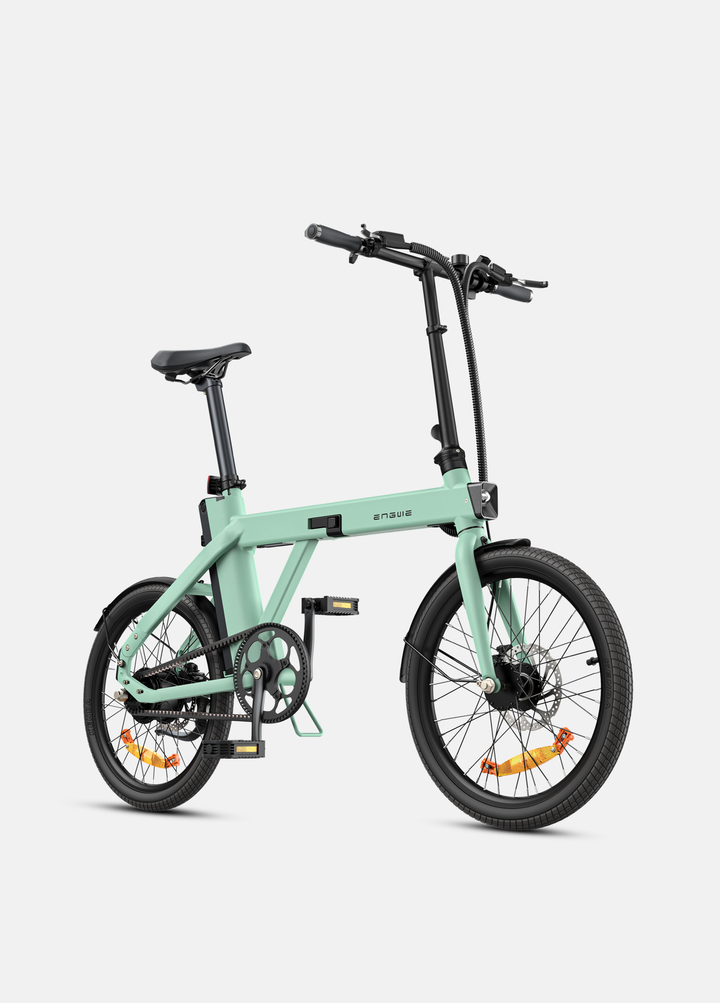
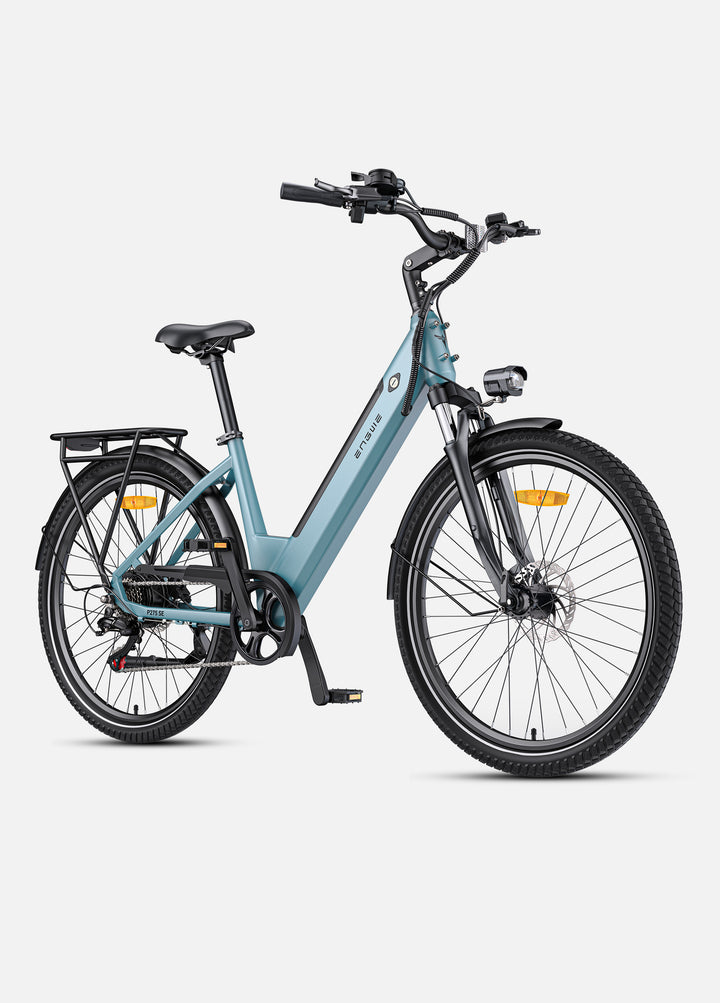
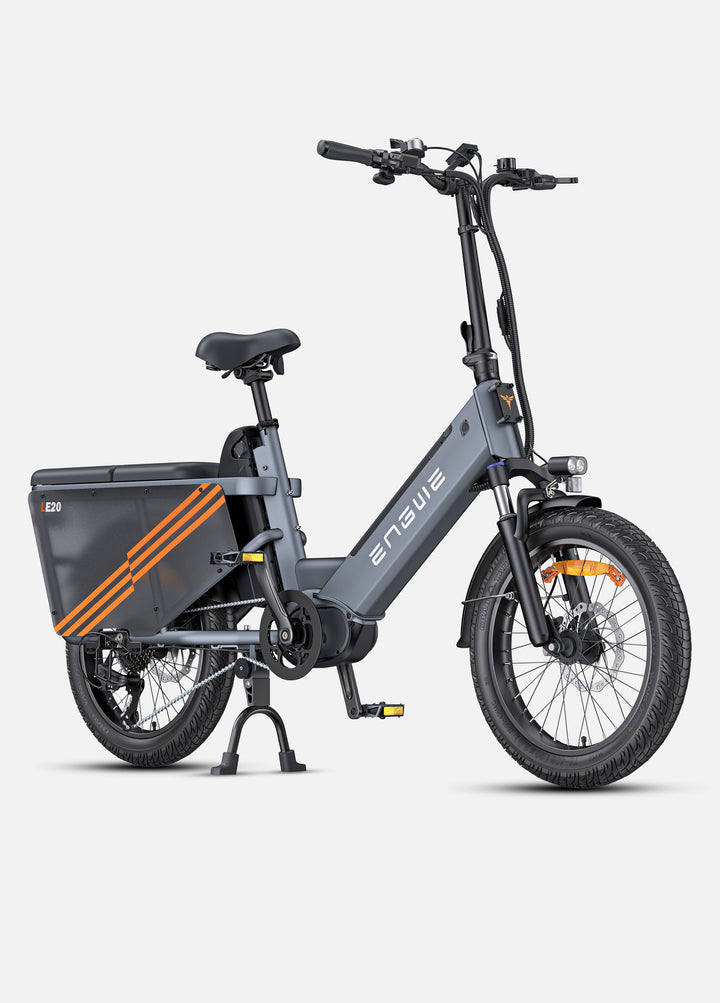
ENGWE ebikes follow the same fit rules as normal bikes, but each model has its own frame size and height range. Here are four popular options:
ENGWE M20 Ebike
Compact frame, good for city riders. Fits heights 5.2 ft – 6.2 ft, with a standover height of 76.2 cm and a minimum saddle height of 84 cm. The ENGWE M20 model is light to handle and works best for short trips and urban roads.

ENGWE E26 Electric Bike
Built like a trekking bike frame size, ideal for long commutes. Fits 5.6 ft – 6.5 ft riders, with 26-inch wheels and a saddle height range of 90–102 cm. The ENGWE E26 larger frame gives stability, making it a strong choice for touring or daily work rides.

ENGWE EP-2 Pro Electric Bike
Folding fat-tire design. Covers 5.4 ft – 6.2 ft riders, with adjustable saddle height (86–102 cm) and a compact folded size of 99 × 55 × 76 cm. The ENGWE EP-2 Pro foldable frame makes it easy to carry in cars, small flats, or even on public transport.

ENGWE Engine Pro Folding Ebike
Suspension frame for both city and off-road. Fits 5.4 ft – 6.2 ft, with saddle height 86–102 cm and a folded size of 104 × 55 × 84 cm. The ENGWE Engine Pro 2.0 suspension design absorbs bumps, giving comfort on rough tracks and smooth city streets.
By checking a bike size estimator or a bicycle frame size calculator, you can be sure your ENGWE electric bike will match your body size for comfort and control.

Common Mistakes in Choosing Bike Frame Size
Finding the right bike frame size is not always easy, and many riders end up with the wrong fit because of small but costly mistakes. Here are some errors you should look out for:
Skipping the inseam check
Your inseam tells more about fit than height alone. Without measuring it, you might buy a frame that feels awkward, too tall to stand over, or too small when pedaling. Taking this step makes any bike frame size calculator result much closer to reality.
Trusting wheel size instead of frame size
A 26-inch or 29-inch wheel doesn’t guarantee the bike will fit you. Wheels decide how the bike rolls, not how your body sits on it. The true fit comes from the frame, which is why a cycle frame size chart is a better guide.
Ignoring your body build
Two riders at the same height may not need the same frame. Someone with longer arms may need more reach, while a rider with shorter legs may need a smaller frame. Not thinking about this can lead to sore knees, back pain, or tired shoulders.
Avoiding tools and test rides
Many people skip easy tools like a cycle size calculator or bicycle frame size calculator online. Others don’t test the bike before buying. Both steps are simple, but can prevent spending money on the wrong frame.
A bike that doesn’t fit can cause discomfort, injuries, and wasted cash. To avoid this, always measure your inseam, compare it with a cycle frame size chart, and, if possible, test ride before you decide.

Final Thoughts
The right bike frame size makes every ride smoother, safer, and more enjoyable. Taking a few minutes to measure your inseam and comparing it with a cycle frame size chart or a bike frame size calculator can save you from costly mistakes.
Each type of bike, road, mountain, trekking, or ENGWE ebike, has its own geometry, but the rule is the same: the frame must fit your body. A proper fit means less strain, better control, and more confidence on the road or trail.
Frequently Asked Questions
How do I know what bike frame size I need?
Measure your height and inseam, then compare with a cycle frame size chart. A bike frame size calculator or a quick test ride helps confirm the correct fit for comfort and safe riding.
Is a bike frame size calculator accurate?
Yes, a bike frame size calculator gives a good starting size by using inseam and height. For better accuracy, check the results with a cycle frame size chart and, if possible, test the bike in person.
What happens if I choose the wrong bike frame size?
A wrong bike frame size can cause knee pain, back strain, or poor balance. Too small feels cramped, too large feels unstable. A bicycle frame size calculator or cycle size calculator helps avoid these issues.
What’s the difference between frame size and wheel size?
Frame size measures the bike’s seat tube and decides how your body fits. Wheel size only changes rolling performance. Always trust a frame size calculator or cycle frame size chart when picking the correct fit.